 EN
 AR
 BG
 HR
 CS
 DA
 NL
 FI
 FR
 DE
 EL
 HI
 IT
 JA
 KO
 NO
 PL
 PT
 RO
 RU
 ES
 SV
 ID
 LV
 LT
 SR
 SK
 SL
 UK
 VI
 SQ
 ET
 HU
 TH
 TR
 MS
 HY
 HA
 LO
 MY
Flat plate collectors are essential components in renewable energy systems, specifically designed for harnessing solar energy to heat water. As a B2B buyer, understanding the nuances of flat plate collectors is crucial for making informed purchasing decisions. This article addresses key considerations such as product specifications, material advantages, and applications in commercial settings, helping you navigate the complexities of selecting the right flat plate collector for your projects.


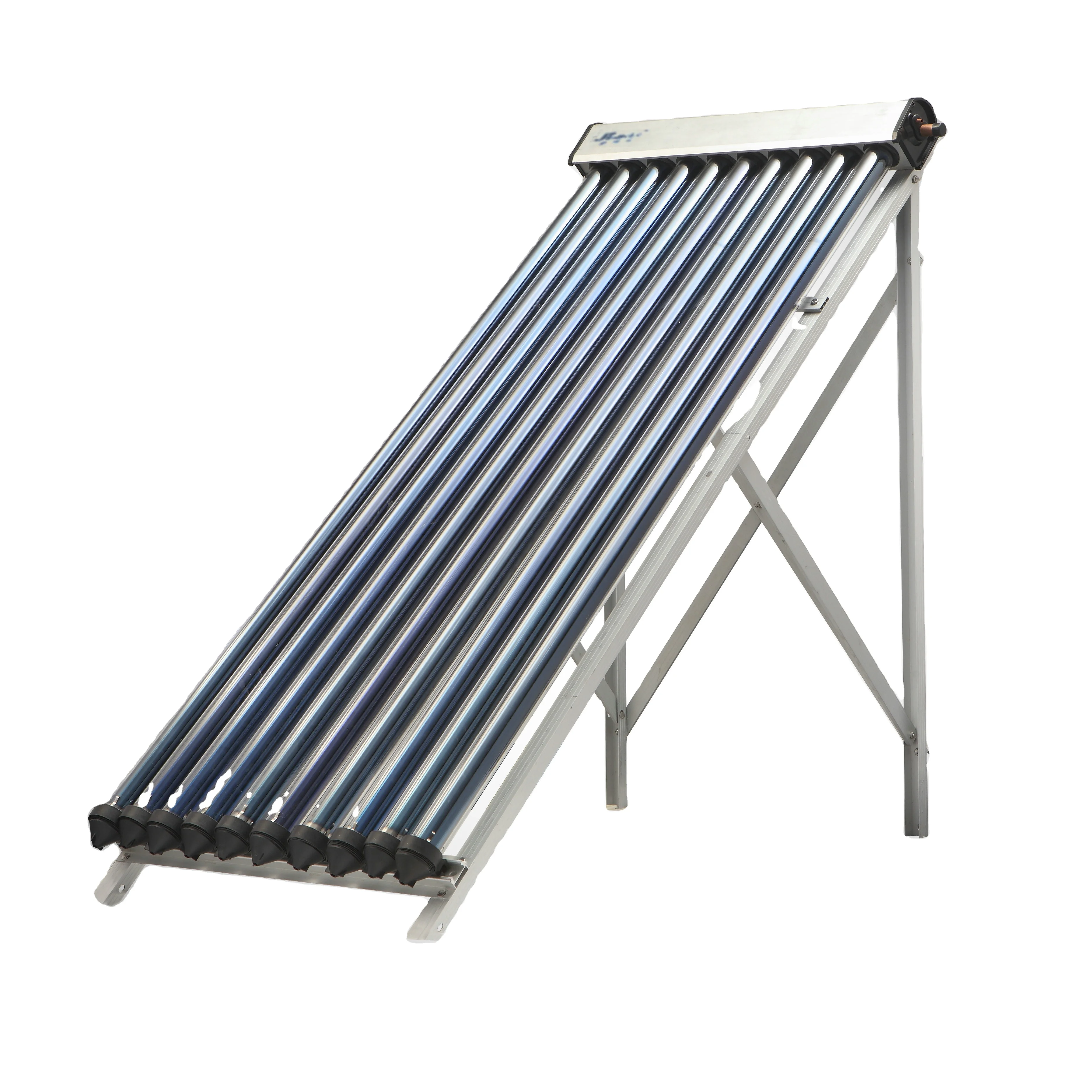
Key Specifications of High-Quality Flat Plate Collectors Explained
When evaluating flat plate collectors, several key specifications should be prioritized: Absorber Plate Material: The absorber plate material, typically made of copper or aluminum, should have a selective coating that maximizes absorption while minimizing heat loss. Copper is known for its excellent thermal efficiency conductivity, while aluminum offers a lighter alternative. Insulation Quality: High-quality insulation quality minimizes heat loss. Look for collectors with thick, durable insulation quality materials, such as polyurethane foam, to ensure thermal efficiency in colder climates. Sealing and Frame Construction: A robust sealing system protects the collector from moisture and environmental damage. Ensure that the frame is constructed from corrosion-resistant materials, such as aluminum or galvanized steel, to enhance durability. Pressure Rating: Depending on the application, collectors may need to withstand varying pressure levels. Check the manufacturer’s specifications for pressure ratings to ensure they meet your system's requirements. Understanding these specifications allows you to evaluate how well a solar collector will meet your energy needs.