 EN
 AR
 BG
 HR
 CS
 DA
 NL
 FI
 FR
 DE
 EL
 HI
 IT
 JA
 KO
 NO
 PL
 PT
 RO
 RU
 ES
 SV
 ID
 LV
 LT
 SR
 SK
 SL
 UK
 VI
 SQ
 ET
 HU
 TH
 TR
 MS
 HY
 HA
 LO
 MY
Hot water recirculating pumps for water tank heaters are essential devices that enhance the efficiency of hot water delivery in residential and commercial settings. These systems ensure that hot water is readily available at the tap, reducing wait times and conserving water. For B2B buyers, key concerns include cost-effectiveness, installation guidance requirements, and reliability. This article aims to provide a comprehensive understanding of hot water recirculating pumps, addressing cost factors, installation guidance, common problems issues, feature comparisons, and tips for wholesale purchasing tips.
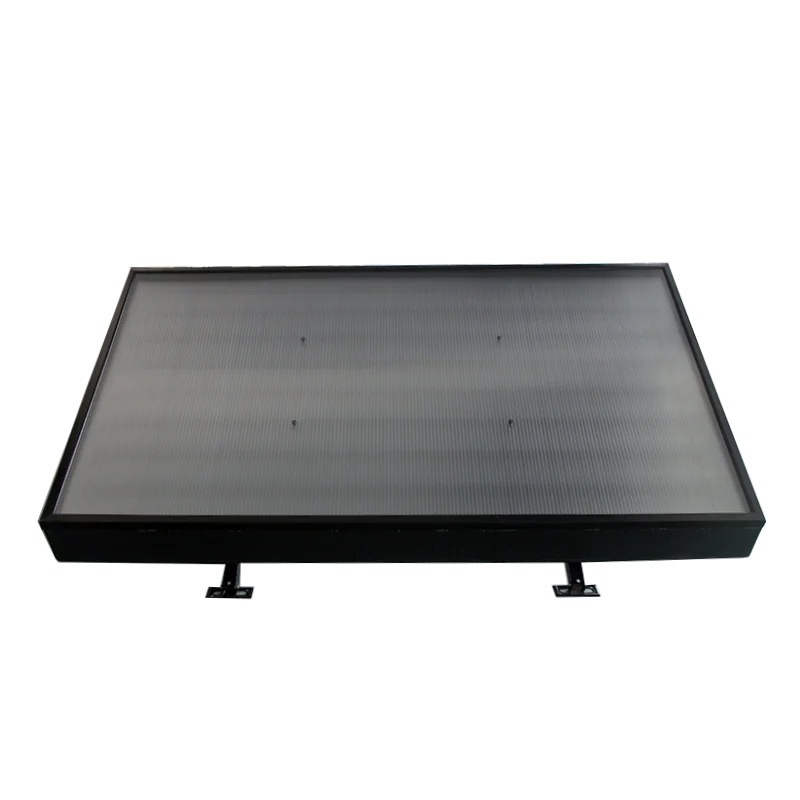
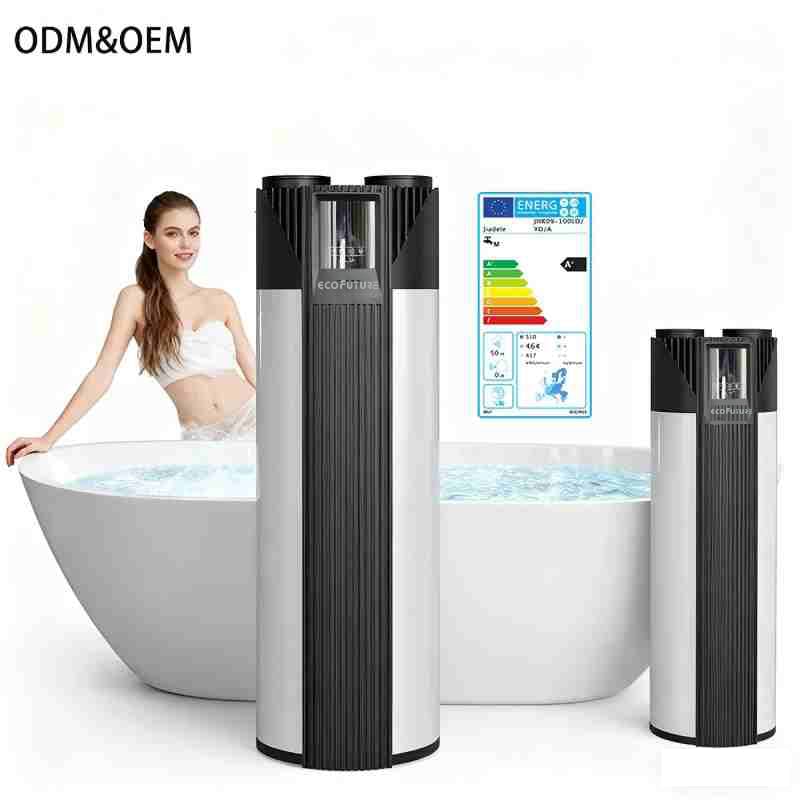
Installation Guidance for Hot Water Recirculating Pumps in Projects
Installing hot water recirculating pumps requires careful planning to ensure optimal performance. The primary goal is to create a closed-loop system that allows for instant hot water delivery. For successful installation guidance, consider the following guidelines: Location: Position the pump near the water heater to minimize heat loss in the piping. The ideal setup involves connecting the recirculating pump to the hot water supply line. Pipe Configuration: Ensure that the plumbing system is configured to allow for a proper return path. This typically involves connecting the pump to the furthest faucet, allowing the water to flow back to the heater through a dedicated return line. Electrical Requirements: Verify the electrical specifications of the pump, ensuring compatibility with the existing electrical system. Proper grounding and adherence to local electrical codes are crucial for safety and functionality. Insulation: Insulating hot water pipes can significantly improve system efficiency by reducing heat loss.