
 EN
 AR
 BG
 HR
 CS
 DA
 NL
 FI
 FR
 DE
 EL
 HI
 IT
 JA
 KO
 NO
 PL
 PT
 RO
 RU
 ES
 SV
 ID
 LV
 LT
 SR
 SK
 SL
 UK
 VI
 SQ
 ET
 HU
 TH
 TR
 MS
 HY
 HA
 LO
 MY

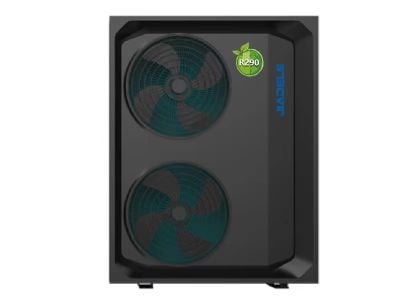
Choosing the right heat pump is crucial for B2B buyers seeking efficient and reliable energy solutions. The Top 5 Heat Pump Efficiency Features for B2B Buyers delve into important aspects that can significantly affect performance and cost-effectiveness. This article will guide purchasing managers, engineers, and product managers through key considerations to ensure optimal decision-making when sourcing heat pumps.
What to Consider When Choosing Heat Pump Efficiency Features?
When evaluating heat pumps, several efficiency features should be prioritized. The Coefficient of Performance (COP) is a vital metric, indicating the ratio of heating output to energy consumed. A higher COP means better efficiency, which directly impacts operational costs. Additionally, Seasonal Energy Efficiency Ratio (SEER) and Heating Seasonal Performance Factor (HSPF) provide insights into a unit's performance over an entire season rather than just during peak conditions. These ratings help buyers understand how well a heat pump will perform in varying environmental conditions. Another critical aspect is the heat pump's design and technology, such as inverter technology, which allows for variable speed operation. This adaptability improves efficiency by adjusting the compressor speed based on the heating demand, leading to energy savings. Furthermore, consider the refrigerants used in the heat pump. Modern systems often utilize environmentally friendly refrigerants that comply with regulatory standards and improve efficiency. Lastly, buyers should not overlook the importance of proper sizing and installation. An incorrectly sized air and water heat pump can lead to inefficiencies and increased operational costs. Collaborating with experienced installers can ensure that the unit is optimized for the specific application.
How Quality Control Impacts Heat Pump Efficiency Performance?
Quality control is paramount in manufacturing heat pumps, as it directly influences efficiency and reliability. At Zhejiang Jiadele Technology Co., Ltd., rigorous quality control processes are implemented at every production stage, from raw material selection to final assembly. This includes thorough testing of components and completed units to ensure they meet international certifications such as CE and RoHS. Moreover, effective quality control helps identify common issues that could compromise efficiency, such as leaks in the refrigerant system or improper insulation. Regular inspection and testing can mitigate these problems, ensuring that the air source heat pump heating maintain optimal performance throughout their lifespan. Buyers should inquire about the quality control standards of potential suppliers, as this will impact the long-term operational costs and reliability of the heat pumps.
Where to Source Reliable Heat Pump Suppliers for Bulk Orders?
Finding reliable suppliers is critical for B2B buyers looking to place bulk orders for heat pumps. Start by researching manufacturers with proven track records, such as Zhejiang Jiadele Technology Co., Ltd., which offers a comprehensive range of over 120 models. Look for suppliers that hold relevant certifications, as this indicates adherence to quality standards. Networking within industry trade shows and forums can also yield valuable contacts. Additionally, consider supplier reviews and testimonials from other businesses to gauge their reliability and service levels. For bulk orders, it's essential to discuss minimum order quantities (MOQs), lead times, and customization options to ensure that the supplier can meet your requirements without compromising on quality or efficiency.
Common Problems with Heat Pump Efficiency and Their Solutions
Despite advancements in heat pump technology, several common efficiency problems can arise. One issue is the accumulation of dirt and debris on the unit's coils, which can hinder heat exchange and reduce performance. Regular maintenance, including cleaning the coils and filters, can help maintain efficiency. Another problem is inadequate insulation in the building where the heat pump is installed. Poor insulation can lead to heat loss, forcing the system to work harder than necessary. Conducting an energy audit can identify areas for improvement. Additionally, improper installation can lead to inefficiencies. It’s crucial that the air to water heat pump is installed according to the manufacturer's specifications, which may involve checking airflow, refrigerant levels, and electrical connections. Buyers should ensure that their chosen supplier provides installation support and guidance to avoid these pitfalls.
Installation Guidance for Maximizing Heat Pump Efficiency
Proper installation is crucial for achieving maximum efficiency from heat pumps. First, ensure that the unit is placed in a suitable location with adequate airflow and minimal obstructions. The outdoor unit should be positioned in a way that allows for free air circulation, while the indoor unit should be located strategically to optimize heat distribution. Second, ensure that the installation adheres to the manufacturer’s guidelines regarding electrical connections, refrigerant charge, and ductwork, if applicable. Incorrect installation can lead to inefficiencies and increased wear and tear on the unit. Lastly, after installation, it’s beneficial to conduct a system check to ensure everything is operating as expected. This includes verifying that the thermostat is calibrated correctly and that the system is responding appropriately to temperature changes. Regular maintenance checks are also recommended to keep the system running efficiently over time. By understanding these key aspects of heat pump efficiency features, B2B buyers can make informed decisions that enhance operational efficiency and cost-effectiveness in their heating solutions.
Table of Contents
- What to Consider When Choosing Heat Pump Efficiency Features?
- How Quality Control Impacts Heat Pump Efficiency Performance?
- Where to Source Reliable Heat Pump Suppliers for Bulk Orders?
- Common Problems with Heat Pump Efficiency and Their Solutions
- Installation Guidance for Maximizing Heat Pump Efficiency