 EN
 AR
 BG
 HR
 CS
 DA
 NL
 FI
 FR
 DE
 EL
 HI
 IT
 JA
 KO
 NO
 PL
 PT
 RO
 RU
 ES
 SV
 ID
 LV
 LT
 SR
 SK
 SL
 UK
 VI
 SQ
 ET
 HU
 TH
 TR
 MS
 HY
 HA
 LO
 MY
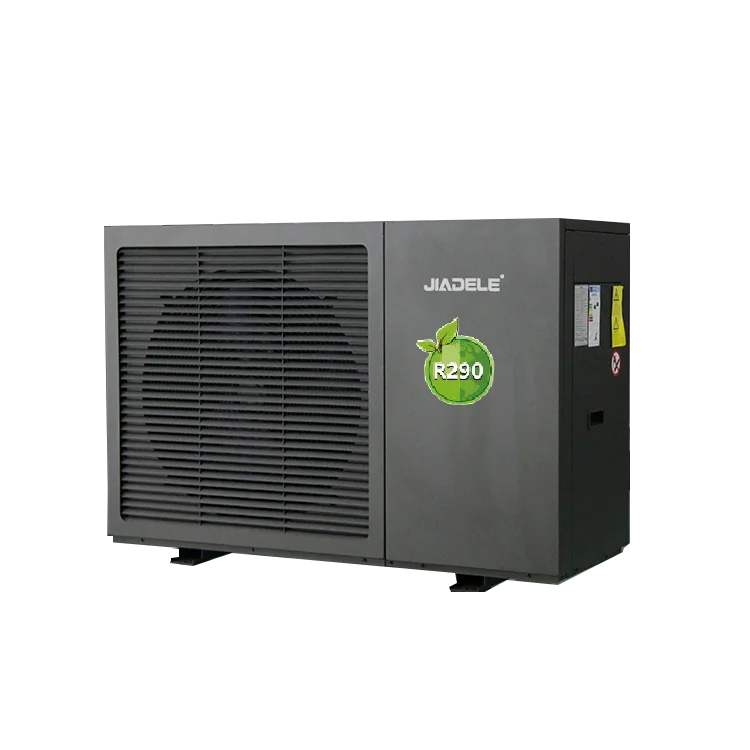
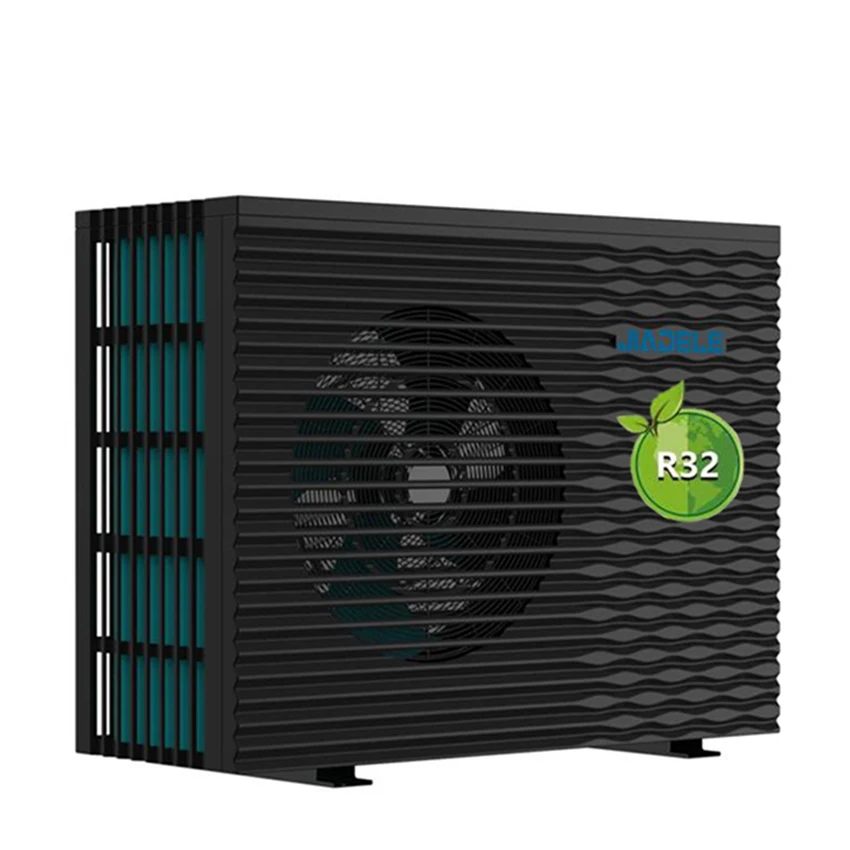
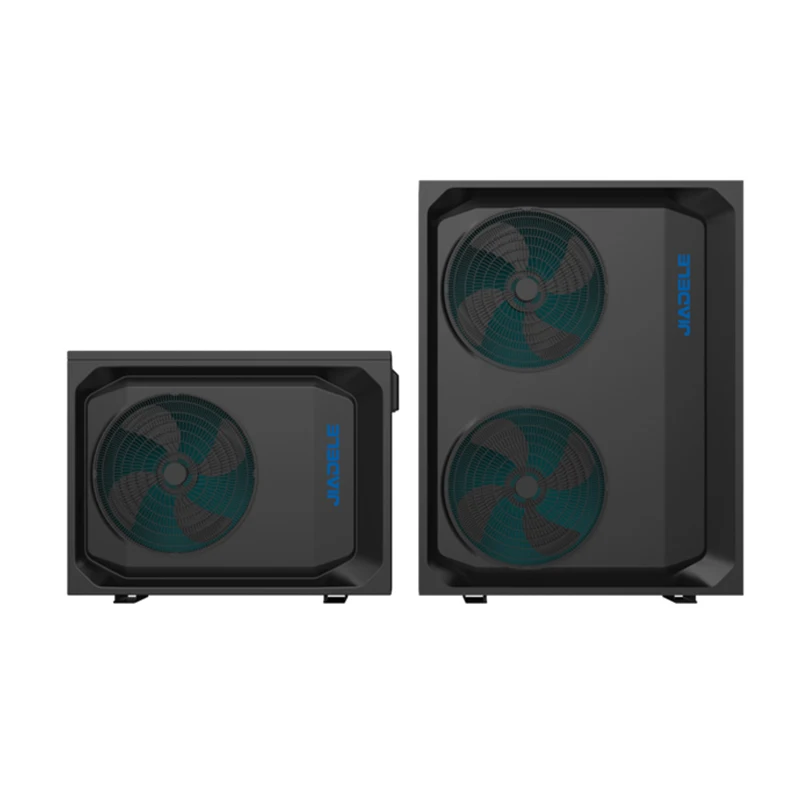
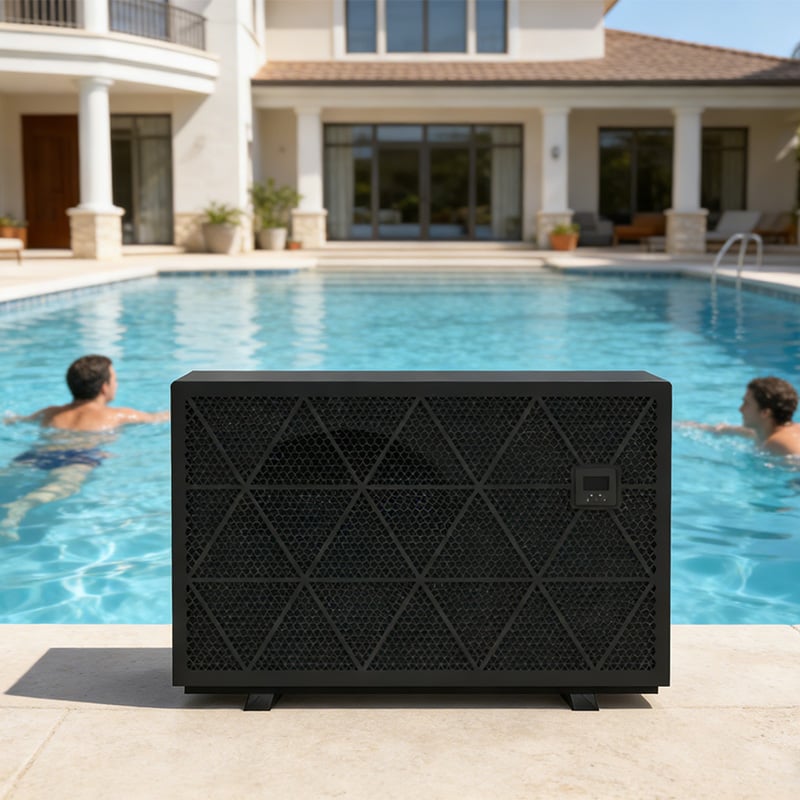
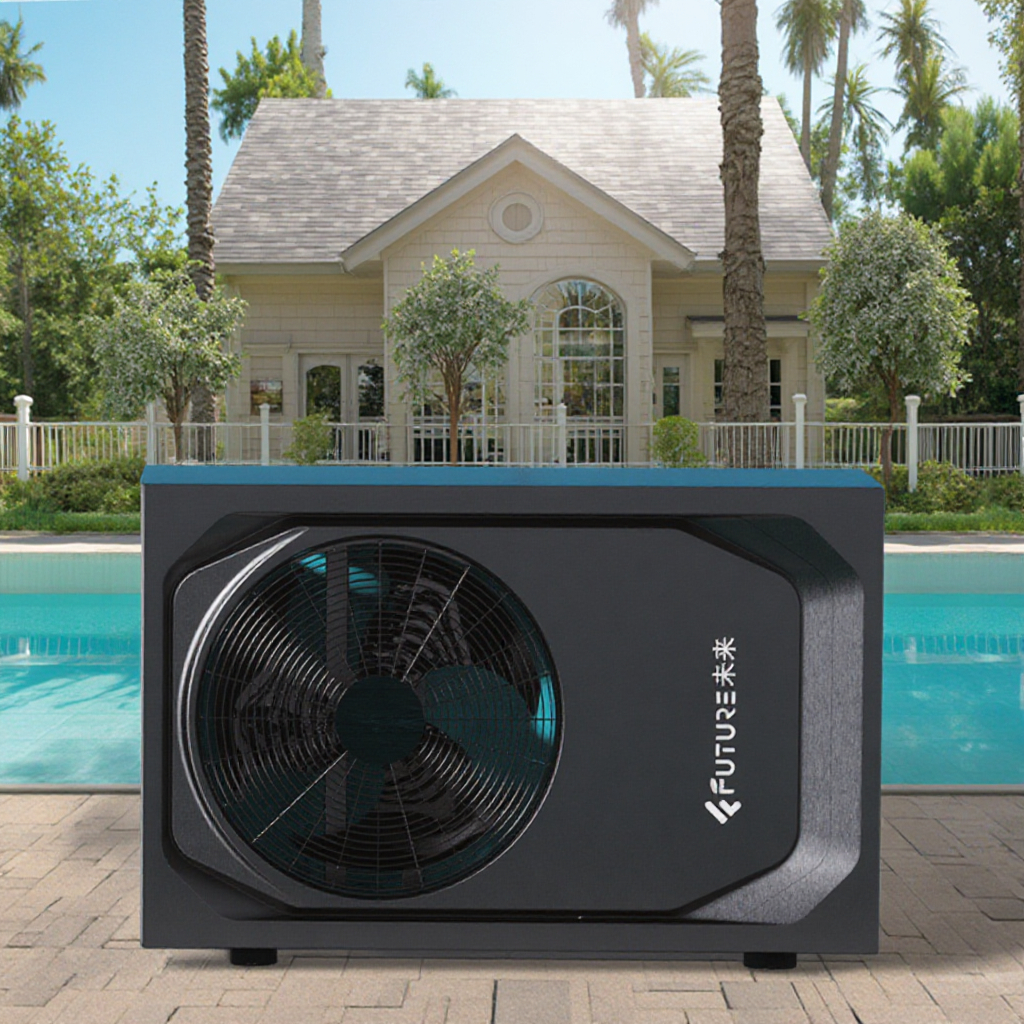
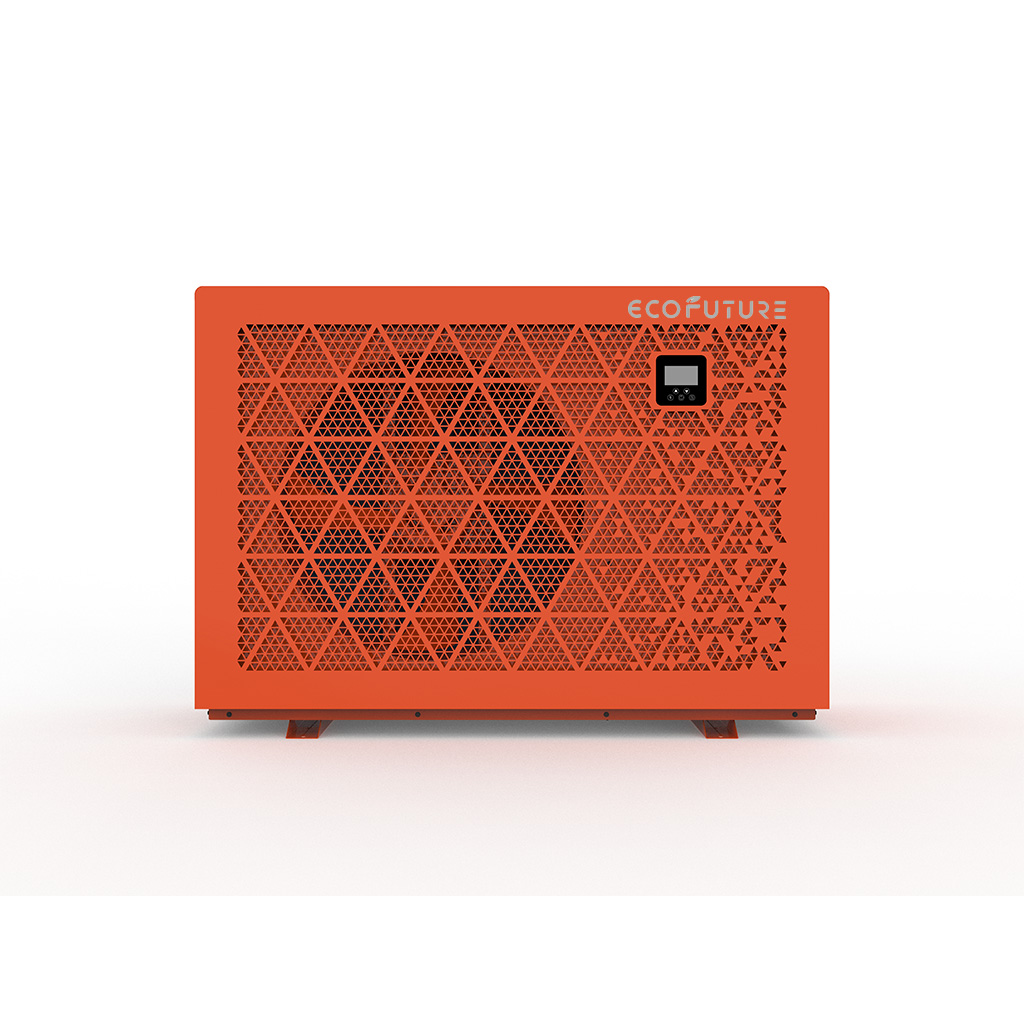
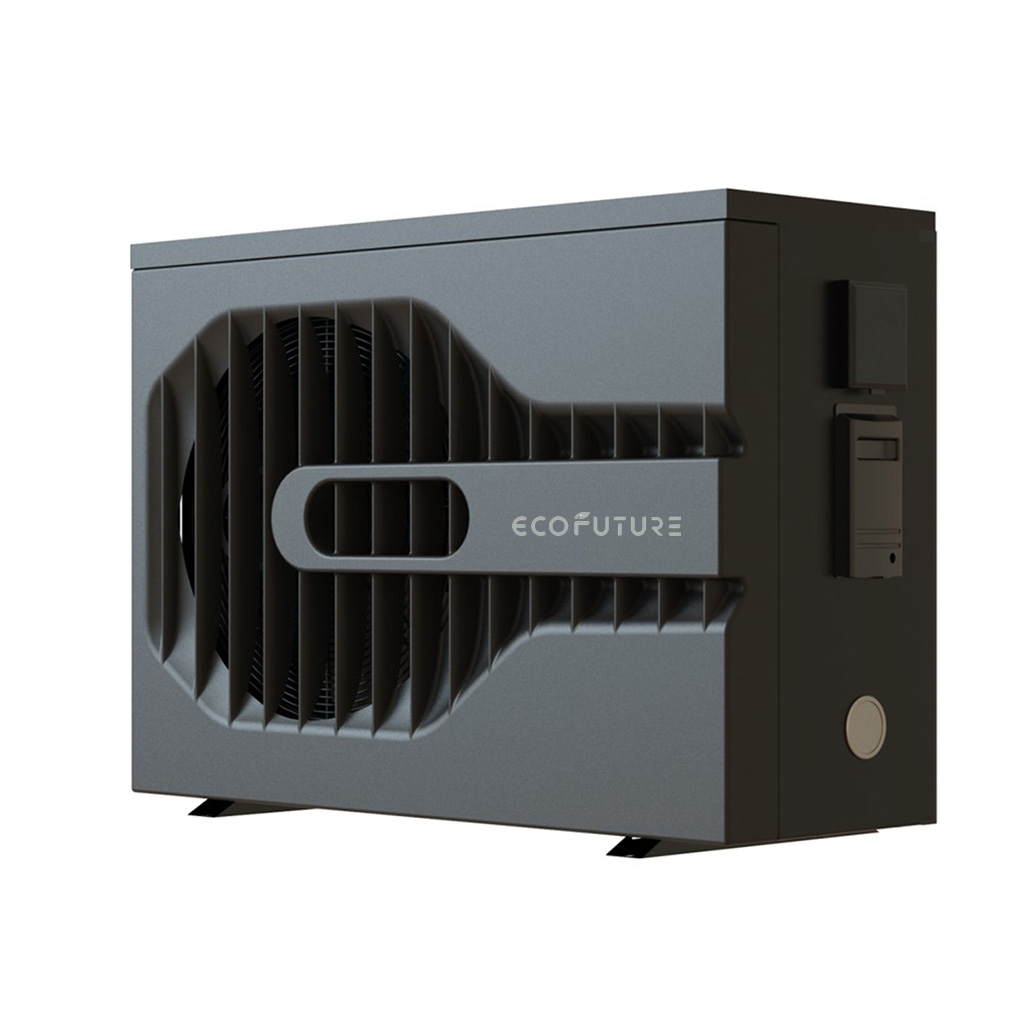
Swimming pool inverter heat pumps are innovative systems designed to efficiently heat the water in both residential and commercial swimming pools. These products provide a sustainable heating solution by utilizing energy from the air, making them an eco-friendly alternative to traditional heating methods. For purchasing managers and engineers, understanding the specifications, quality evaluation criteria, and cost factors associated with swimming pool inverter heat pumps is crucial for making informed decisions. This article will guide you through the essential considerations for sourcing these heat pumps inverter pool heater.
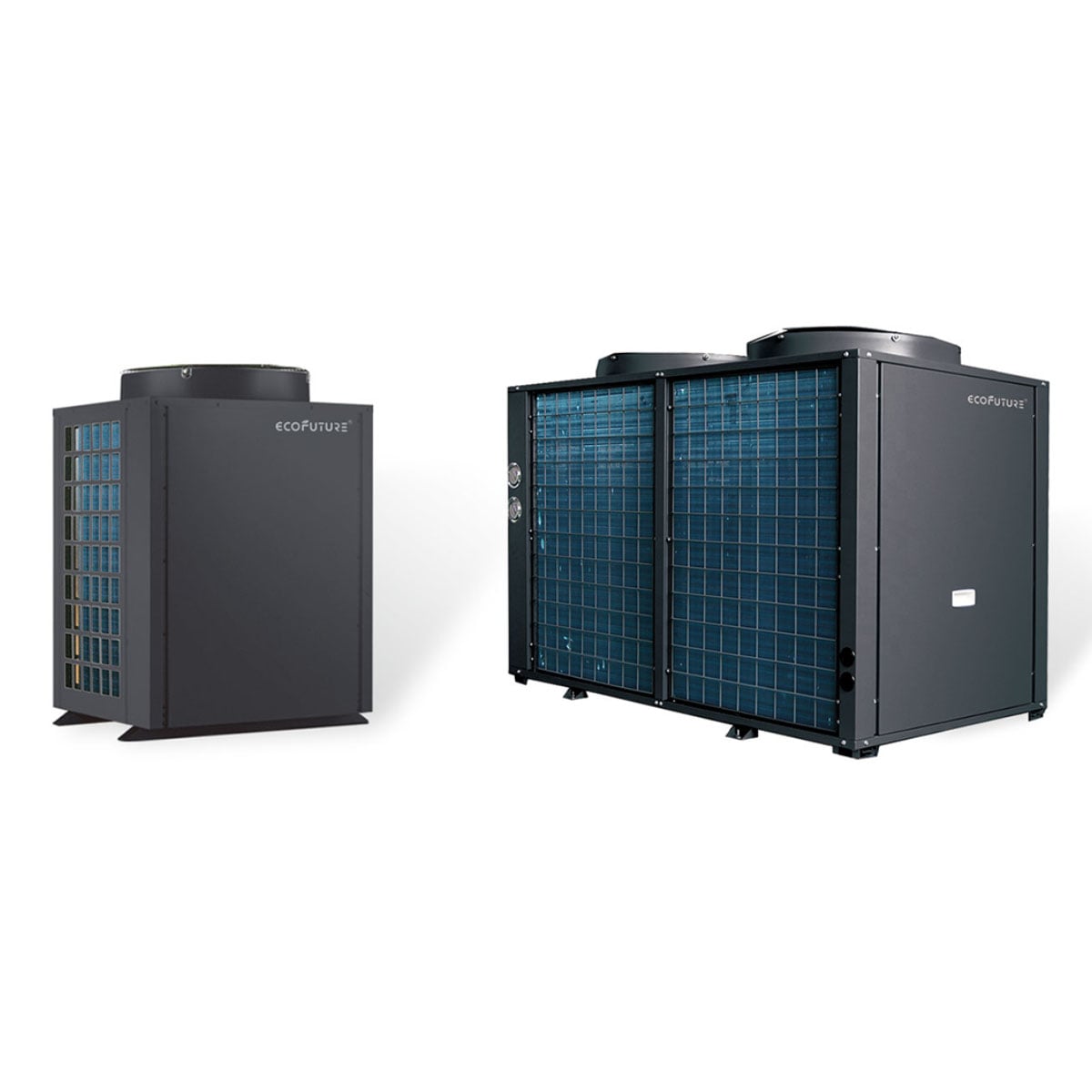
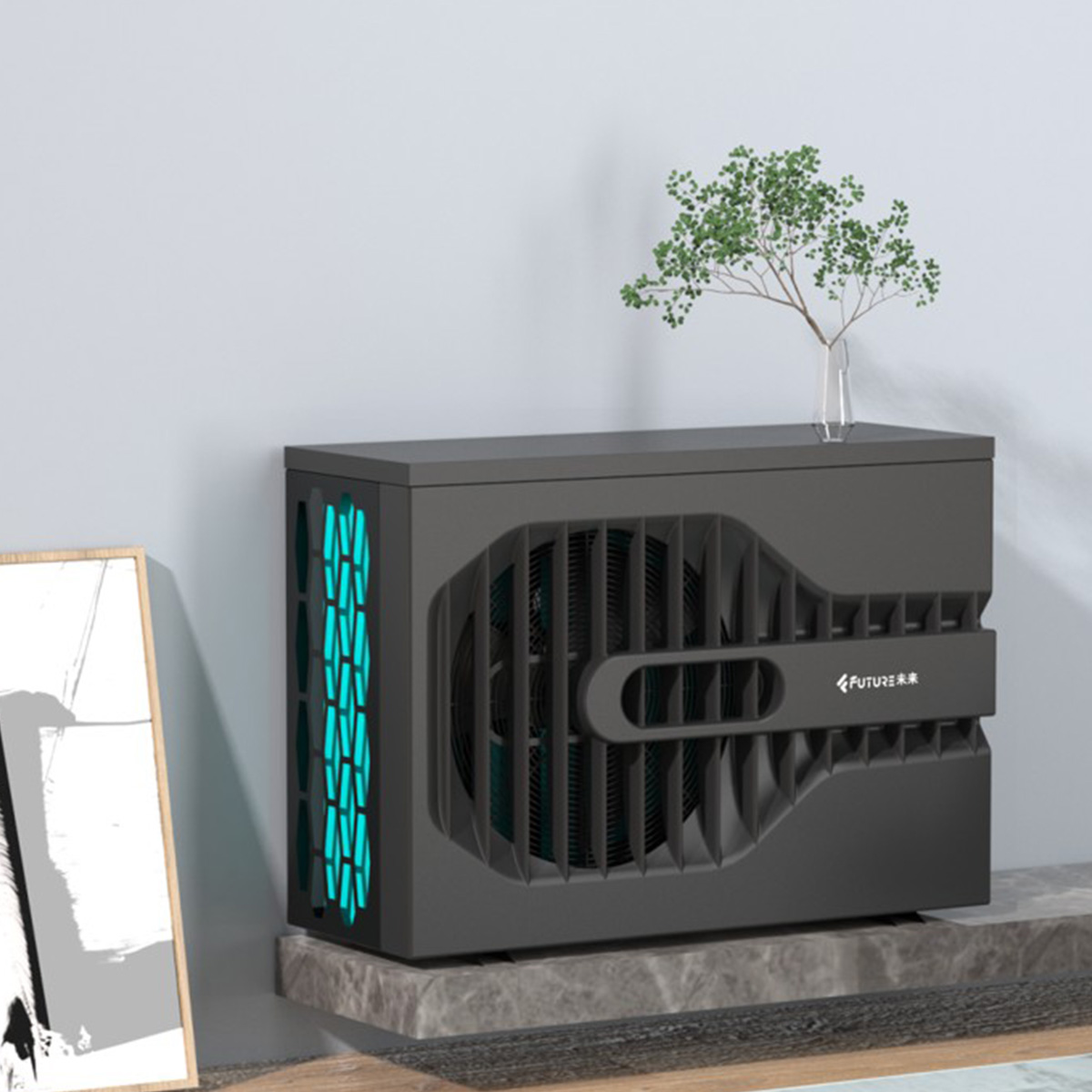
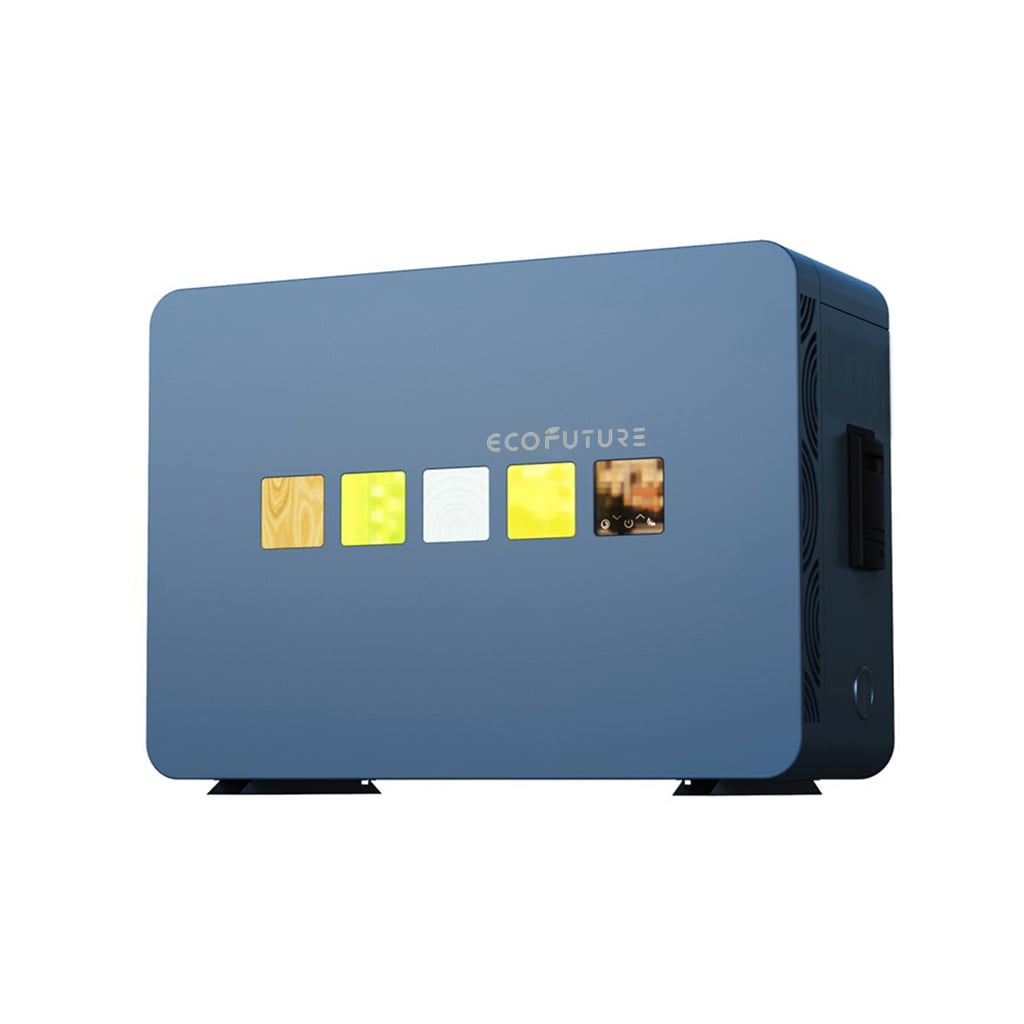
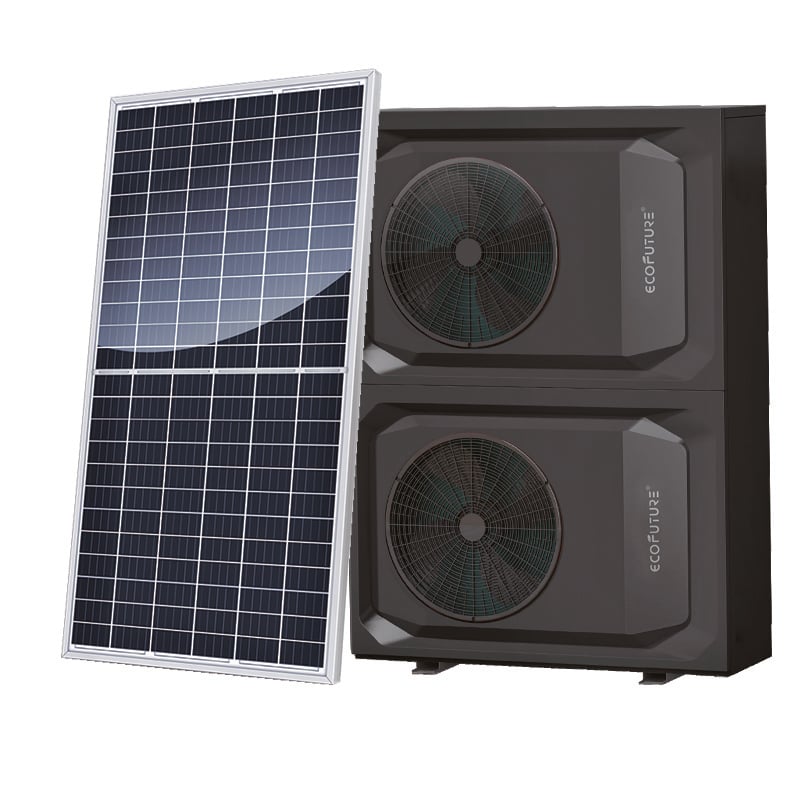
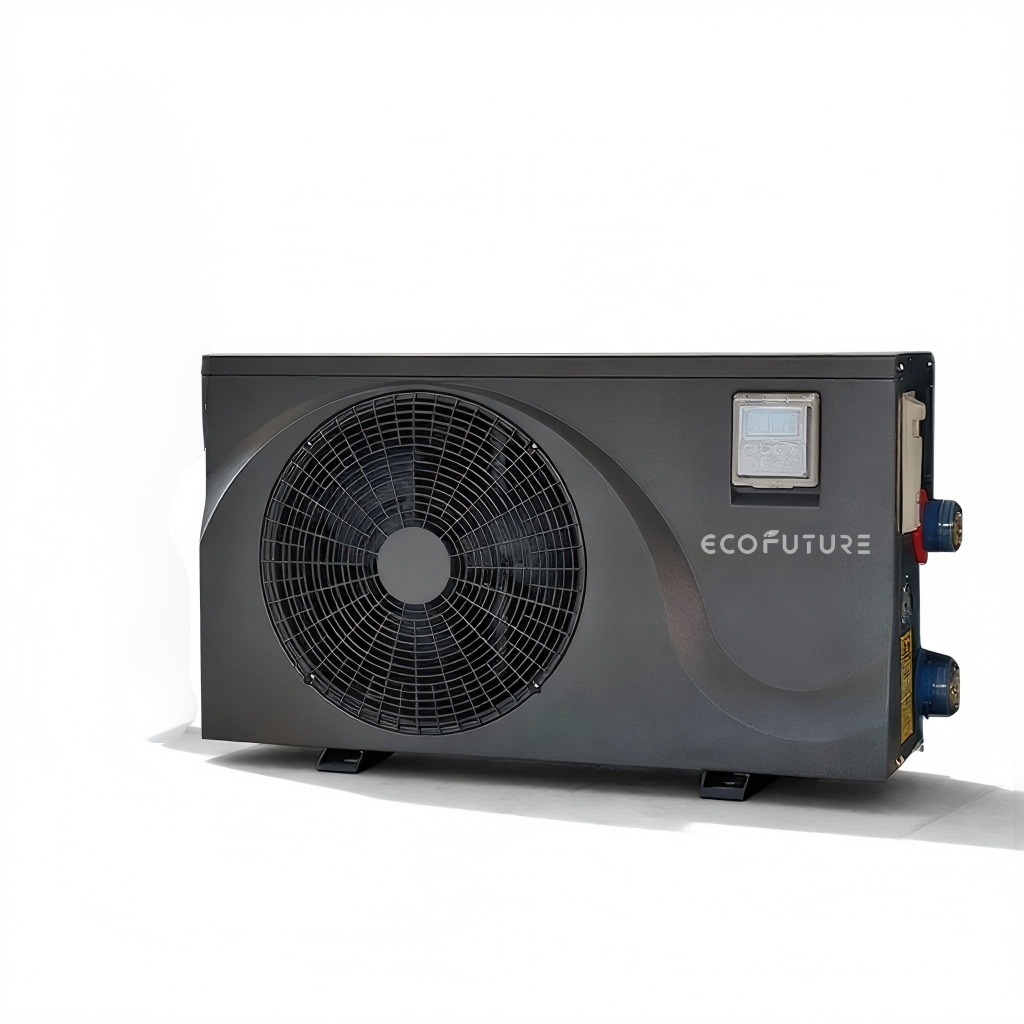
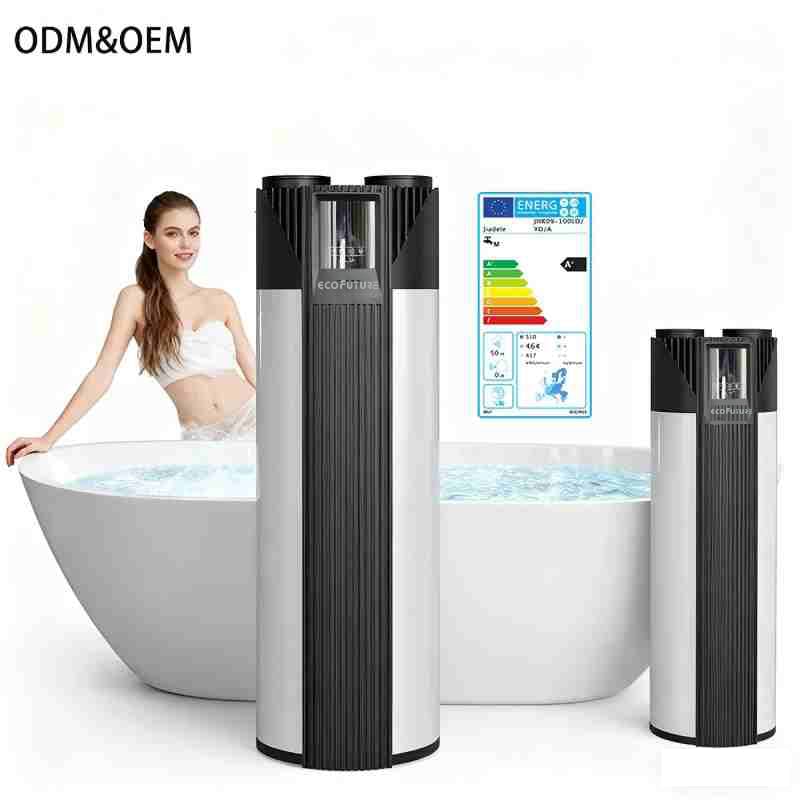
Key Specifications of Swimming Pool Inverter Heat Pumps You Should Know
Understanding the key specifications of swimming pool inverter heat pumps is vital for ensuring compatibility and performance. Important specifications typically include:
Heating Capacity: Measured in BTUs, this indicates the amount of heat the pump can generate. It's essential to match the capacity to the pool size for efficient heating.
Energy Efficiency Ratio (EER): This ratio measures the heating output in relation to energy consumption. A higher EER signifies better efficiency, which translates into lower operational costs.
Operating Temperature Range: Pools in different climates may require pumps that can operate effectively in varying temperatures. Verify the manufacturer's specifications to ensure they meet your region's climate needs.
Refrigerant Type: The type of refrigerant used can impact efficiency and environmental compliance. Look for models that use eco-friendly refrigerants to align with sustainability goals.
Buyers should confirm these specifications against their requirements before making a purchase to ensure the selected model meets all necessary performance criteria.