 EN
 AR
 BG
 HR
 CS
 DA
 NL
 FI
 FR
 DE
 EL
 HI
 IT
 JA
 KO
 NO
 PL
 PT
 RO
 RU
 ES
 SV
 ID
 LV
 LT
 SR
 SK
 SL
 UK
 VI
 SQ
 ET
 HU
 TH
 TR
 MS
 HY
 HA
 LO
 MY
Air source heat pumps are becoming an increasingly popular choice for both residential and commercial heating solutions, providing energy-efficient alternatives to traditional heating methods. For B2B buyers, such as purchasing managers and engineers, navigating the vast options available from air source heat pump heating can be challenging. This article will delve into the key considerations for wholesale buyers, including cost factors, product specifications, common issues, and sourcing strategies, helping you make informed purchasing decisions.
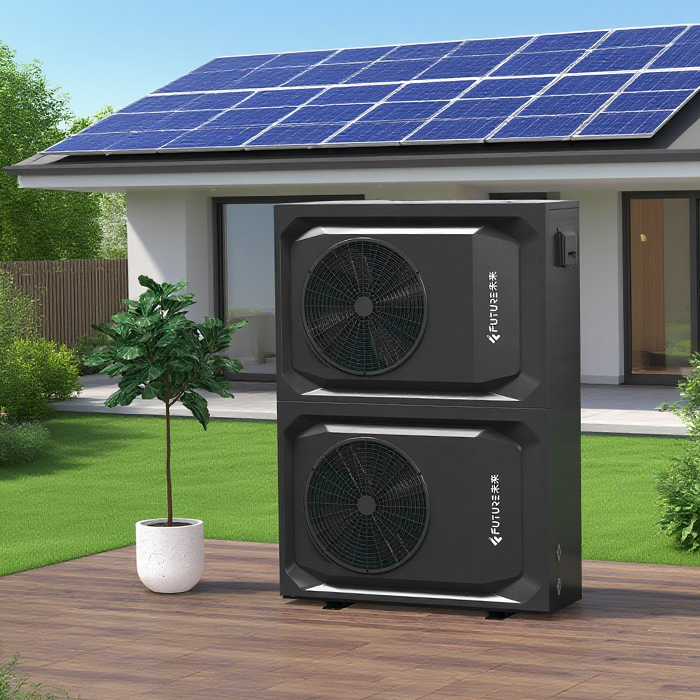
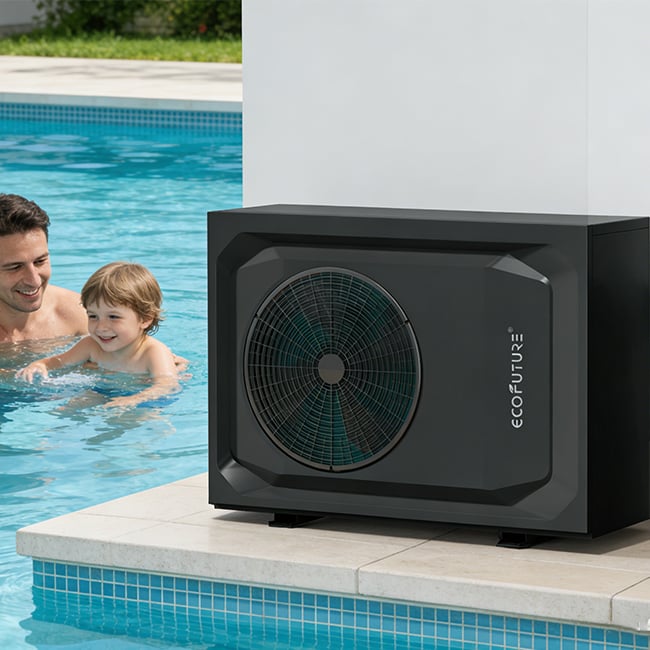
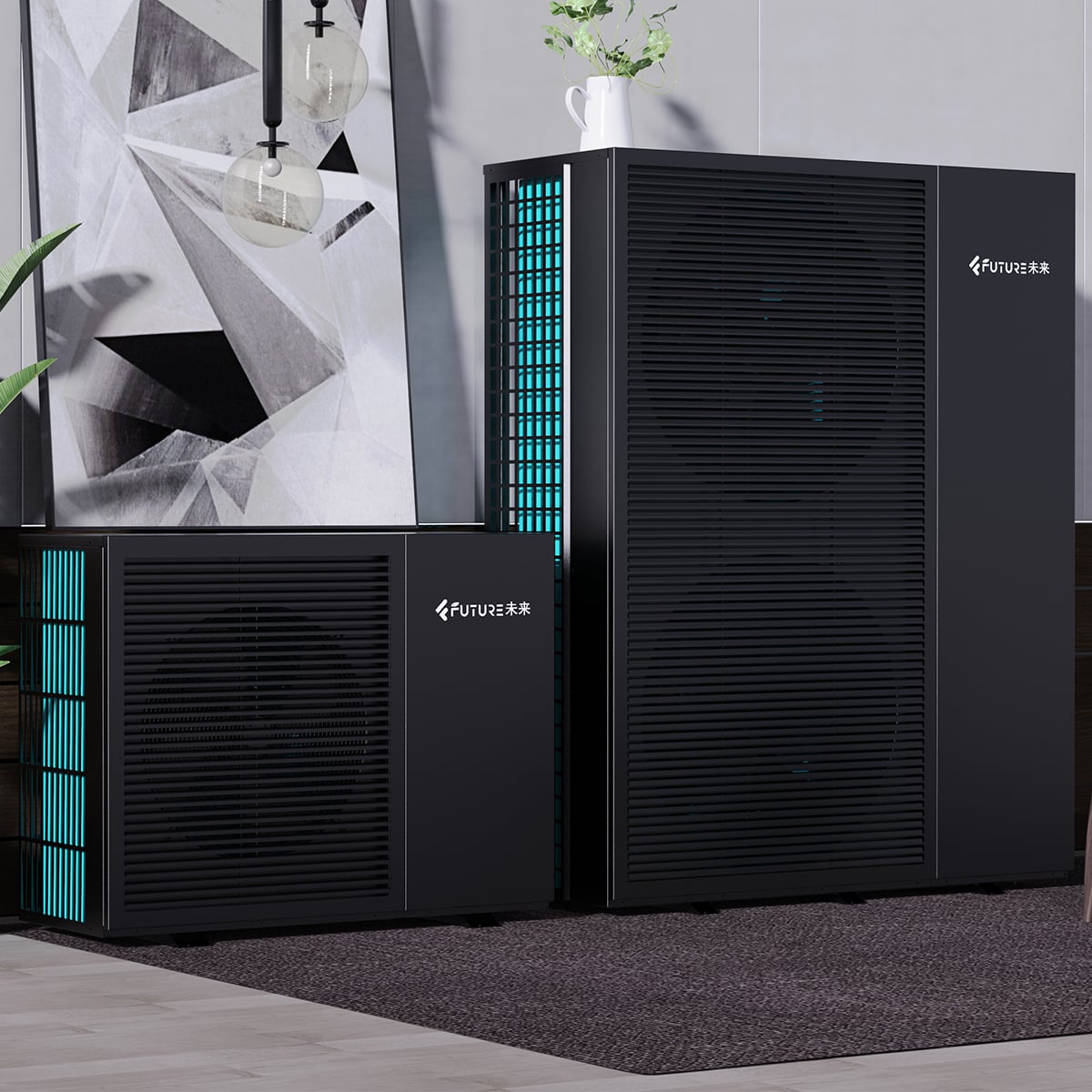
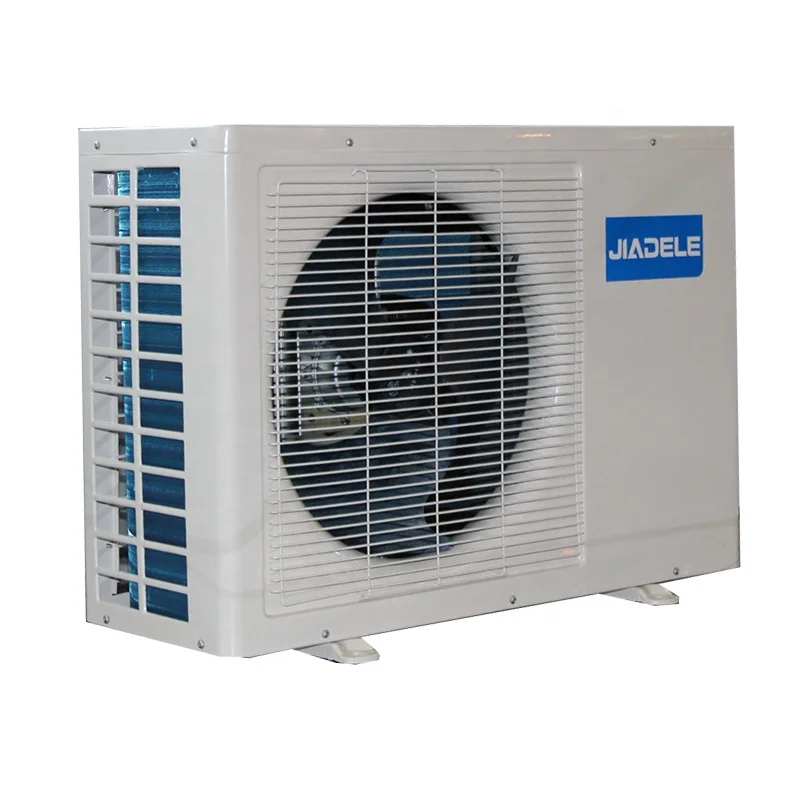

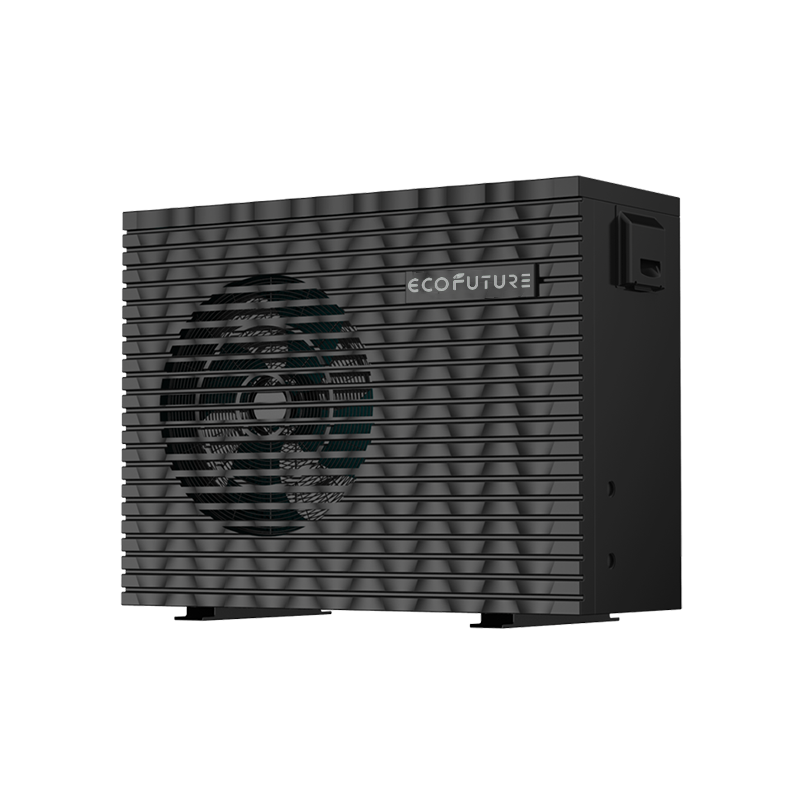
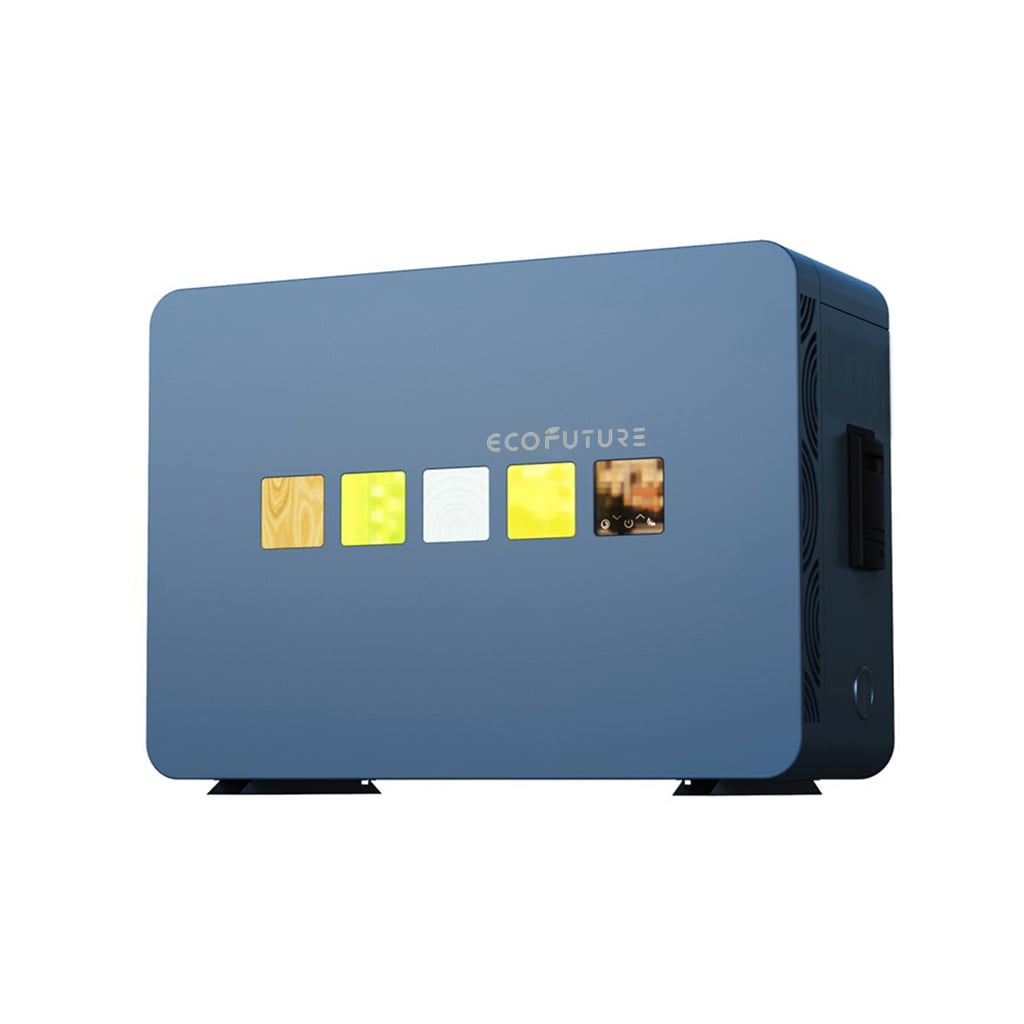

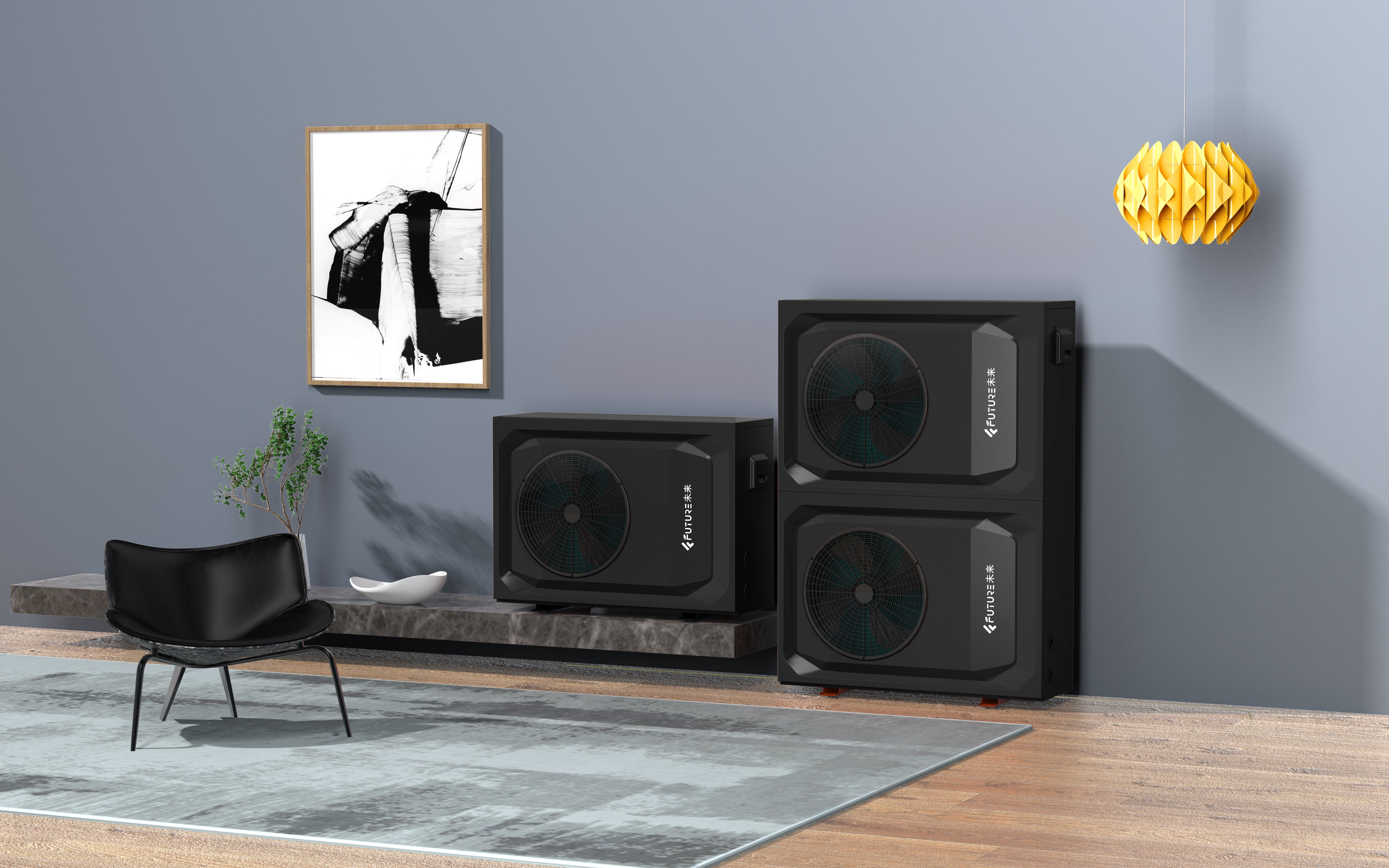
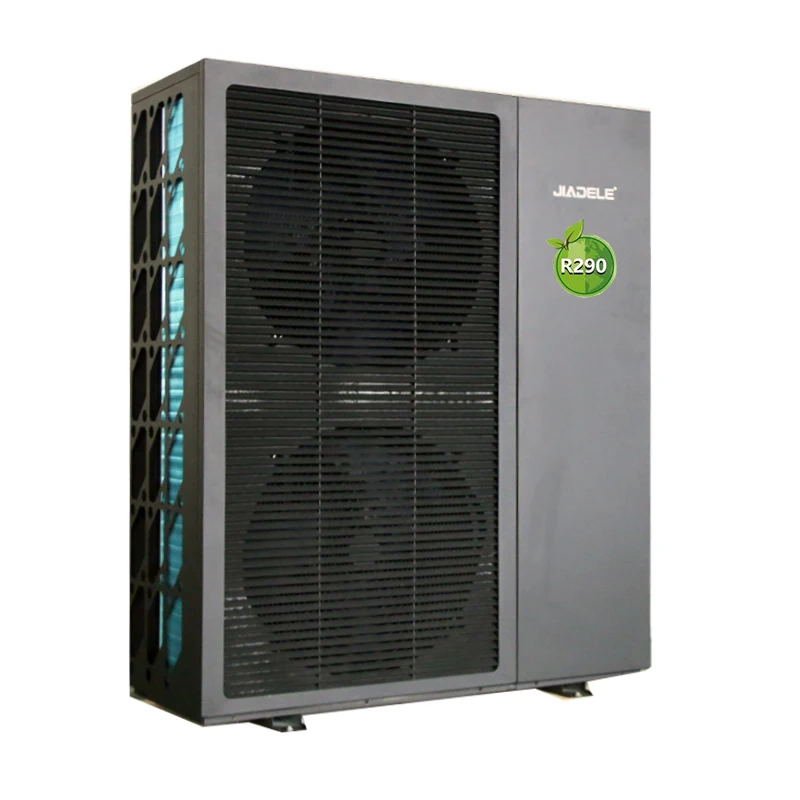
What You Need to Know
Air source heat pumps operate by extracting heat from the outside air, even in colder temperatures, and transferring it indoors. When selecting a model, buyers should assess the unit’s heating capacity, measured in BTUs (British Thermal Units), to ensure it meets the specific heating requirements of their application.
Efficiency ratings are another critical consideration. Look for models that meet or exceed local energy efficiency standards, as these can provide better performance and lower operational costs. Certifications such as CE, RoHS, and ISO are indicators of quality and compliance with international standards, ensuring that the products meet rigorous safety and efficiency benchmarks.
Moreover, understanding the environment in which the high temperature air source heat pump will operate is crucial. Factors such as local climate, building insulation, and existing heating systems can all influence the selection of the appropriate unit.