 EN
 AR
 BG
 HR
 CS
 DA
 NL
 FI
 FR
 DE
 EL
 HI
 IT
 JA
 KO
 NO
 PL
 PT
 RO
 RU
 ES
 SV
 ID
 LV
 LT
 SR
 SK
 SL
 UK
 VI
 SQ
 ET
 HU
 TH
 TR
 MS
 HY
 HA
 LO
 MY
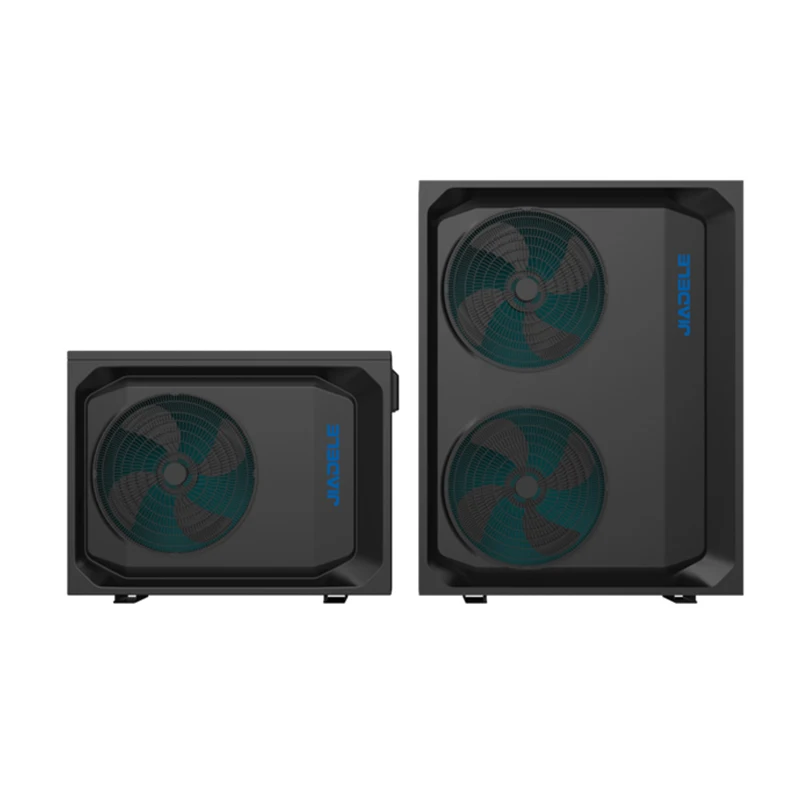
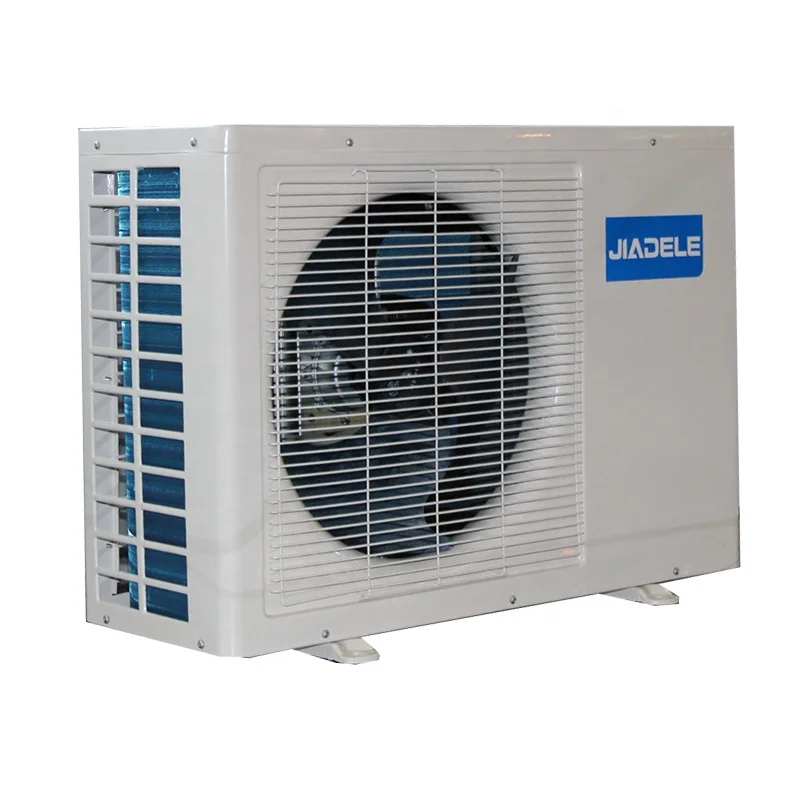
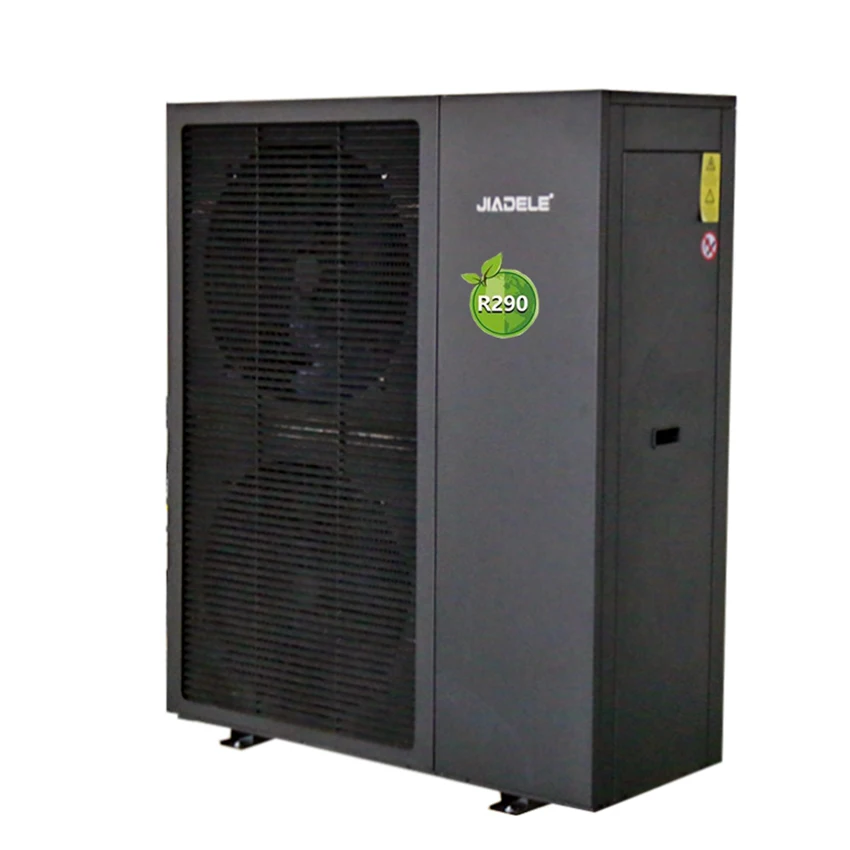
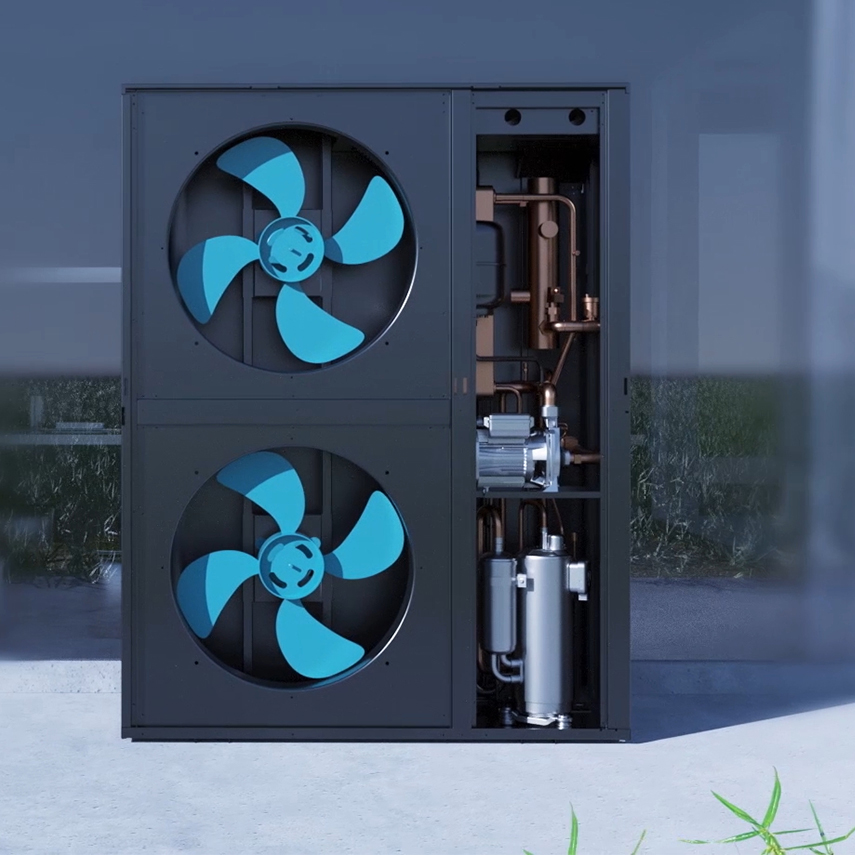
Heat pumps for above ground swimming pools are becoming increasingly popular due to their energy efficiency and ability to extend the swimming season. As a B2B buyer, you may have concerns about product specifications, efficiency ratings, and potential issues that could arise during operation. This article will provide valuable insights into above ground pool heat pump features, efficiency comparisons, common challenges, material advantages, and expert guidance on sourcing these essential components for your projects.
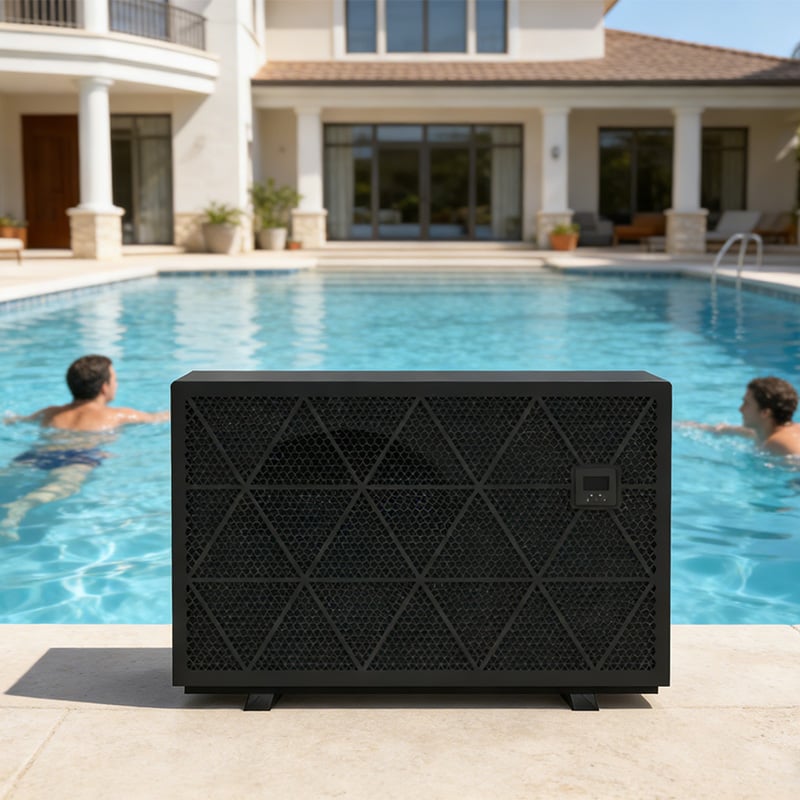
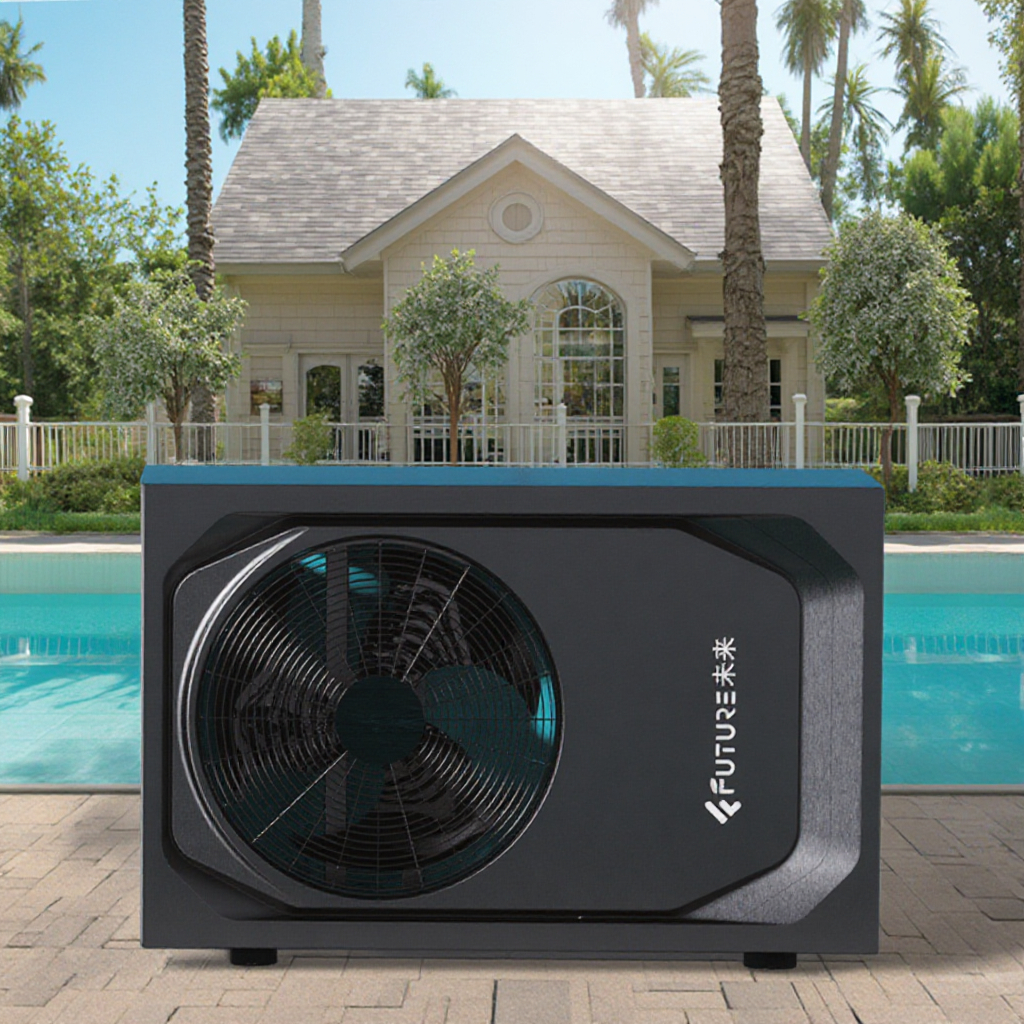
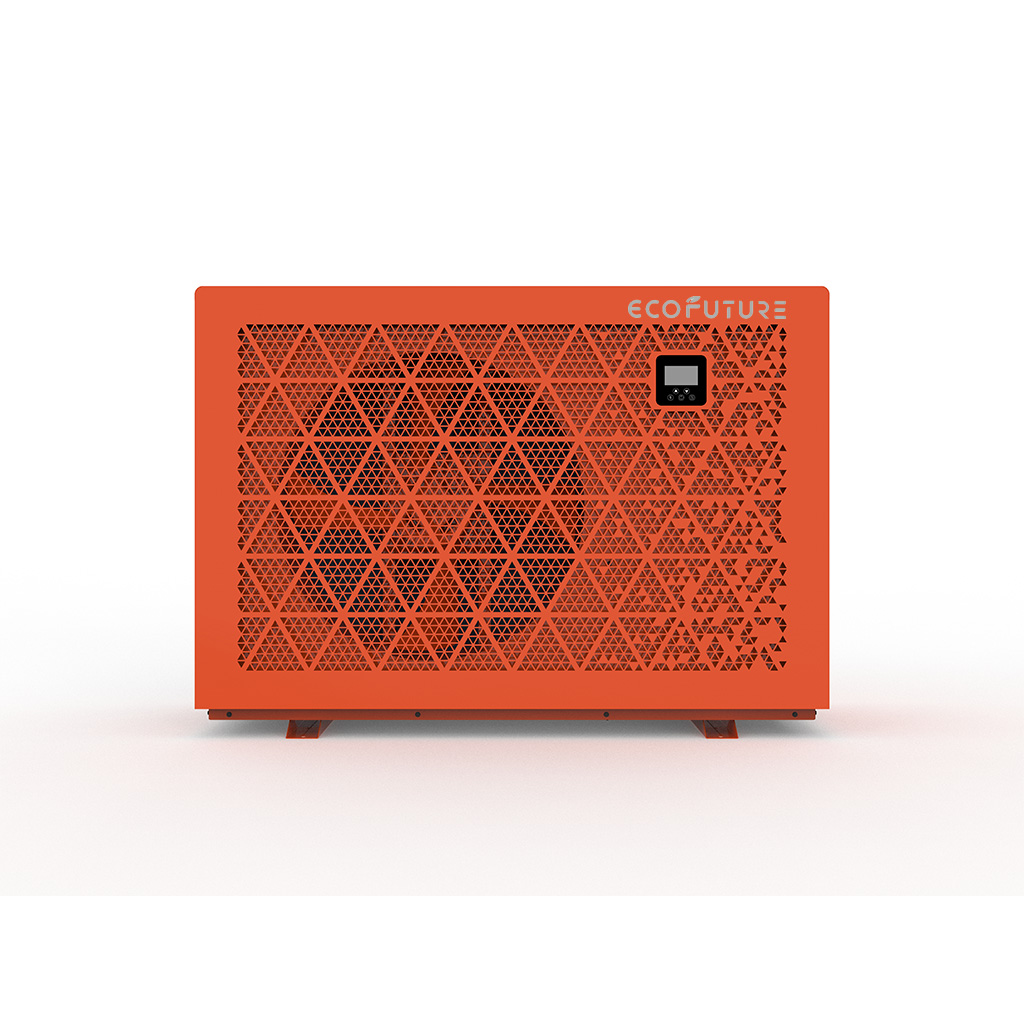
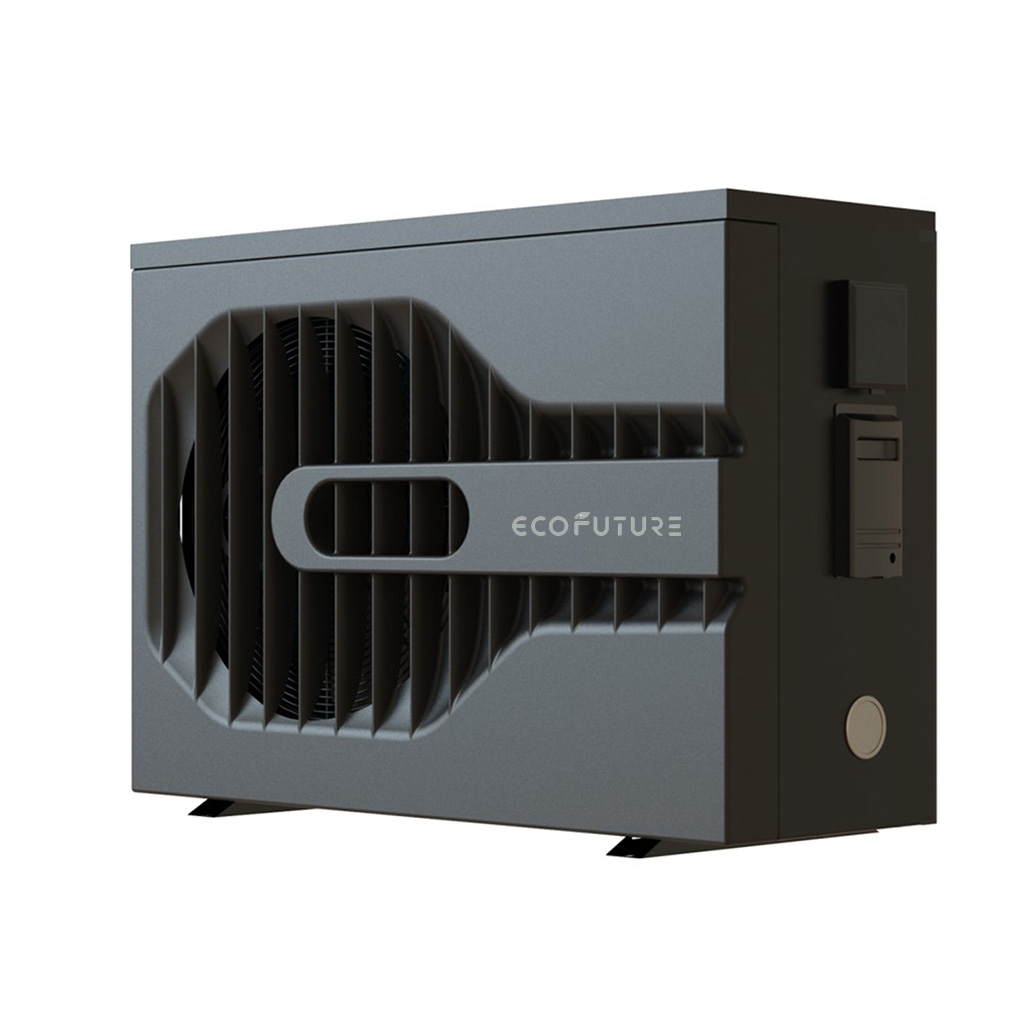
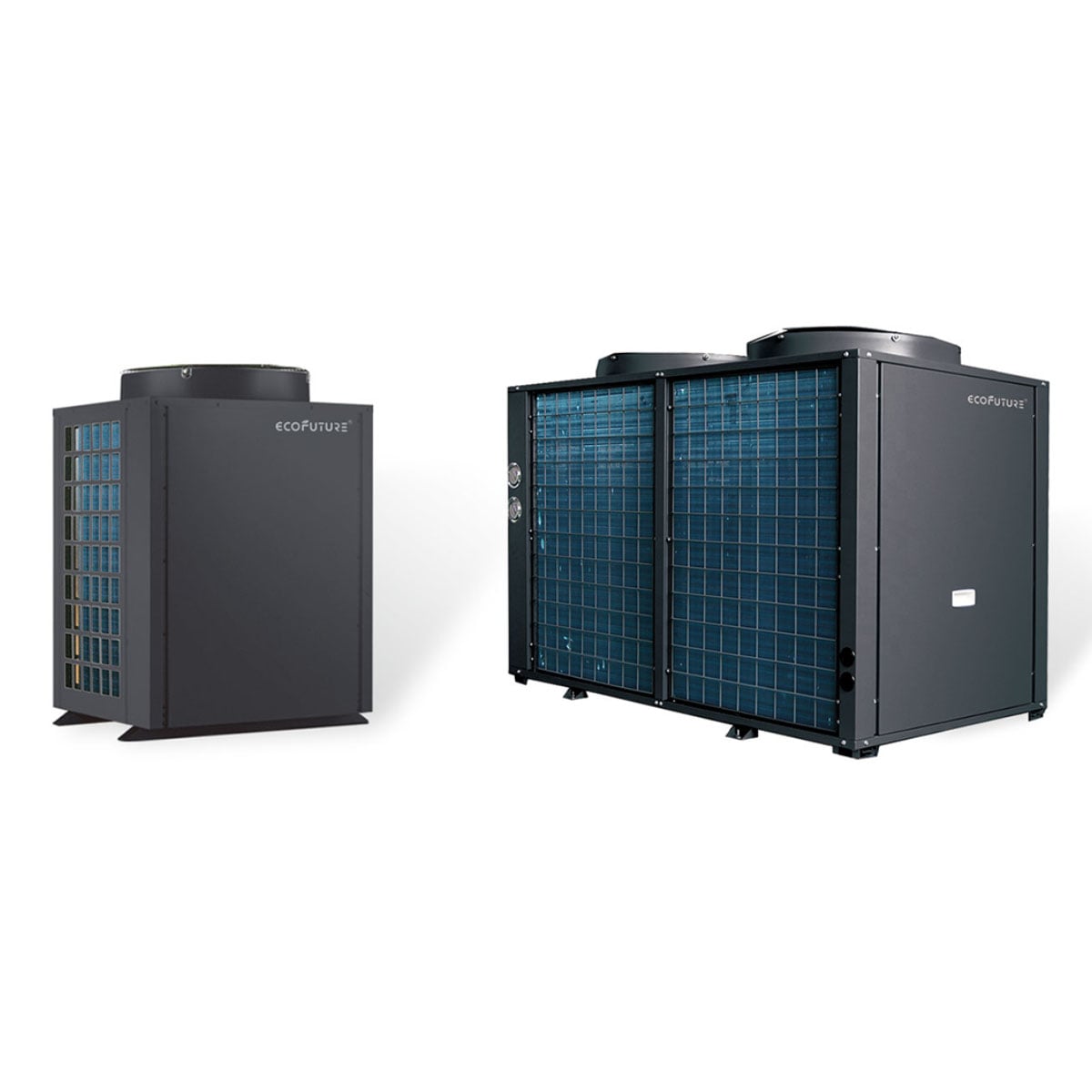
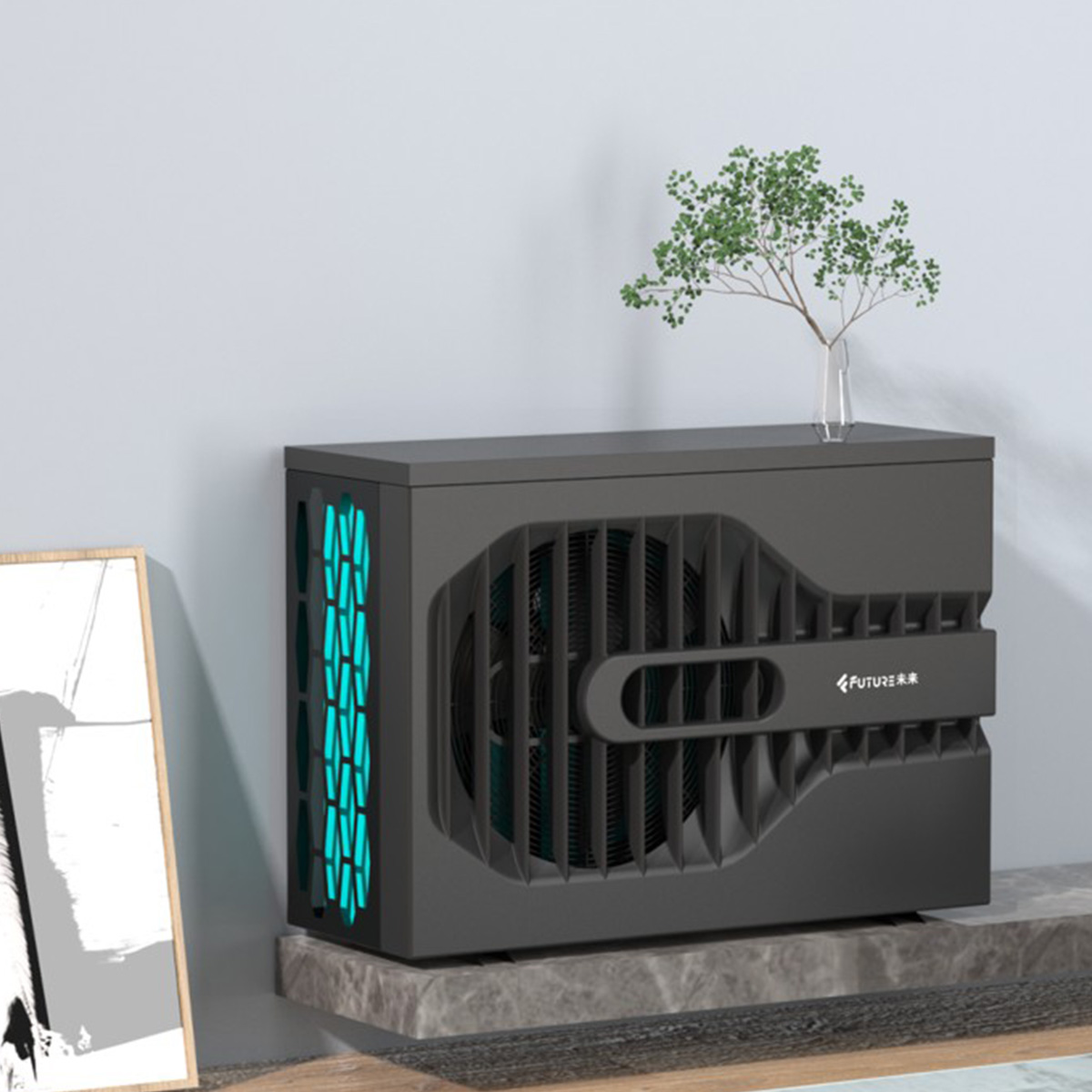
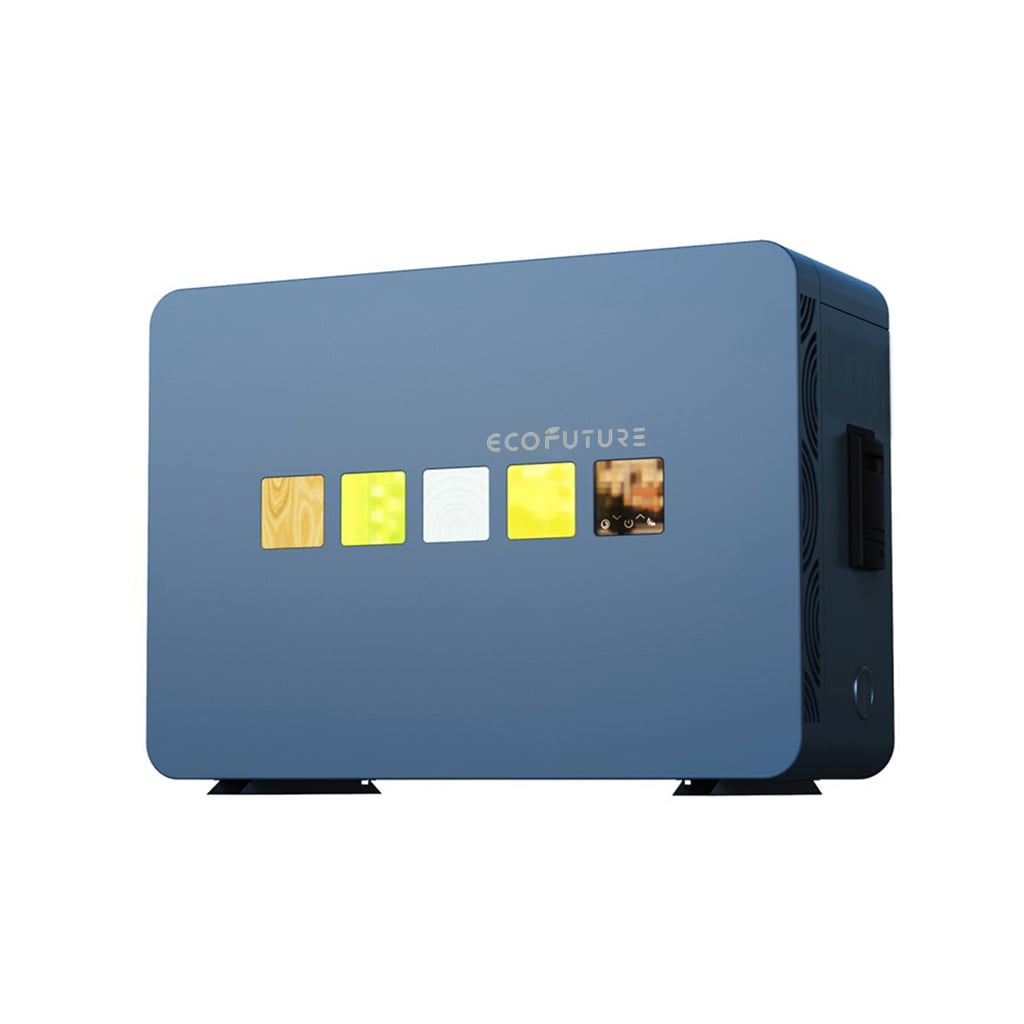
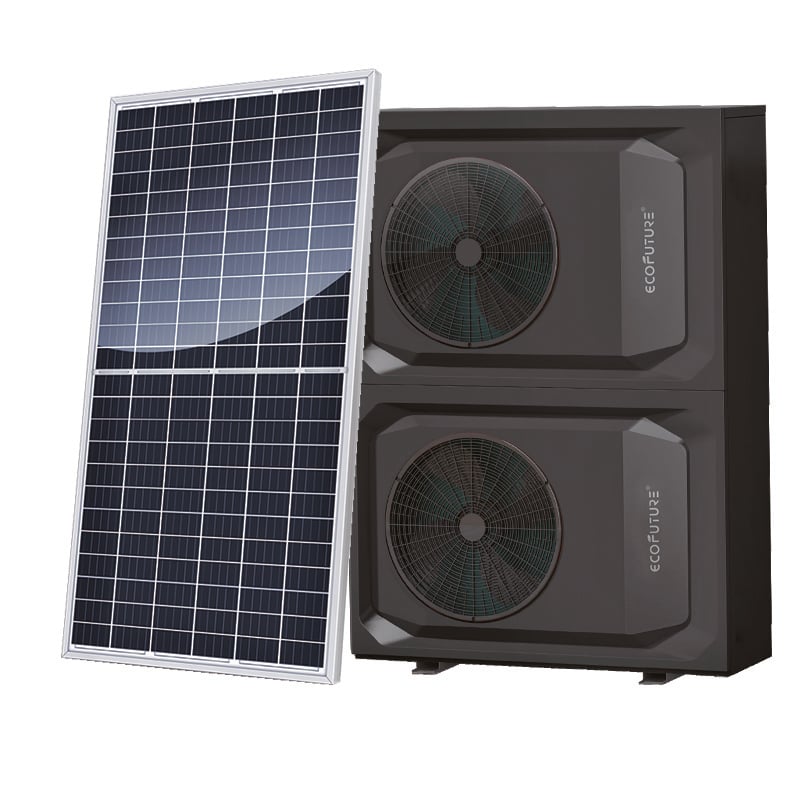
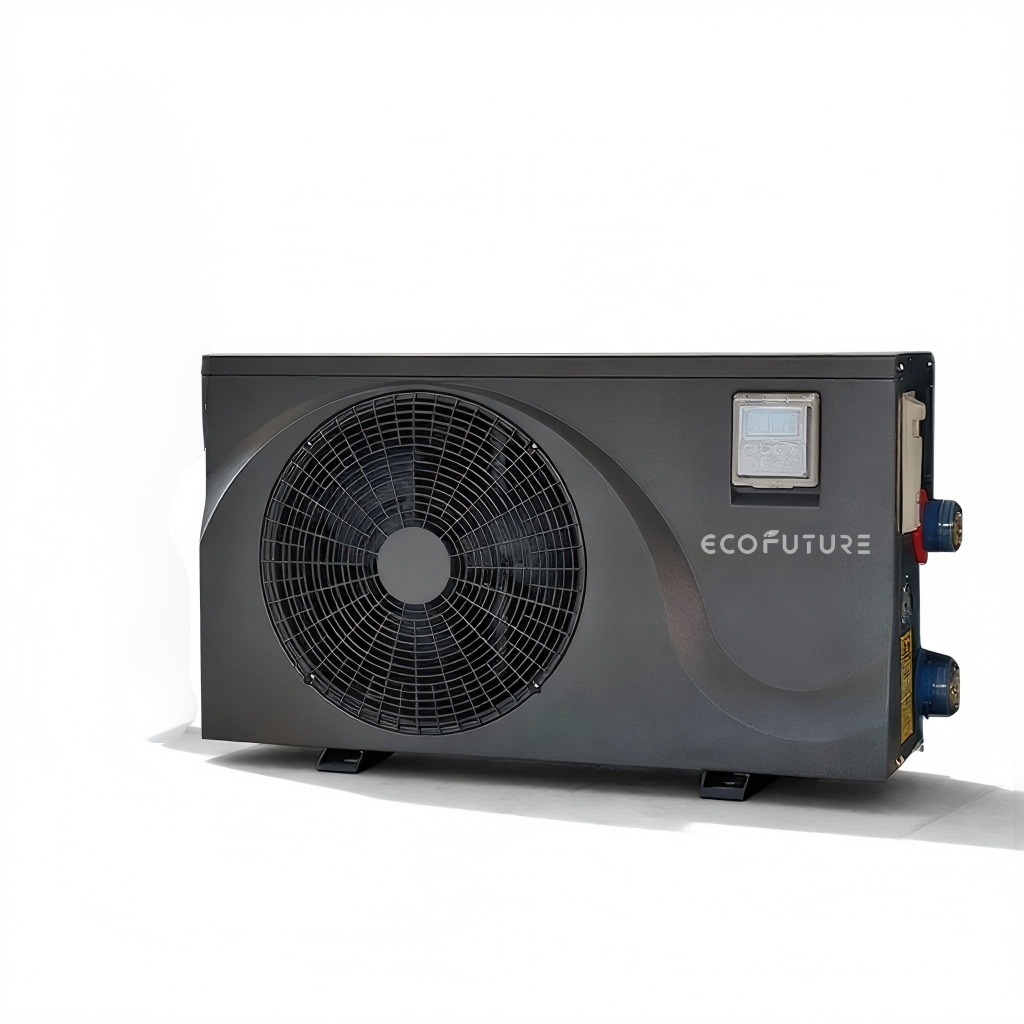
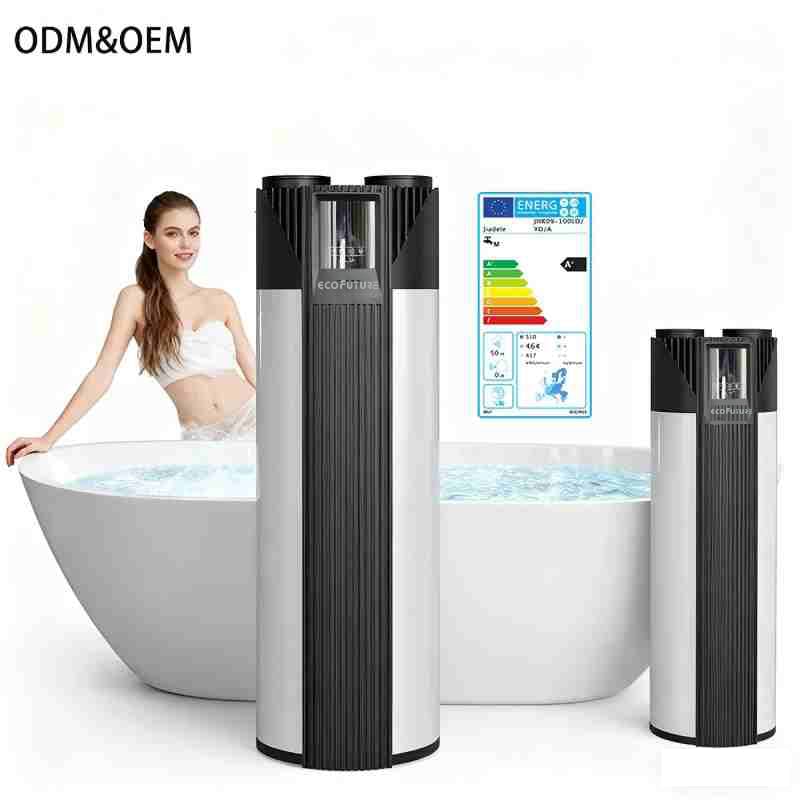
Comparing Heat Pump Efficiency Ratings for Above Ground Pools
Efficiency ratings are crucial when evaluating heat pumps for above ground pools. The two primary metrics to consider are the Coefficient of Performance (COP) and the Energy Efficiency Ratio (EER). The COP indicates the amount of heating provided per unit of energy consumed, while the EER assesses cooling performance. Higher ratings in both metrics signify better energy efficiency.
For commercial applications or large-scale installations, a heat pumps for above ground pools with a COP of 5.0 means that for every unit of energy consumed, five units of heat are produced. This not only reduces operational costs but also minimizes environmental impact. When assessing models from manufacturers like Jiadele, compare these ratings across different models to find options that align with your energy efficiency goals.
It's also wise to evaluate the local climate, as it can significantly affect a heat pumps for above ground pools performance. For instance, above ground pool heater may operate less efficiently in colder temperatures, so selecting a unit designed for specific temperature ranges is essential.