 EN
 AR
 BG
 HR
 CS
 DA
 NL
 FI
 FR
 DE
 EL
 HI
 IT
 JA
 KO
 NO
 PL
 PT
 RO
 RU
 ES
 SV
 ID
 LV
 LT
 SR
 SK
 SL
 UK
 VI
 SQ
 ET
 HU
 TH
 TR
 MS
 HY
 HA
 LO
 MY
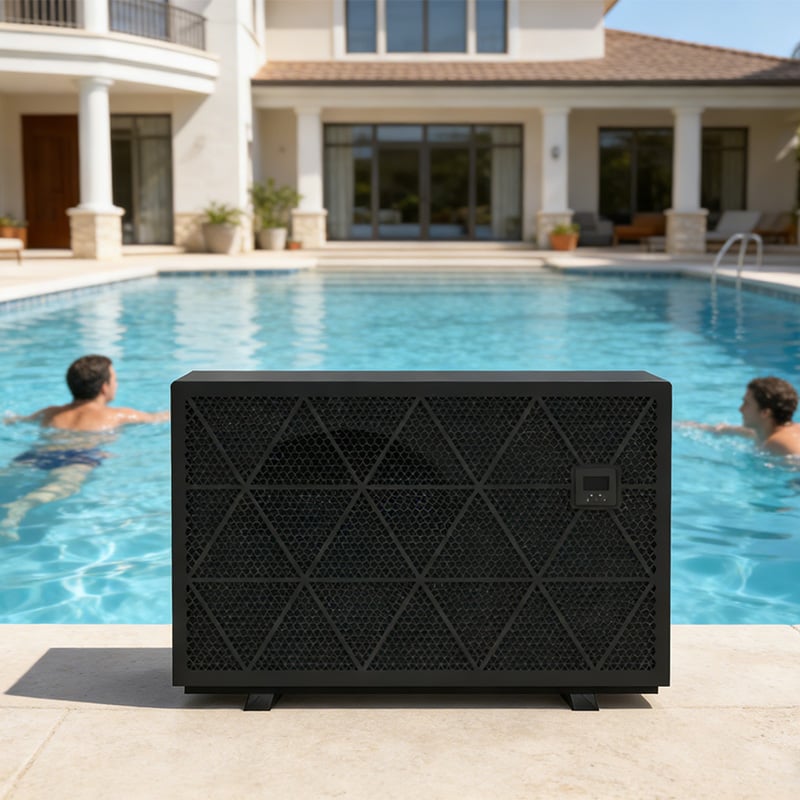
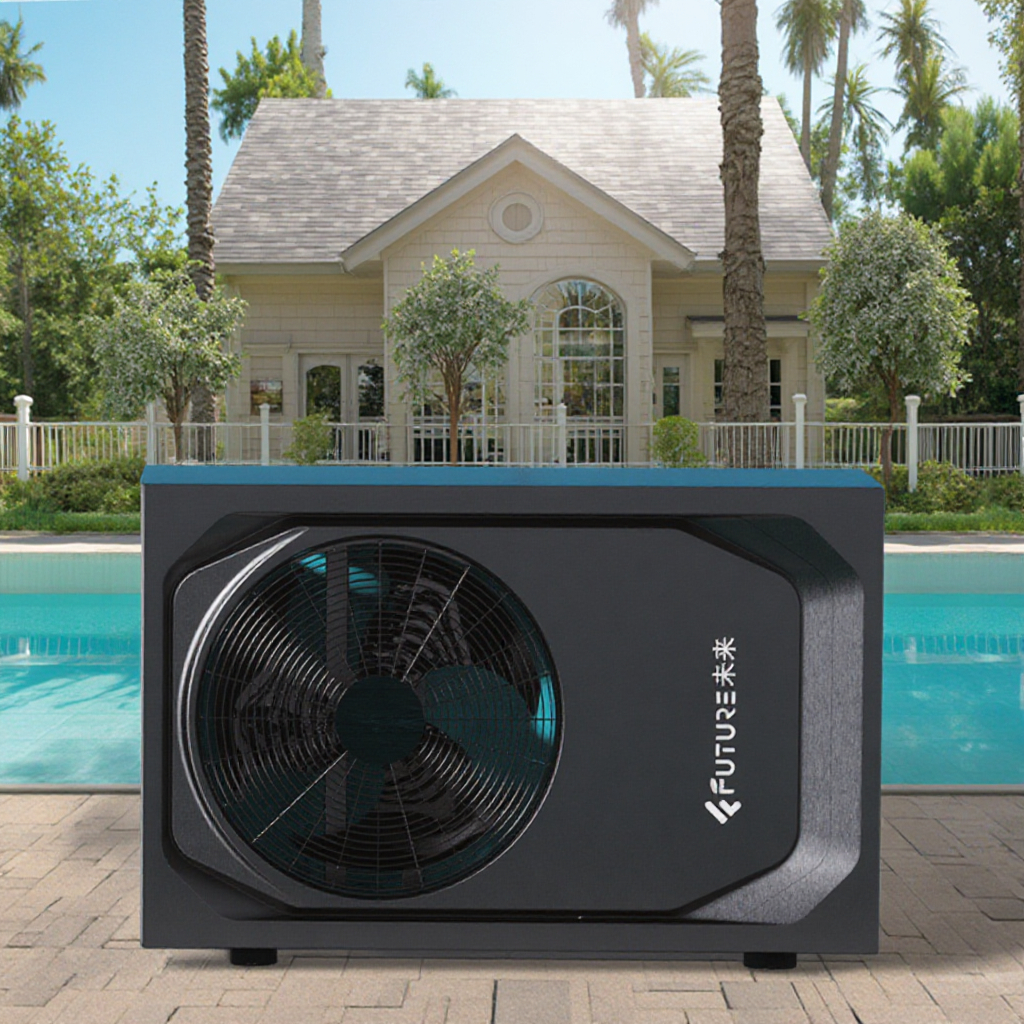
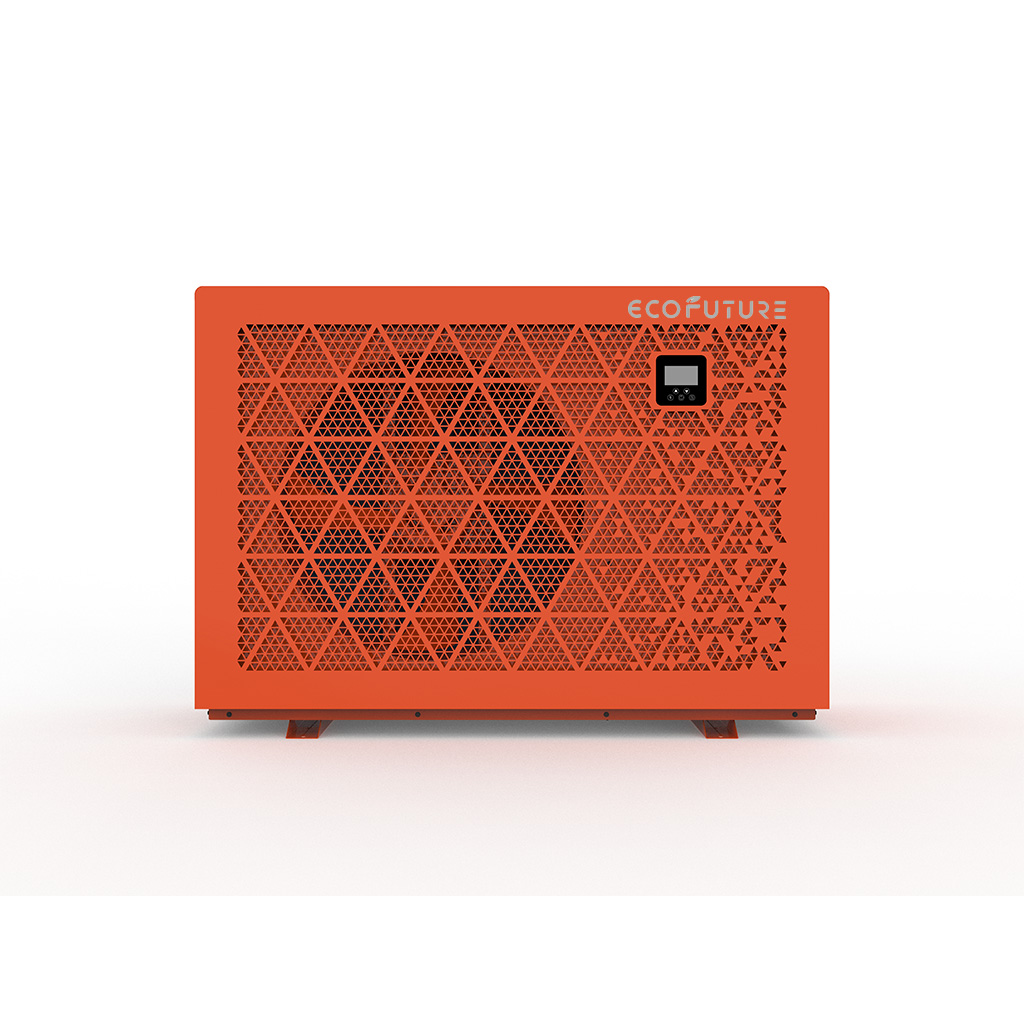
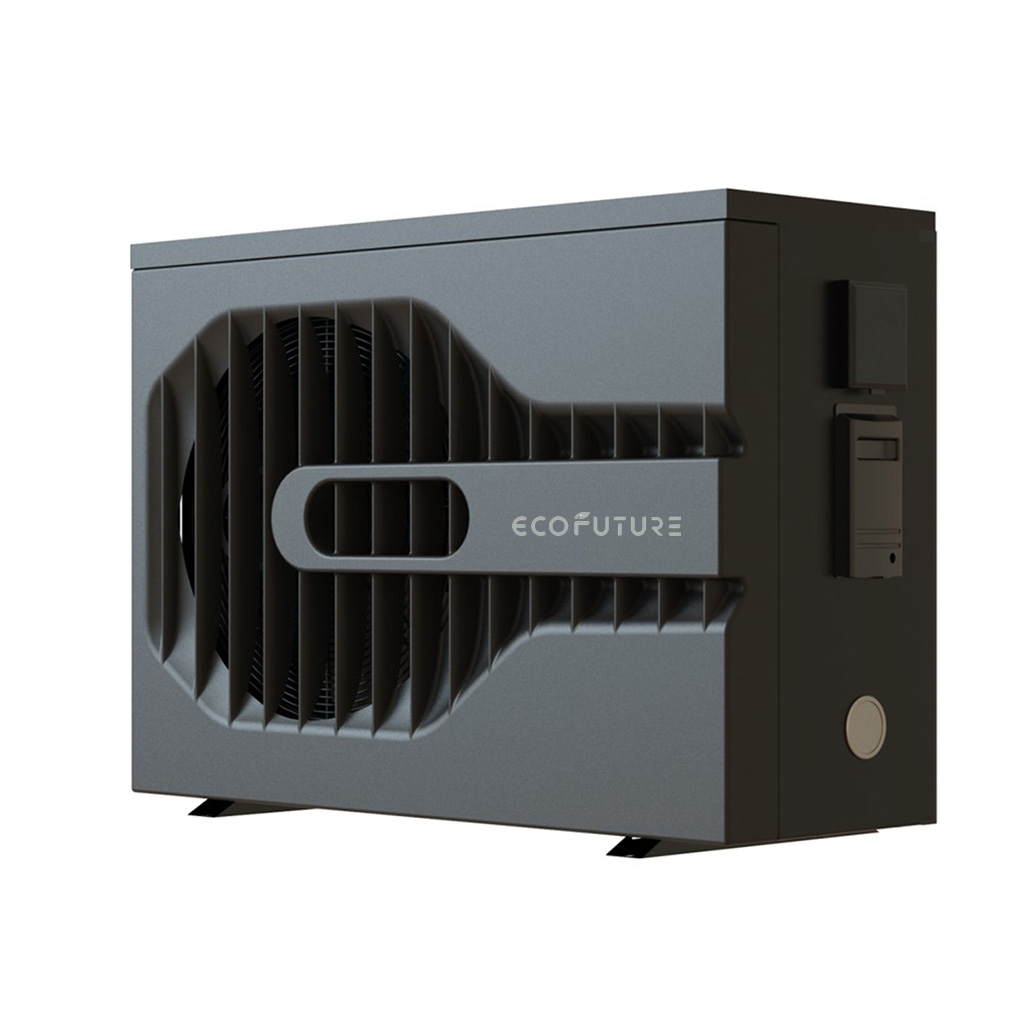
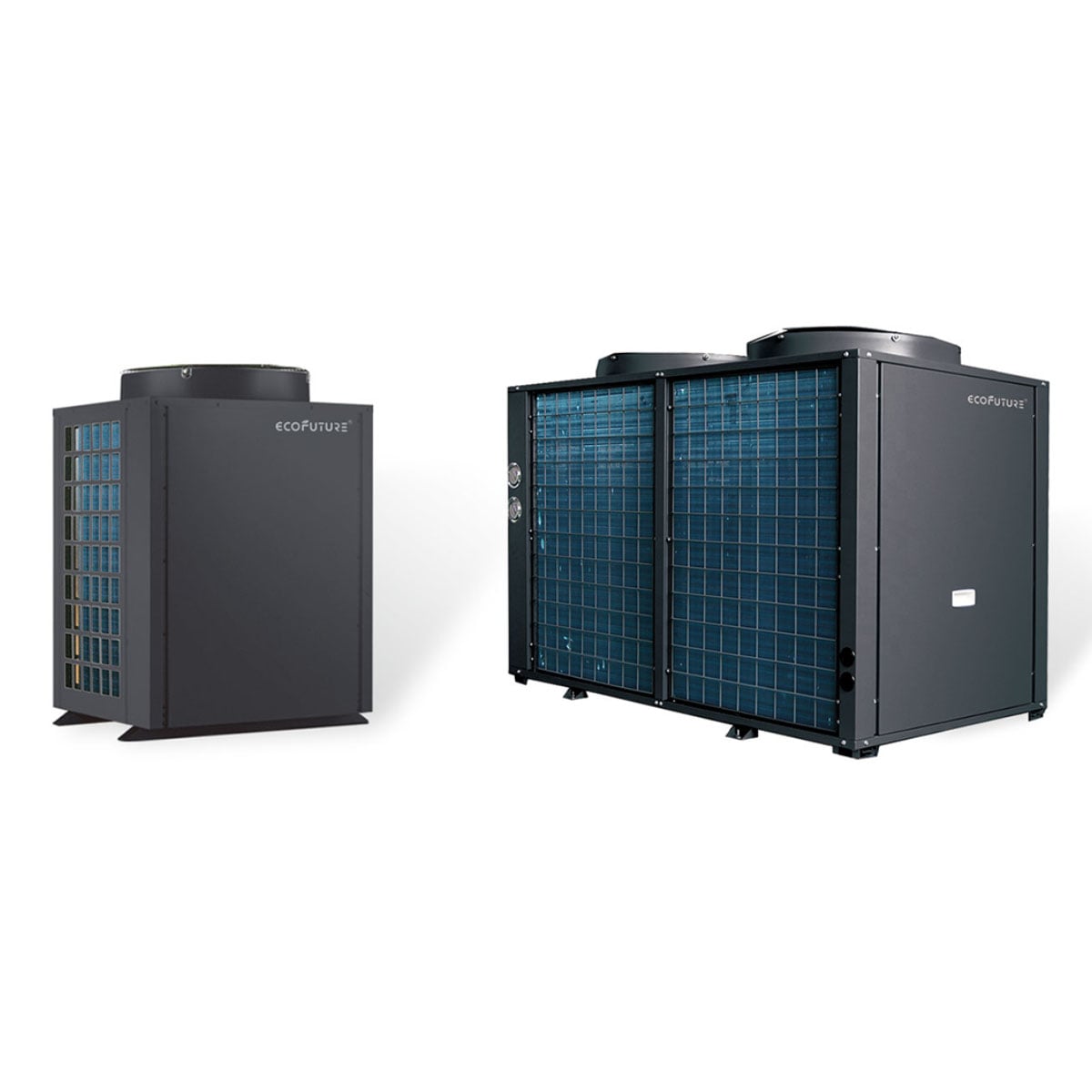
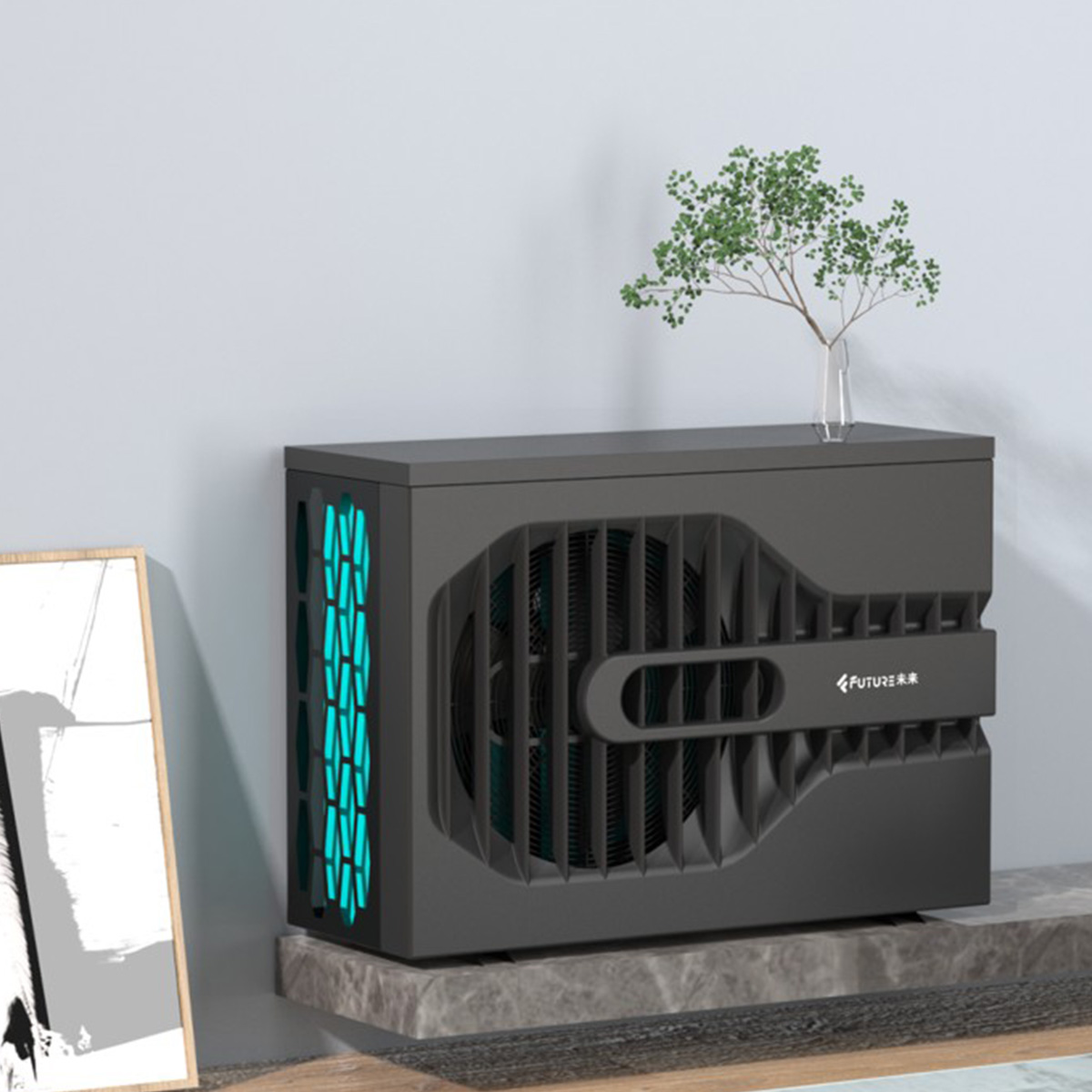
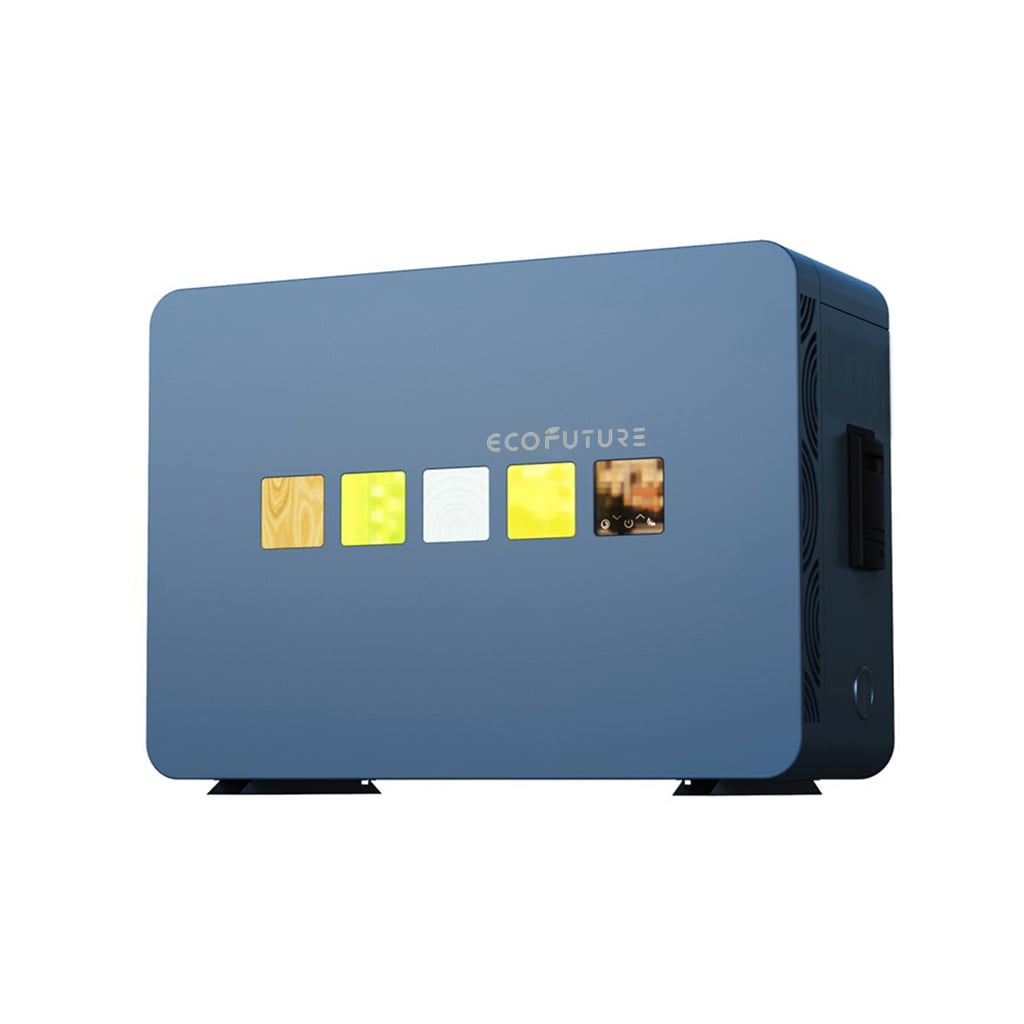
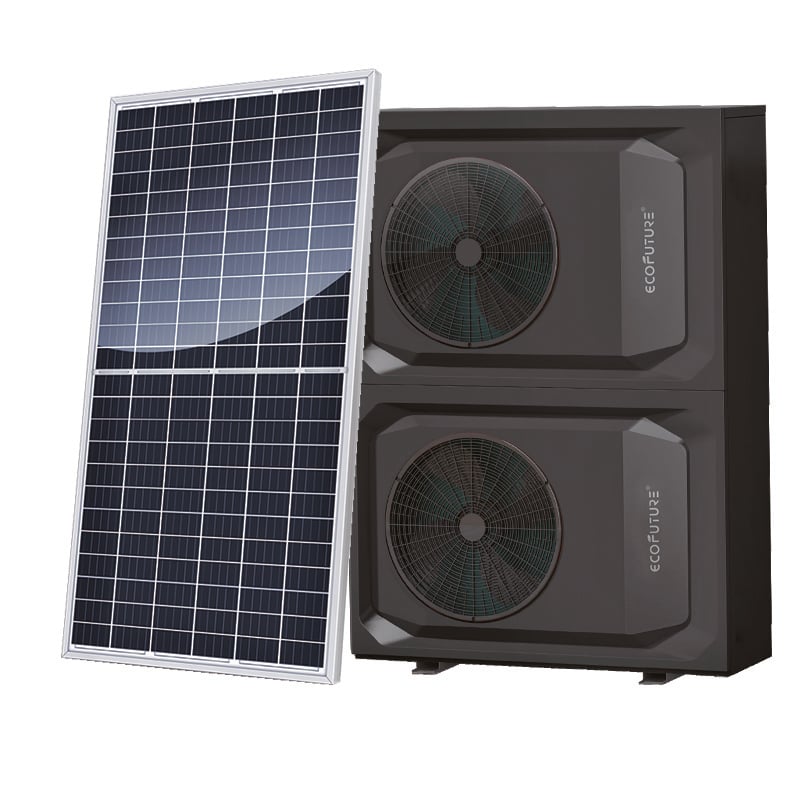
Home heating heat pumps are an essential component for efficient and sustainable residential and commercial air source heat pumps. They work by transferring heat from the outside air into a building, providing an eco-friendly alternative to traditional heating methods. For B2B buyers, such as purchasing managers and project engineers, selecting the right home heating heat pump involves understanding specifications, application suitability, and long-term operational costs. This heating capacity article will guide you through the critical factors in choosing, sourcing, and maintaining air and water heat pump effectively.
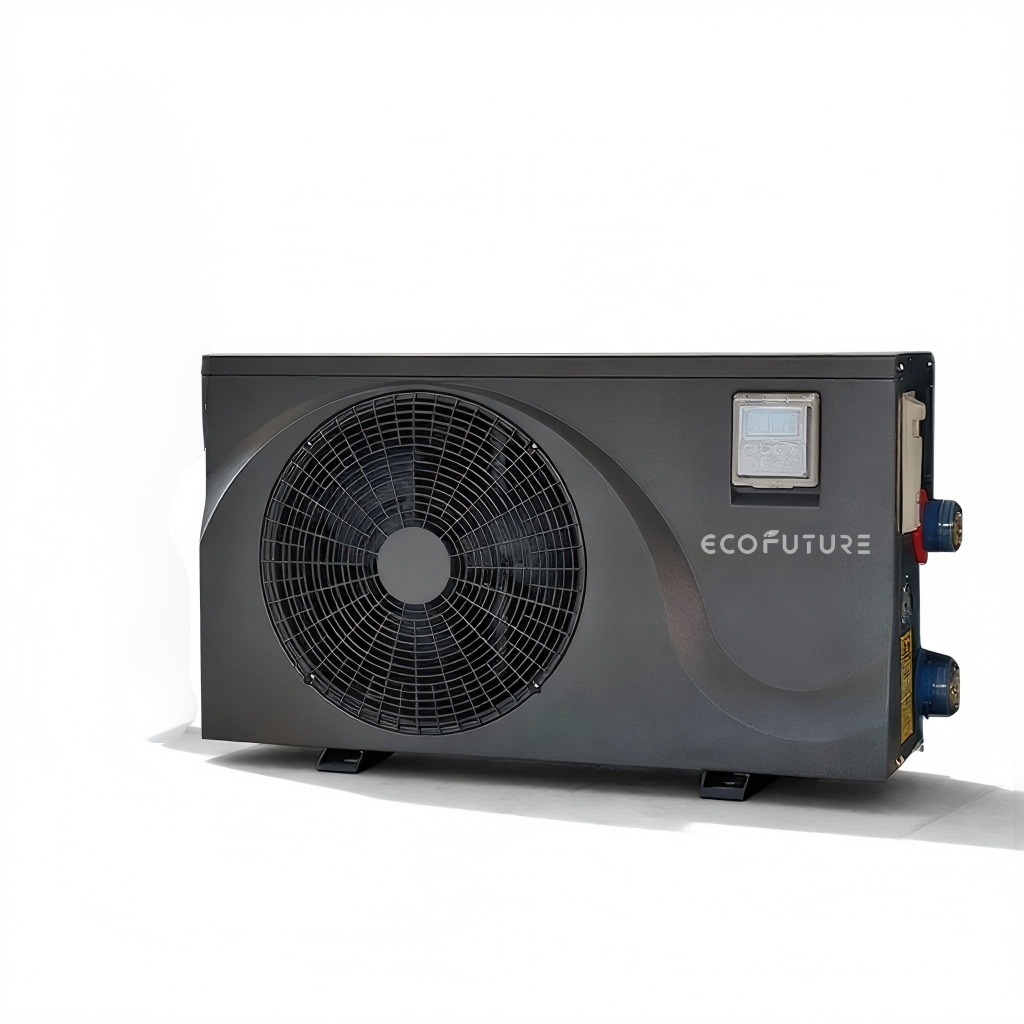
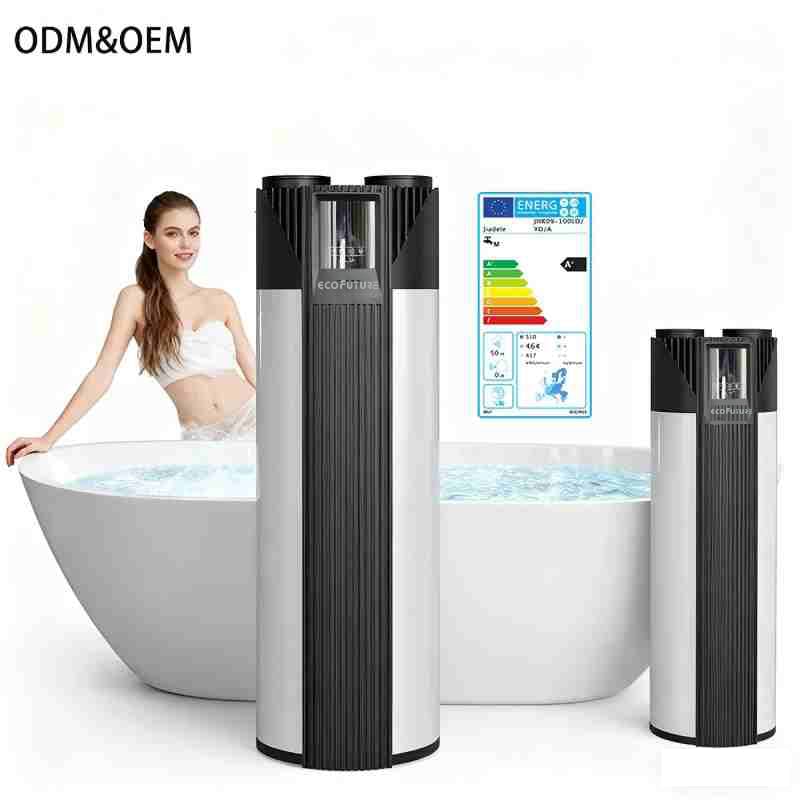
A Comprehensive Overview
Home heating heat pumps function by extracting heat from the air or ground and transferring it indoors, making them a viable option for both heating capacity and cooling. The main types include air-source, ground-source (or geothermal), and home heating heat pump. Each type has its pros and cons.
Air-source heat pumps are easier to install and generally less expensive, but their efficiency can decrease in very low temperatures. Ground-source heat pumps have higher upfront costs and require more extensive installation but are known for their reliability and consistent performance across a wider range of temperatures. Water-source heat pumps are less commonly used but can be very effective in areas with access to lakes or wells.
When evaluating specific models, examine their construction materials, performance ratings, and certifications such as CE, RoHS, and ISO, which indicate adherence to international quality and efficiency standards.