 EN
 AR
 BG
 HR
 CS
 DA
 NL
 FI
 FR
 DE
 EL
 HI
 IT
 JA
 KO
 NO
 PL
 PT
 RO
 RU
 ES
 SV
 ID
 LV
 LT
 SR
 SK
 SL
 UK
 VI
 SQ
 ET
 HU
 TH
 TR
 MS
 HY
 HA
 LO
 MY
Evaluating of an air source heat pump cost involves understanding various factors that influence pricing, such as capacity, efficiency, and installation problems requirements. For B2B buyers—like purchasing managers and engineers—making informed decisions requires a detailed grasp of these elements. This article provides insights into how to evaluate air source heat pump costs, key specifications to consider, sourcing reliable suppliers, common installation problems challenges, and the quality standards that govern these systems.
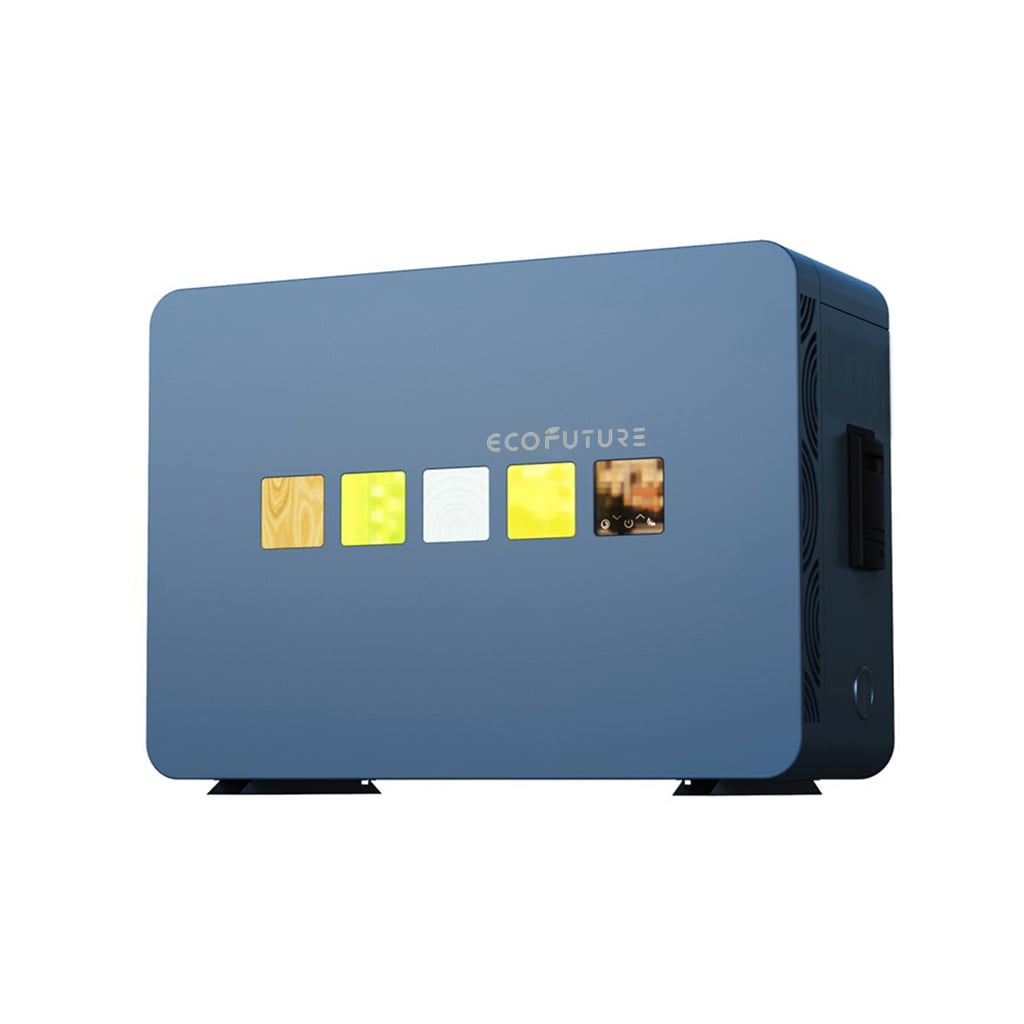
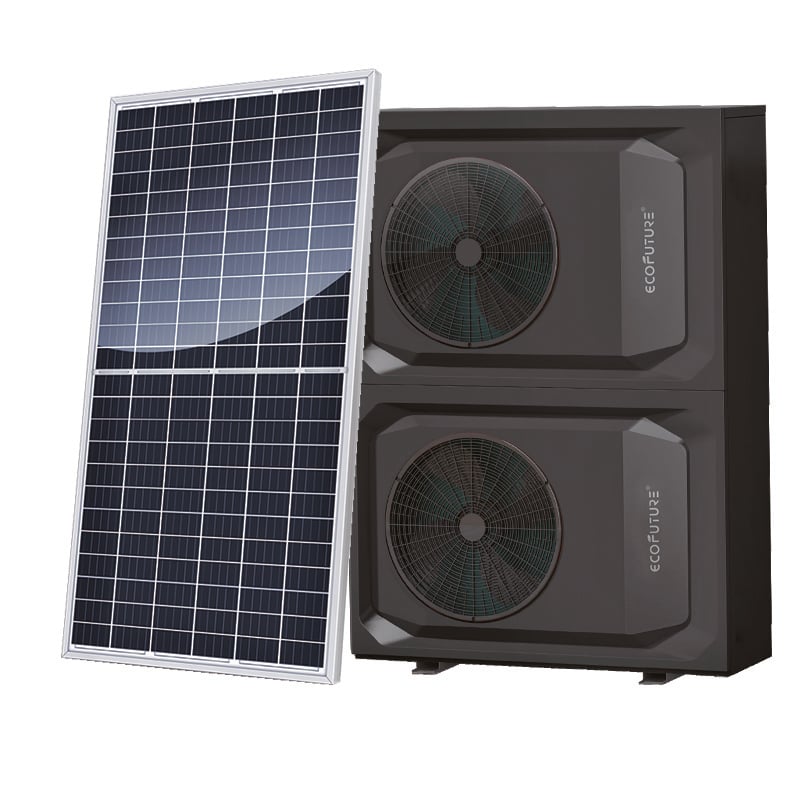
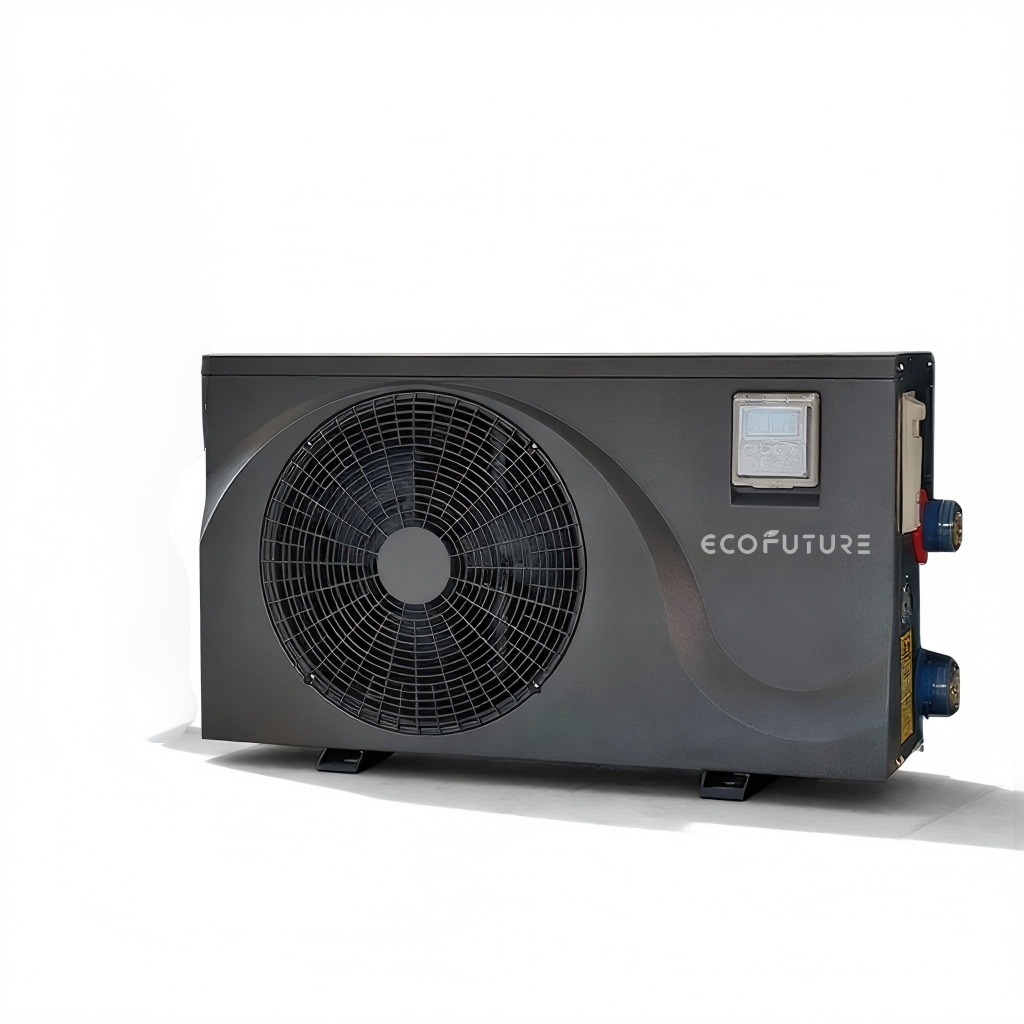
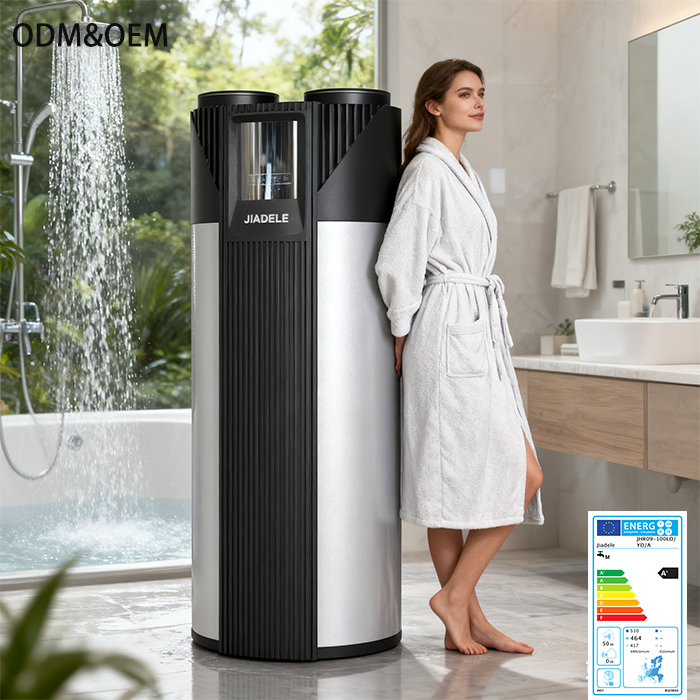
Key Specifications to Consider When Sourcing Air Source Heat Pumps
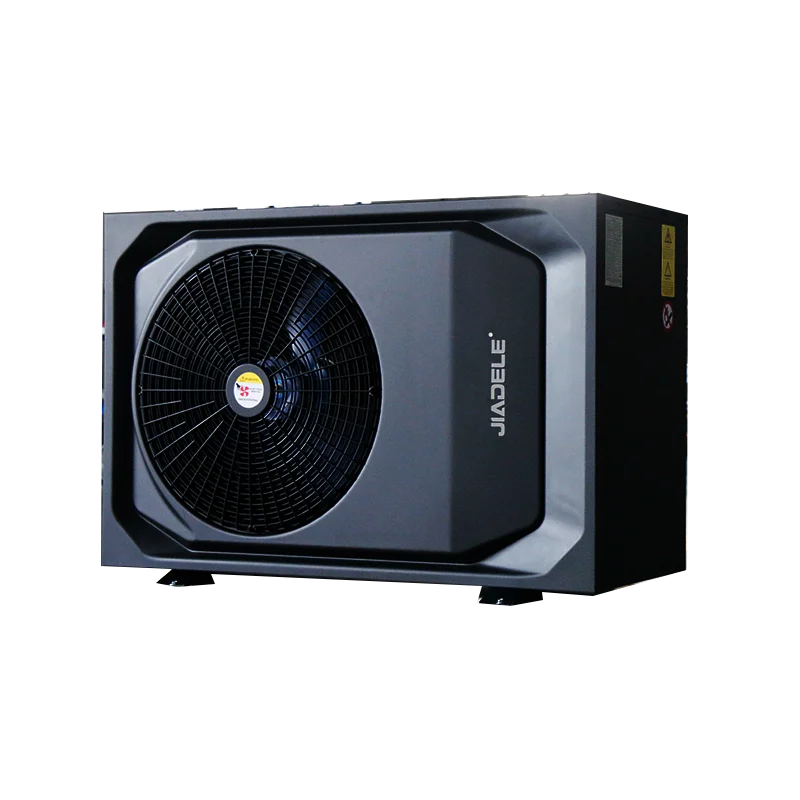
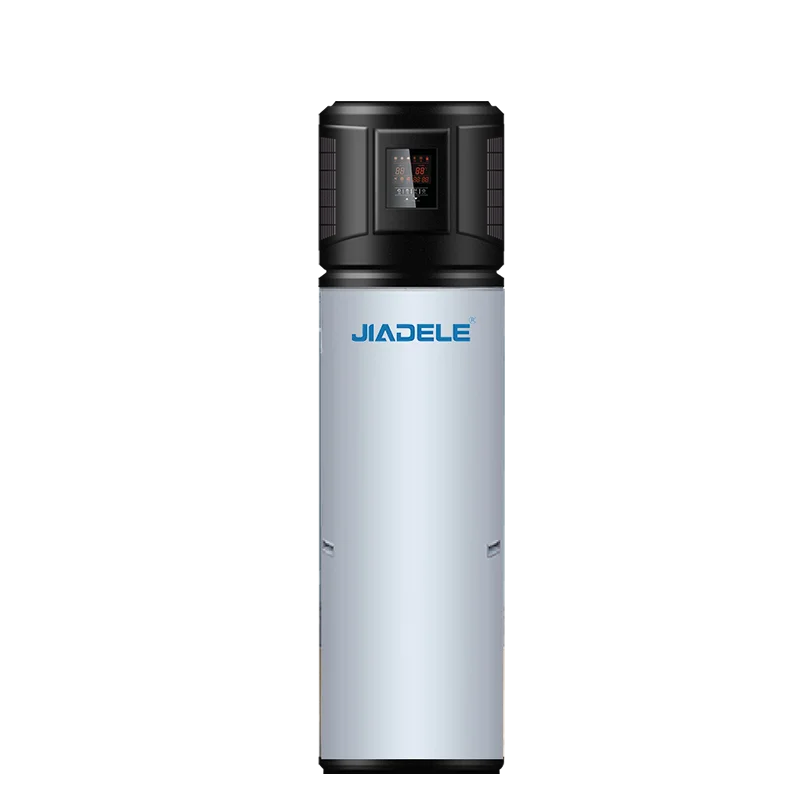
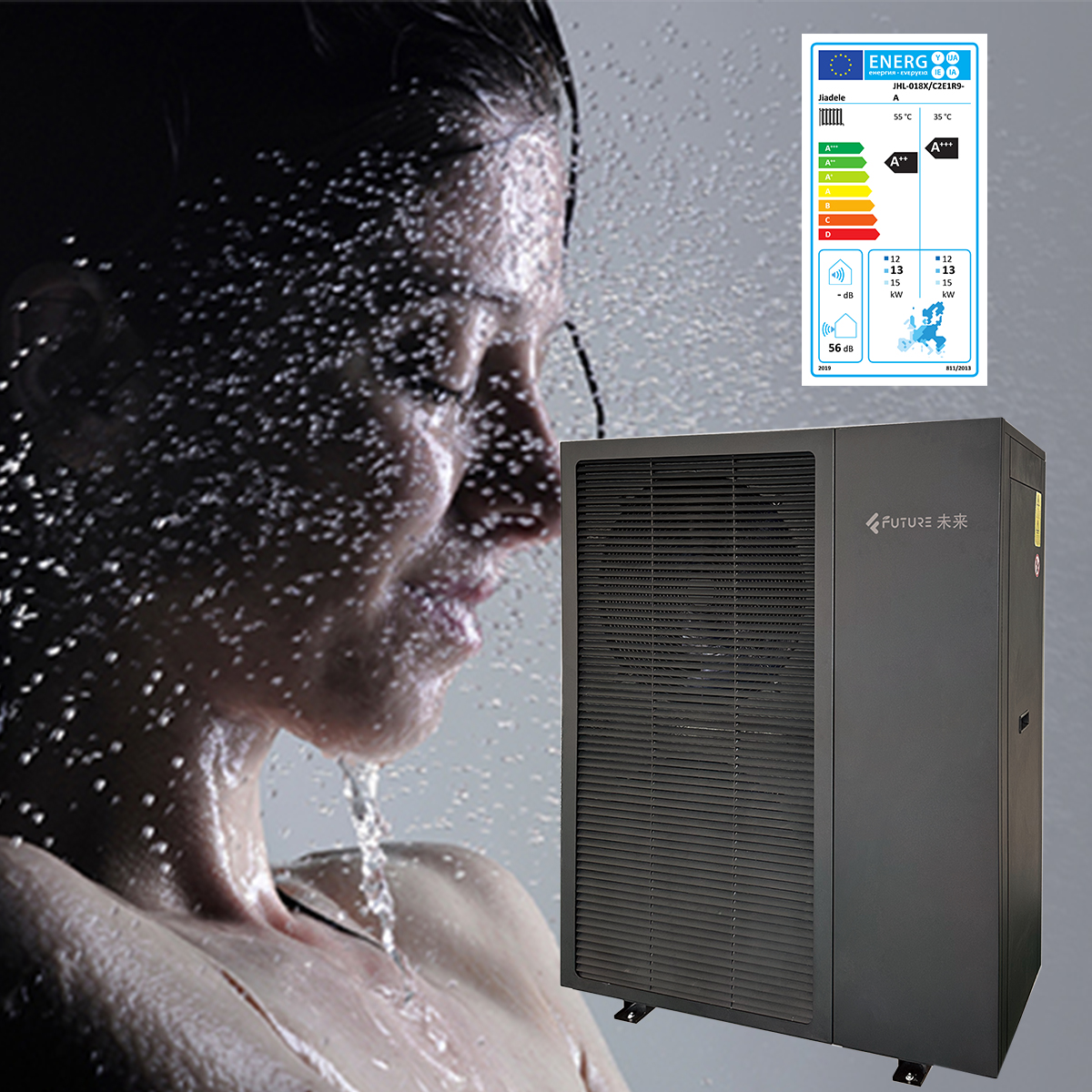
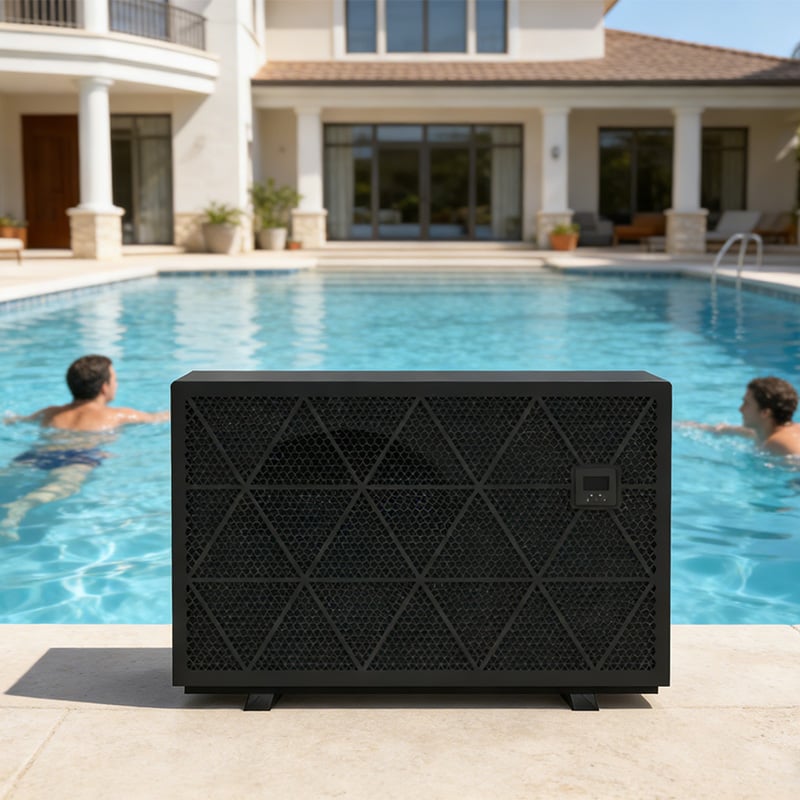
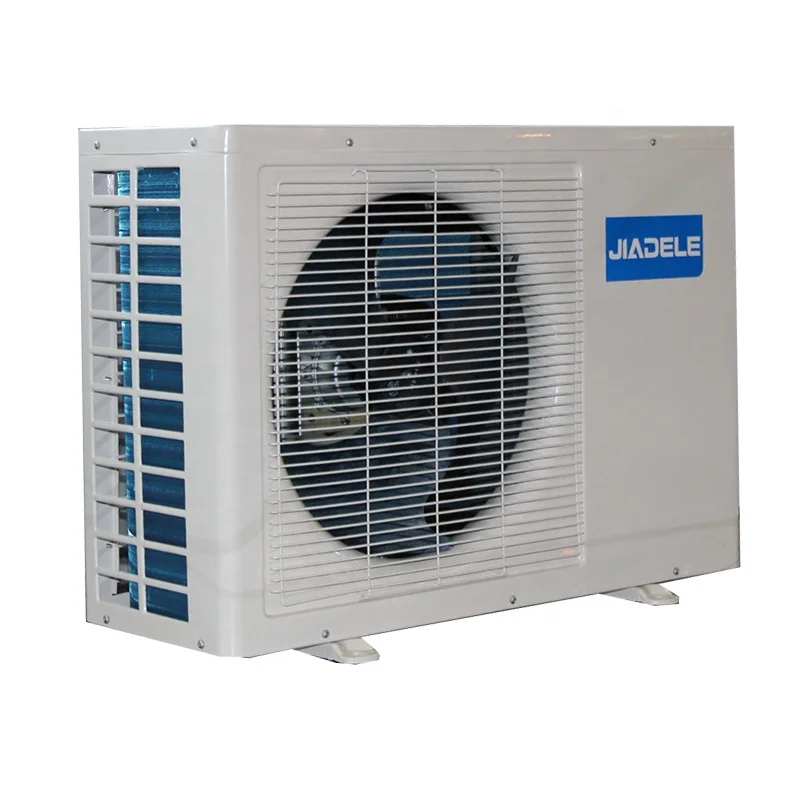
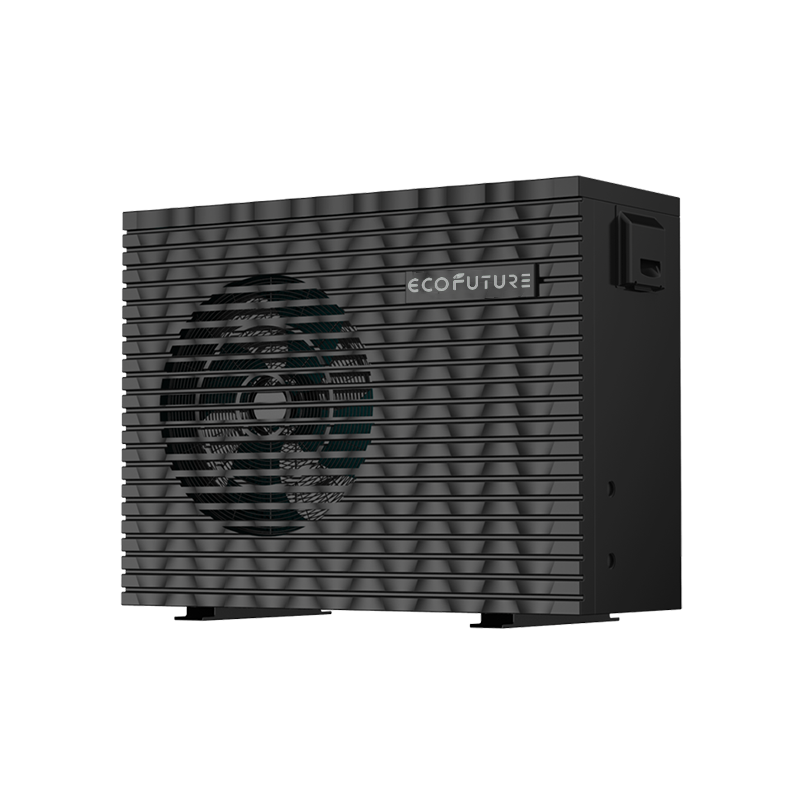
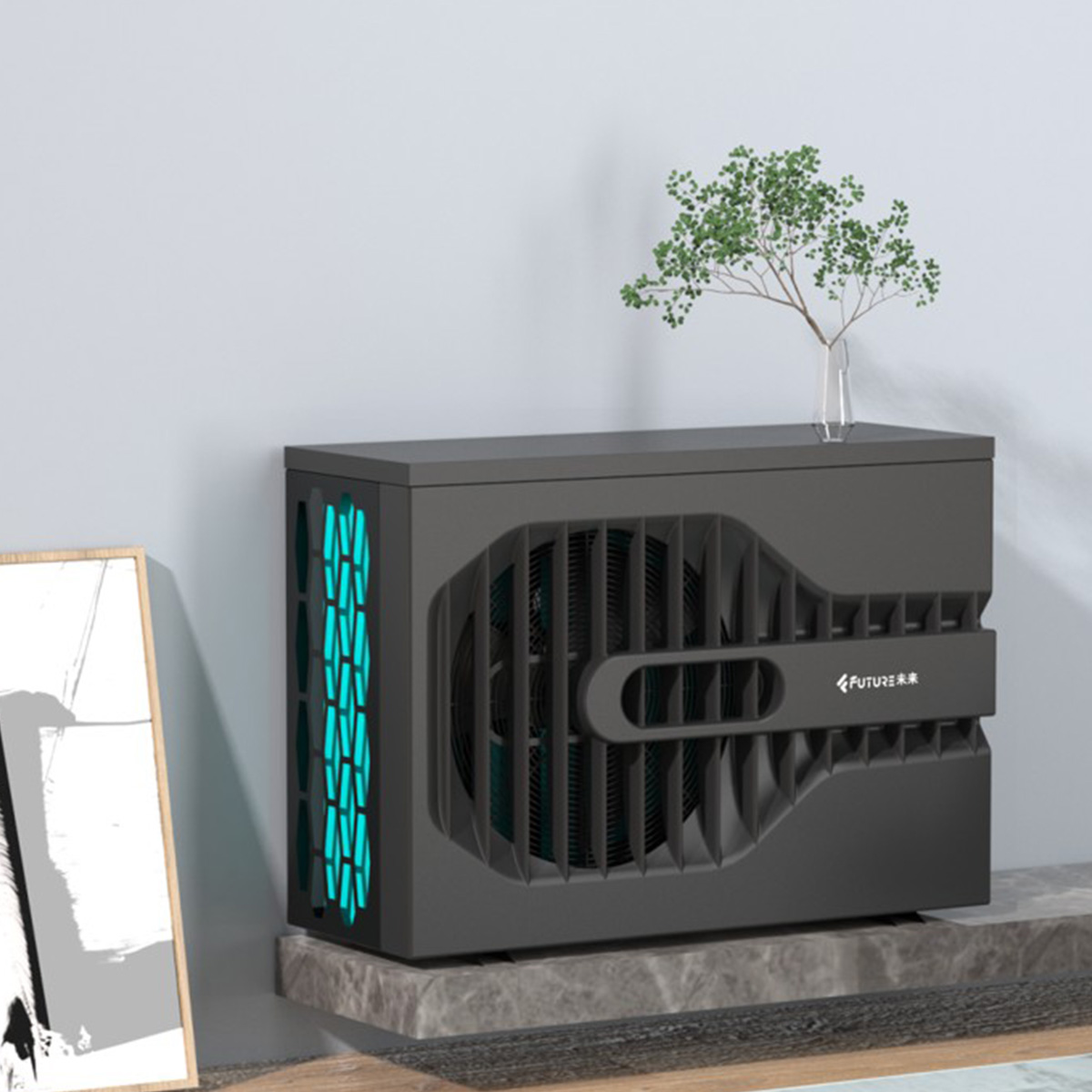
When sourcing air source heat pumps, several specifications are critical for ensuring you choose the right unit for your application. Heating Capacity: Measured in BTUs (British Thermal Units), this determines how much heat the pump can provide. It's essential to match this capacity to the heating needs of your space to avoid inefficiencies. Efficiency Ratings: Look for the Seasonal Energy Efficiency Ratio (SEER) and Heating Seasonal Performance Factor (HSPF). Higher ratings indicate more efficient units that can save on energy air source heat pump costs over time. Noise Levels: The sound output of the unit is measured in decibels (dB). For commercial applications, quieter units may be preferred to maintain a comfortable environment. Refrigerant Type: Modern heat pumps often use eco-friendly refrigerants with low global warming potential. Confirm the refrigerant type as it can affect both efficiency and environmental impact. Size and Dimensions: Ensure that the physical dimensions of the heat pump will fit within your installation problems space, allowing for proper airflow and maintenance access. Understanding these specifications will help you assess which products align with your project needs and budget.