 EN
 AR
 BG
 HR
 CS
 DA
 NL
 FI
 FR
 DE
 EL
 HI
 IT
 JA
 KO
 NO
 PL
 PT
 RO
 RU
 ES
 SV
 ID
 LV
 LT
 SR
 SK
 SL
 UK
 VI
 SQ
 ET
 HU
 TH
 TR
 MS
 HY
 HA
 LO
 MY
Industrial air conditioners are vital components in maintaining optimal working conditions in various commercial and industrial environments. These systems are designed to effectively cool large spaces, ensuring that equipment operates efficiently and employees remain comfortable. As a purchasing manager or engineer, understanding the key aspects of industrial air conditioners—such as specifications, applications, and quality standards—is crucial for making informed decisions. This industrial air conditioner article will guide you through essential considerations when choosing an industrial ac, helping you select the right system for your business needs.
How to Compare Specifications of Industrial Air Conditioners
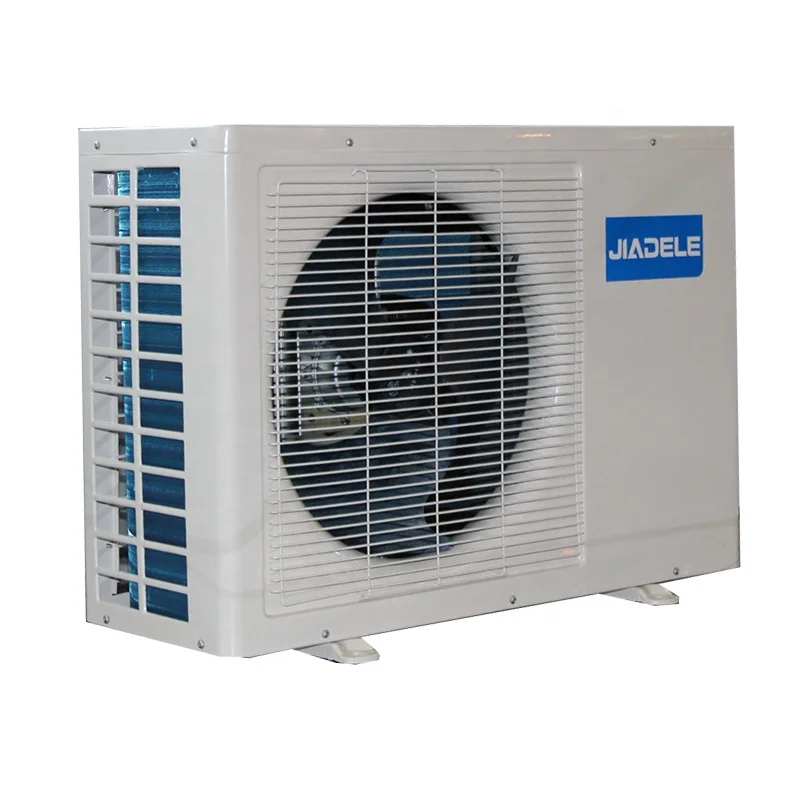
To effectively compare different JIADELE industrial air conditioners, focus on the following specifications:
Cooling Capacity (BTUs): Evaluate the cooling power of each unit relative to your space requirements. Ensure that the BTU rating aligns with the calculated needs of your environment.
Power Consumption (kW): Assess the electrical power requirements of the units. This will help you estimate energy costs and determine if the existing electrical infrastructure can support the new equipment.
Refrigerant Type: The type of refrigerant used can impact efficiency and environmental compliance. Modern systems often use refrigerants with lower global warming potential (GWP), such as R-410A or R-32.
Temperature Range: Look at the operational temperature range of the industrial air conditioner. Ensure it can handle the maximum temperature your facility may experience.
Control Options: Consider the technology available for controlling the system, such as programmable thermostats or smart controls, which can enhance energy savings and ease of use.