 EN
 AR
 BG
 HR
 CS
 DA
 NL
 FI
 FR
 DE
 EL
 HI
 IT
 JA
 KO
 NO
 PL
 PT
 RO
 RU
 ES
 SV
 ID
 LV
 LT
 SR
 SK
 SL
 UK
 VI
 SQ
 ET
 HU
 TH
 TR
 MS
 HY
 HA
 LO
 MY
Stainless steel buffer tanks play a critical role in renewable energy systems, offering efficient thermal storage for heating applications. As a B2B buyer, understanding the factors that impact the cost, installation, and quality of these tanks is essential for making informed purchasing decisions. This article will delve into the cost factors associated with stainless steel buffer tanks, common installation challenges and their solutions, quality evaluation criteria, applications in renewable energy systems, and how to compare different tanks for bulk orders.
Common Installation Problems with Stainless Steel Buffer Tanks and Solutions
Installing stainless steel buffer tanks can present several challenges that may affect their performance and lifespan. One common issue arises from improper sealing during installation, which can lead to leaks. To mitigate this, it is crucial to ensure that all joints and connections are appropriately sealed and that the installation is conducted by experienced professionals.
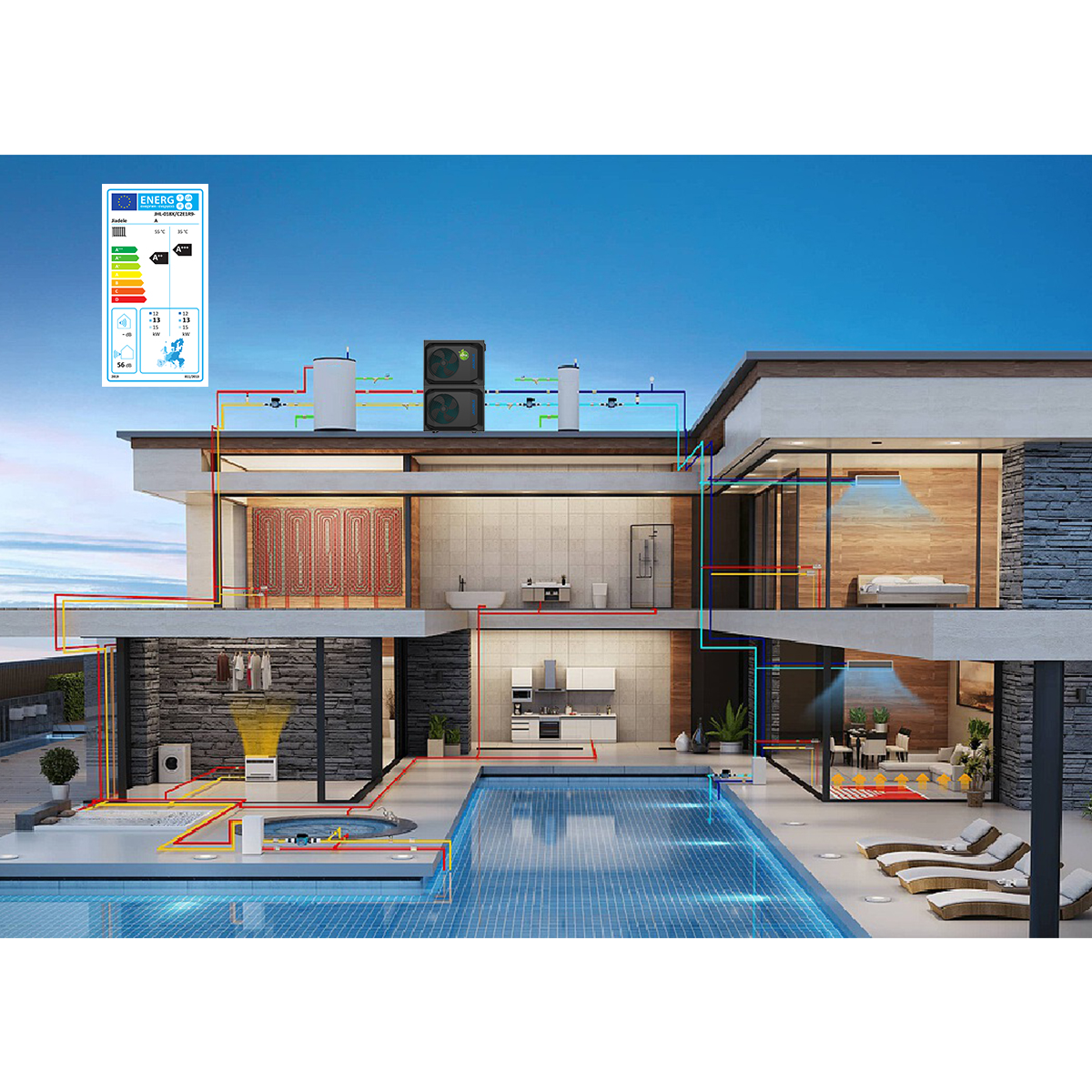
Another challenge can be the incorrect placement of the tank in relation to other heating elements. If the tank is not positioned optimally, it can lead to inefficient heating or cooling cycles. Buyers should work closely with engineers to determine the best installation layout, considering factors such as accessibility for maintenance and alignment with existing systems.
In some cases, inadequate insulation can result in heat loss, reducing the tank's efficiency. Buyers should ensure that the tank is equipped with suitable insulation materials and thickness, tailored to their specific operational environment. By addressing these common installation problems proactively, buyers can enhance the operational efficiency and longevity of their stainless steel buffer tanks.