 EN
 AR
 BG
 HR
 CS
 DA
 NL
 FI
 FR
 DE
 EL
 HI
 IT
 JA
 KO
 NO
 PL
 PT
 RO
 RU
 ES
 SV
 ID
 LV
 LT
 SR
 SK
 SL
 UK
 VI
 SQ
 ET
 HU
 TH
 TR
 MS
 HY
 HA
 LO
 MY
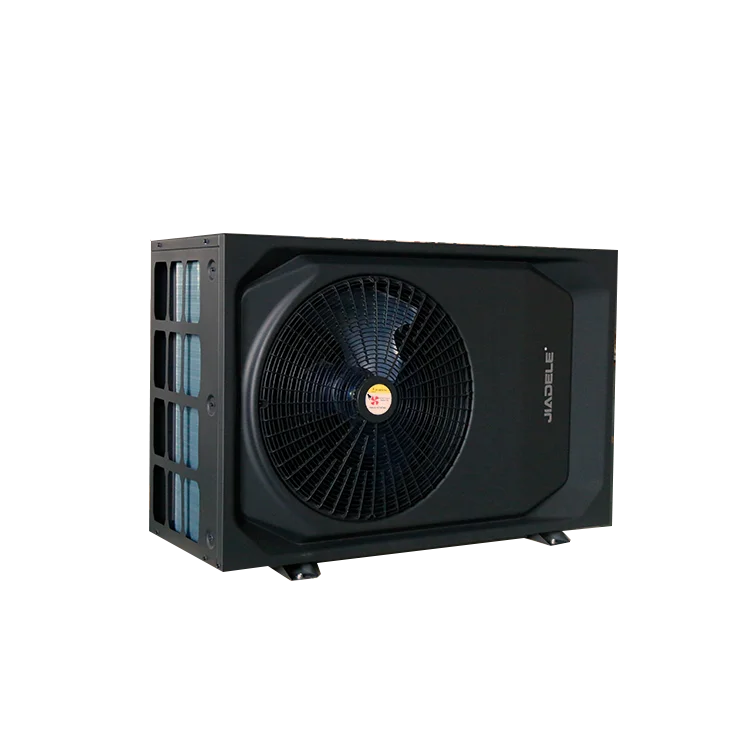
When selecting a heat pump buffer tank for your commercial or residential projects, understanding the various features and specifications is crucial. A heat pump buffer tank plays a significant role in optimizing the performance of heating systems by storing thermal energy. This article will address common concerns among B2B buyers, including specifications, installation challenges, material comparisons, and quality control processes. By the end of this piece, you will have a clearer perspective on how to choose the right heat pump buffer tanks to enhance your heating solutions.
What You Need
Before placing an order for a heat pump buffer tank, gather essential information that will streamline your purchasing process. Key specifications to consider include:
Capacity: Ensure that the tank’s storage volume aligns with your thermal load requirements.
Dimensions: Measure the installation space to confirm that the tank fits comfortably.
Material specifications: Choose materials based on durability, thermal efficiency, and potential exposure to environmental factors.
Connections and fittings: Verify that the tank's inlet and outlet connections match your heating system to avoid compatibility issues.
Additionally, consider any customization needs, such as specific insulation requirements or additional ports for system integration. Providing this heat pump dhw information upfront will facilitate a smoother RFQ process and may lead to better pricing and shorter lead times.