 EN
 AR
 BG
 HR
 CS
 DA
 NL
 FI
 FR
 DE
 EL
 HI
 IT
 JA
 KO
 NO
 PL
 PT
 RO
 RU
 ES
 SV
 ID
 LV
 LT
 SR
 SK
 SL
 UK
 VI
 SQ
 ET
 HU
 TH
 TR
 MS
 HY
 HA
 LO
 MY
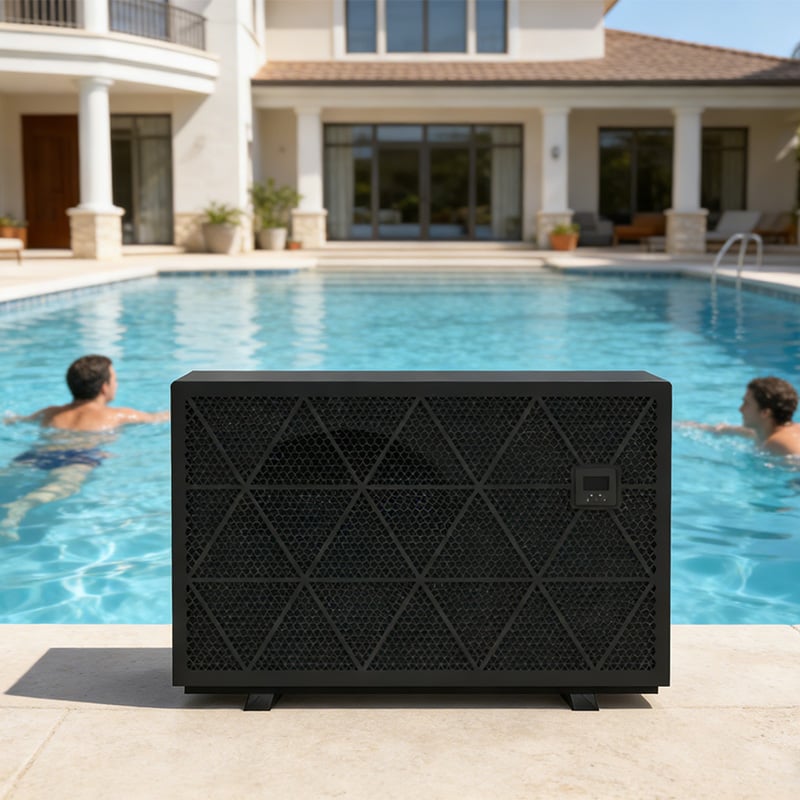
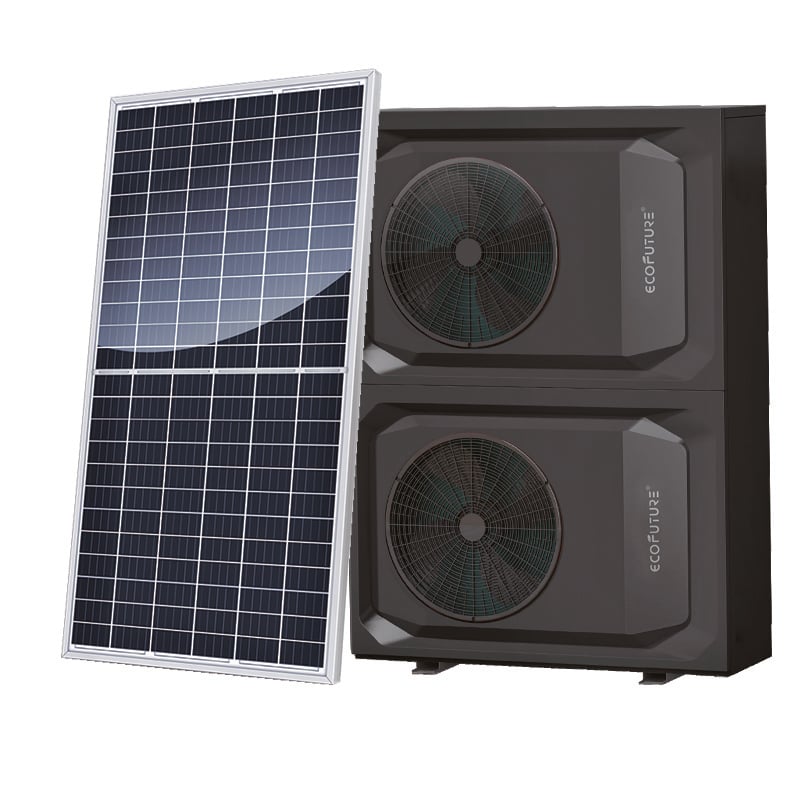
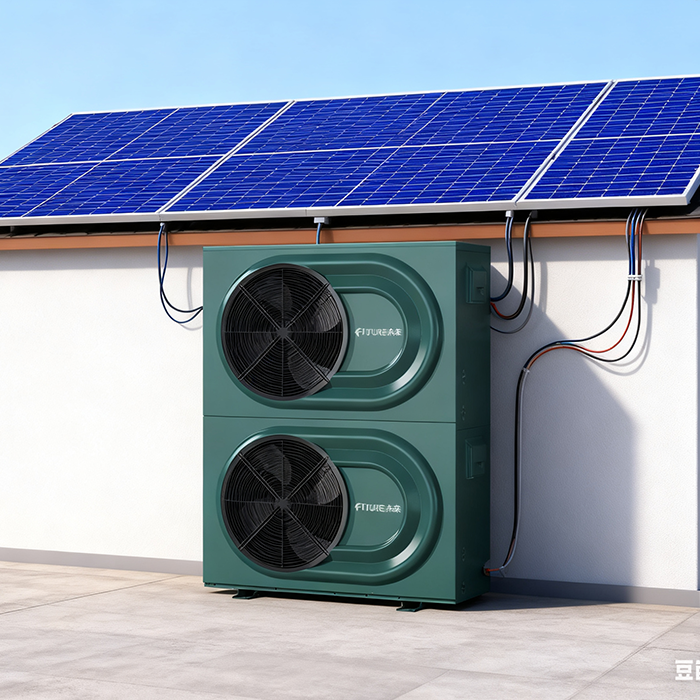
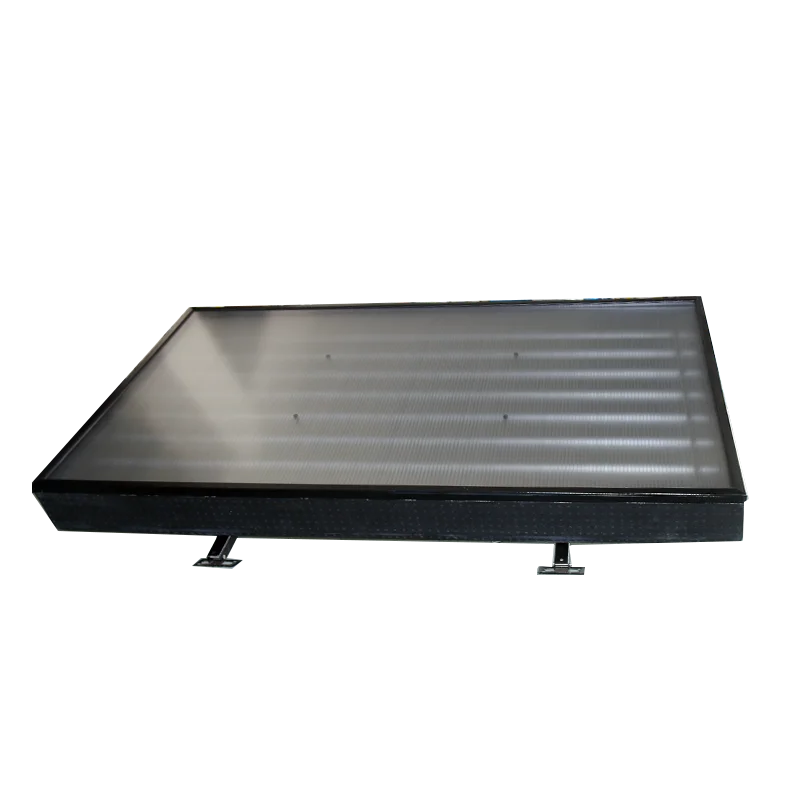
When selecting a water heating heat pump, it's essential to consider various factors to ensure optimal performance and efficiency in your application. A water heating heat pump utilizes renewable energy sources to heat water, making it an ideal choice for both residential and commercial settings. Buyers often have concerns about product key specifications, installation requirements, and supplier reliability. This article will help you navigate these considerations, providing insights into choosing the right supplier, evaluating key specifications, understanding installation requirements needs, and addressing common challenges.


Key Specifications to Evaluate for Water Heating Heat Pumps
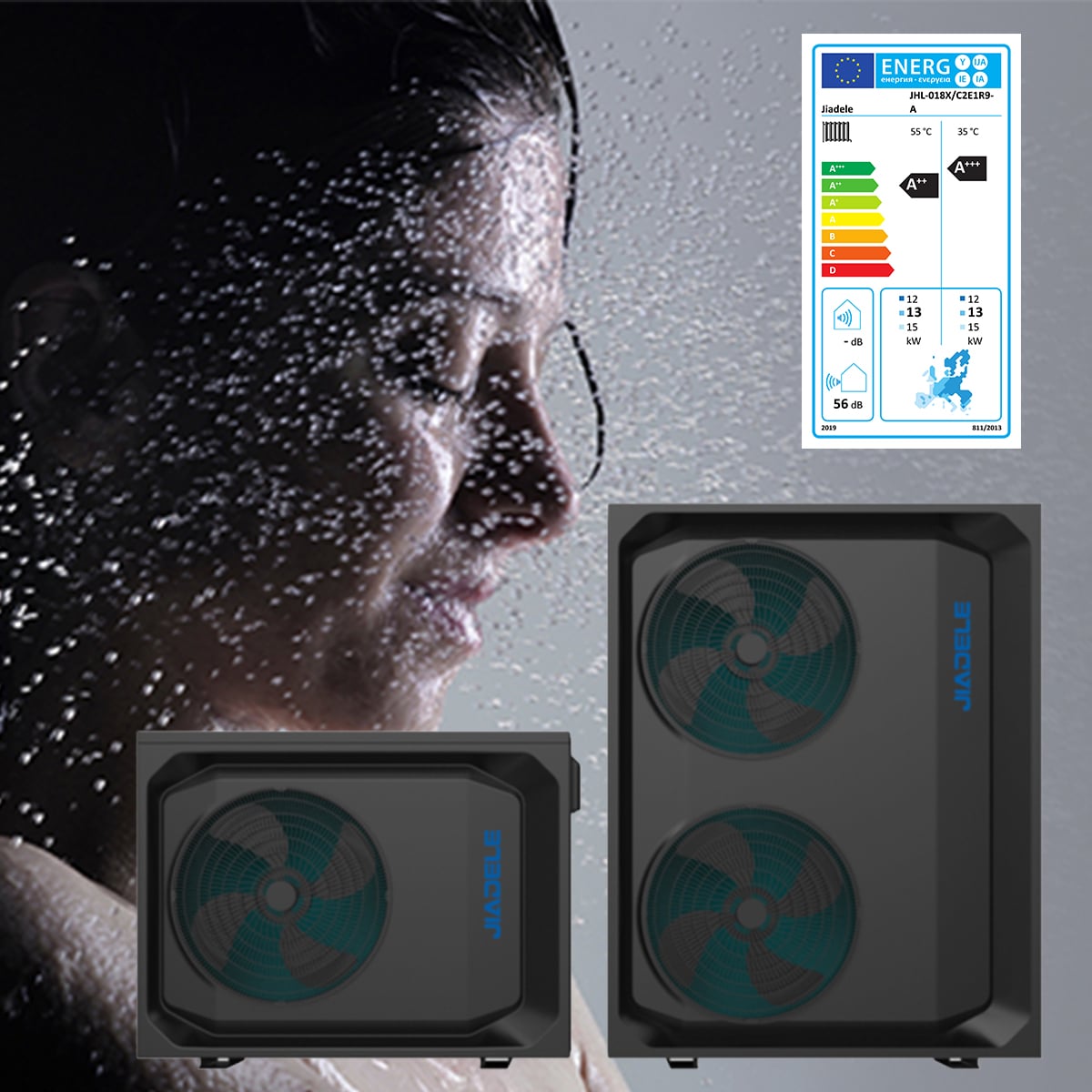
When choosing a water heating heat pump, several key specifications are critical to evaluating performance and suitability for your application: Heating Capacity: Measured in kilowatts (kW), this indicates the amount of heat the pump can deliver. Ensure the capacity aligns with your heating demands to avoid inefficiency. Coefficient of Performance (COP): This ratio measures the heat output versus energy input. A higher COP indicates better efficiency, which translates to lower operational costs. Noise Level: For residential applications, noise levels (measured in decibels) are crucial. Ensure the heat pump operates quietly to maintain a comfortable environment. Refrigerant Type: Different refrigerants have varying environmental impacts. Check if the supplier uses eco-friendly options that comply with regulations. Temperature Range: Evaluate the operational temperature range to ensure it meets your specific climate conditions and application requirements. By understanding these key specifications, you can better assess which water heating heat pump best fits your needs, ensuring long-term efficiency and reliability.