 EN
 AR
 BG
 HR
 CS
 DA
 NL
 FI
 FR
 DE
 EL
 HI
 IT
 JA
 KO
 NO
 PL
 PT
 RO
 RU
 ES
 SV
 ID
 LV
 LT
 SR
 SK
 SL
 UK
 VI
 SQ
 ET
 HU
 TH
 TR
 MS
 HY
 HA
 LO
 MY
In recent years, solar powered water heaters have emerged as a sustainable solution for both residential and commercial applications. These systems harness solar energy to efficiently heat water, providing an eco-friendly alternative to traditional heating methods. For B2B buyers, key concerns often revolve around product specifications, installation problems requirements, and long-term performance. This article aims to guide purchasing managers, distributors, and engineers in making informed decisions about solar powered water heaters by exploring critical selection criteria and practical considerations.
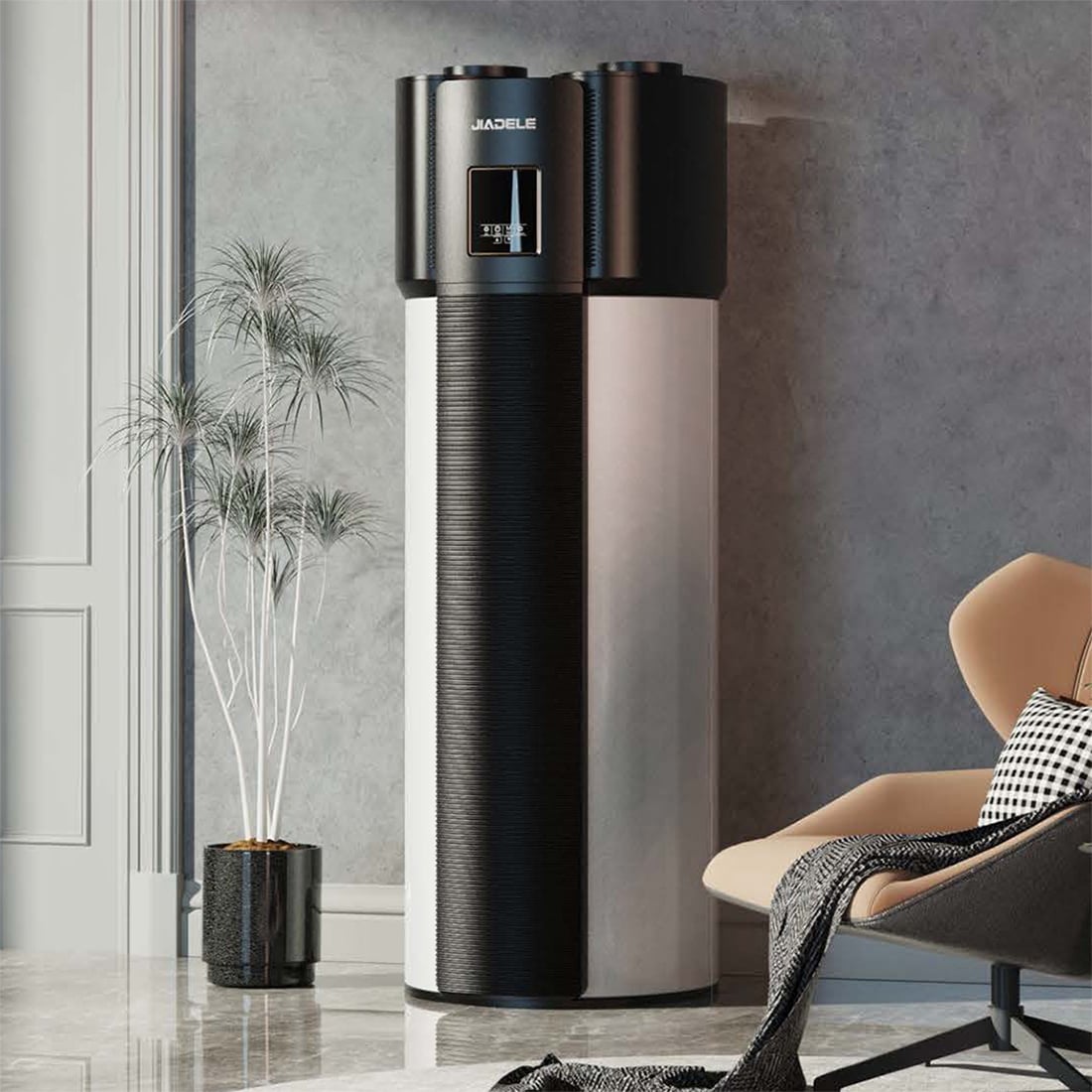
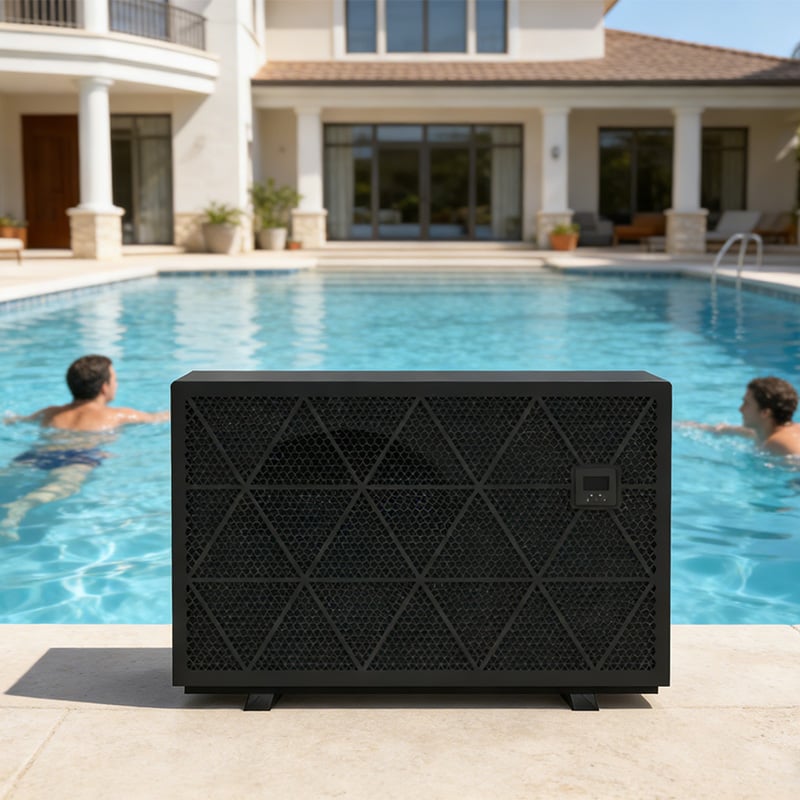
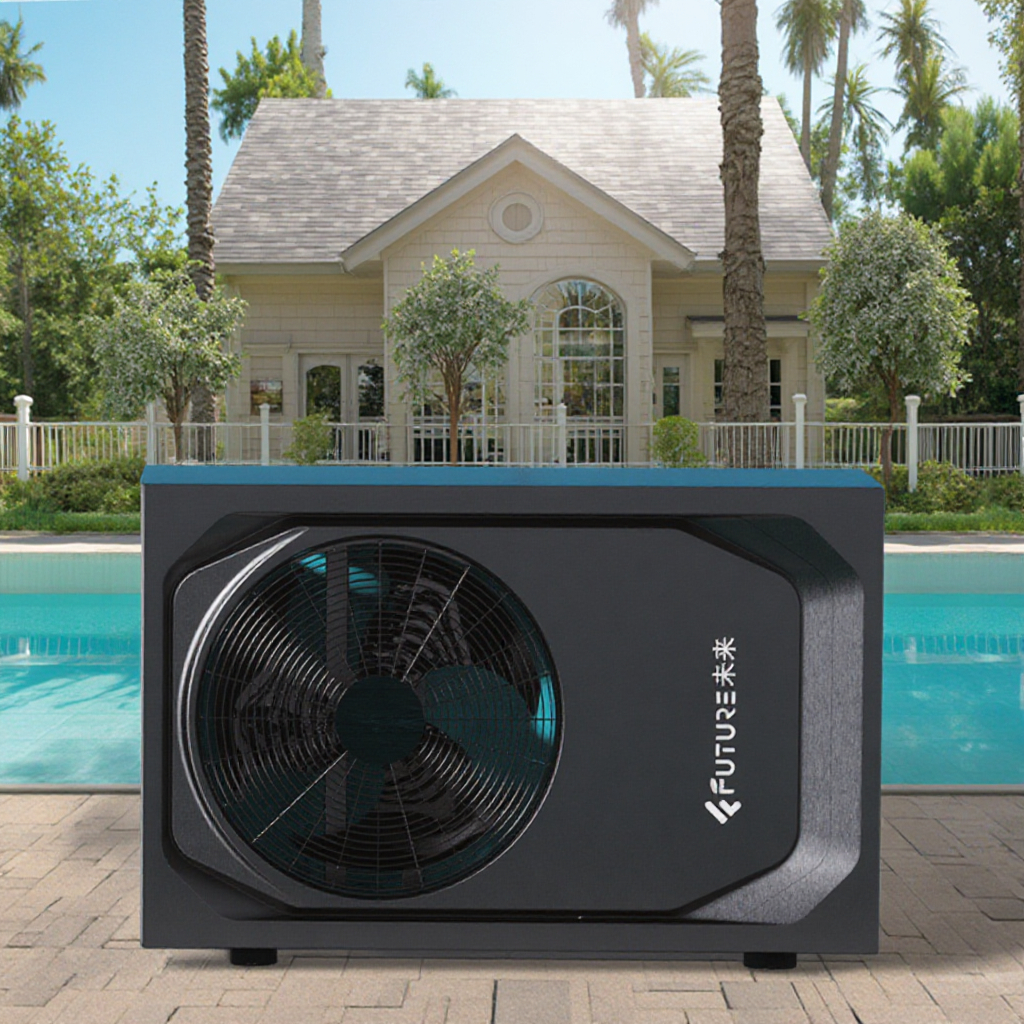
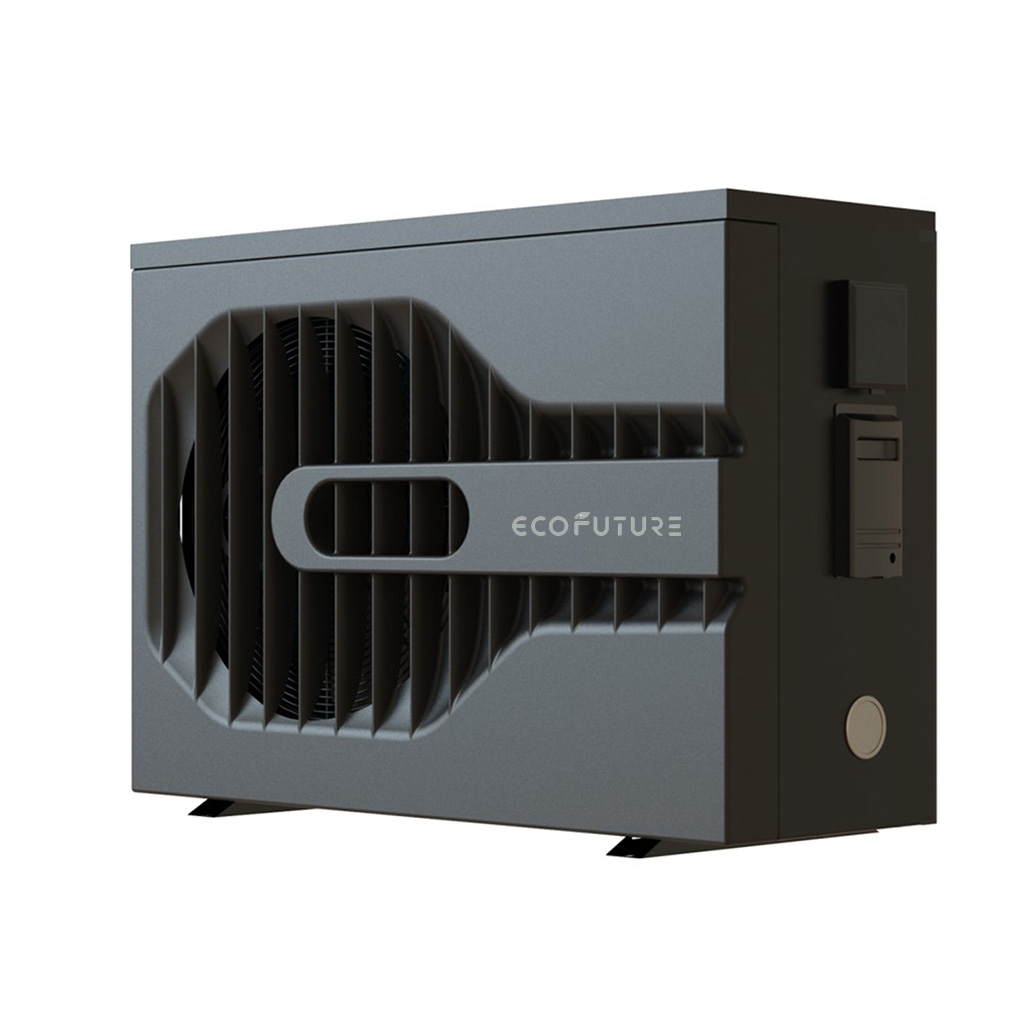
Top Specifications to Compare in Solar Powered Water Heaters
When comparing solar powered water heaters, focus on the following specifications to ensure optimal performance:
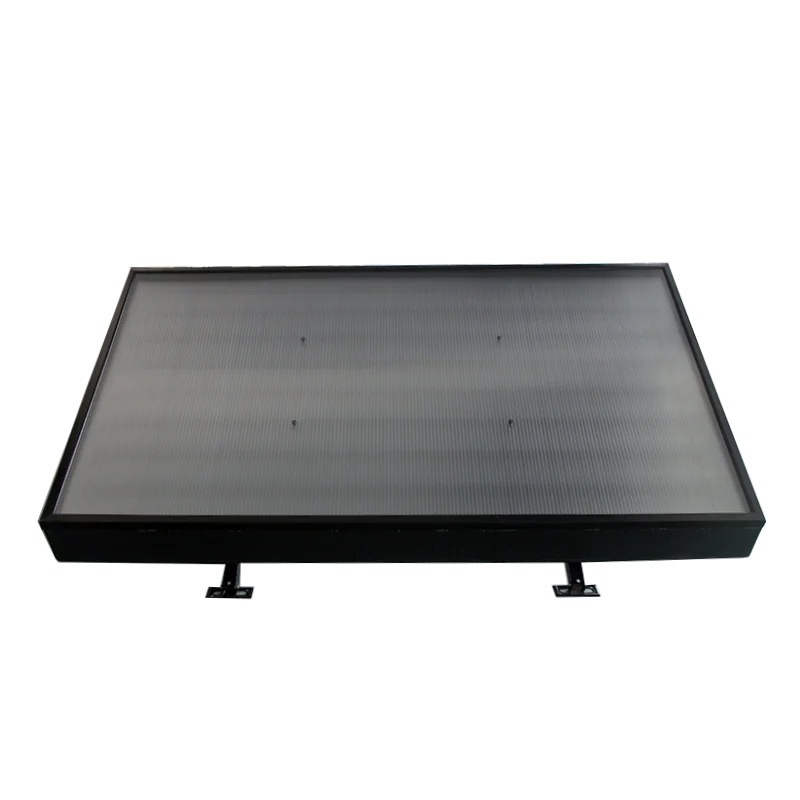
Collector Type: Choose between flat-plate collectors and evacuated tube collectors. Flat-plate collectors are cost-effective and efficient in moderate climates, whereas evacuated tube collectors excel in colder conditions due to their superior insulation.
Tank Insulation: Look for tanks with high-quality insulation materials, such as polyurethane foam. Good insulation minimizes heat loss, improving efficiency.
Heat Transfer Fluid: Determine whether the solar water heater system uses water or a non-freezing fluid like propylene glycol for heat transfer. Non-freezing fluids are preferable in colder climates to prevent damage.
Durability and Materials: Investigate the materials used in both the collectors and the storage tanks. Stainless steel and copper are commonly used for their durability and resistance to corrosion, while plastic components should be UV-resistant.
Warranty and Certifications: Ensure that the product has relevant certifications, such as CE or ISO, and offers a comprehensive warranty. This indicates the manufacturer’s confidence in the product’s longevity and performance.