Choosing the Right Hydronic Buffer Tank

All Categories

hydronic buffer tank

Hydronic buffer  tanks play a crucial  role in optimizing the efficiency of  heating  systems,  particularly  in  applications that utilize renewable energy sources like solar  water  heaters  and heat pumps. Understanding the  importance of selecting the right hydronic buffer tank  can significantly impact system  performance,  energy savings, and overall user satisfaction. This article will address critical buyer  concerns  regarding specifications,  quality assurance, and  supplier evaluation, equipping you with  the knowledge needed  to make informed purchasing decisions.

Reliable Suppliers for Hydronic Buffer Tanks

Finding a reputable  supplier for  hydronic buffer tanks is crucial for ensuring quality and reliability. Look for manufacturers  with a solid  reputation in the industry, such as Zhejiang Jiadele Technology Co., Ltd. Established in 2000, Jiadele has been at the  forefront of renewable energy heating solutions, offering a wide range  of products, including solar water  heaters and heat pumps.

When evaluating potential suppliers, consider their certifications and compliance with international standards, such as CE, RoHS, and ISO. These certifications  indicate adherence to quality management systems and  product safety. Additionally, verify the supplier's production capabilities and experience with hydronic buffer tanks.  A supplier with extensive industry experience will  likely  have refined manufacturing processes and quality  control measures in place.

Lastly, request references or  case studies  from previous clients to assess the supplier's performance and customer  service. This  will provide  valuable insight into their reliability and ability  to meet  your project requirements.
Key Specifications to Evaluate in Hydronic Buffer Tanks

When assessing hydronic buffer tanks, pay attention to several key specifications  that directly influence performance:

Material: The tank's construction  material affects durability and thermal efficiency.  Common materials  include  carbon steel and  stainless steel, with stainless steel offering enhanced corrosion resistance, making it ideal for systems that may experience  moisture or chemical exposure.

Insulation: Quality insulation minimizes heat loss,  which is vital for maintaining  system efficiency. Look for tanks with high-density foam  insulation or other advanced insulating materials.

Dimensions:  Ensure the tank's size fits your space and installation requirements. Consider both height and  diameter, as well as additional clearance for connections and maintenance access.

Pressure and Temperature Ratings: The tank must handle  the operational demands of your heating system. Confirm  the maximum pressure and temperature ratings  align with your system's specifications.

Connections and Fittings: Check the types of connections available and ensure they are compatible with your existing  piping. Standard connections  include threaded, flanged, or welded fittings.


By thoroughly evaluating  these specifications, you can ensure that the  hydronic buffer tank meets your project's operational and performance requirements.

What to Look For

When purchasing a hydronic  buffer  tank, there are several  important  aspects to consider beyond  the basic specifications. First, assess the manufacturer's quality control processes. A reliable manufacturer should  have rigorous testing protocols to ensure each tank meets the required standards  before it reaches the market.

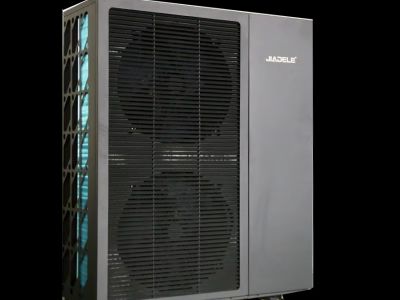
Additionally, consider customization capabilities. Depending on your project's specific  needs, you may require a tank  with unique dimensions, fittings, or insulation properties. A manufacturer that offers customization  can better accommodate your requirements, such as the options available with the R32 heating cooling DHW solar heat pump air source.


Another factor is the minimum order quantity (MOQ). For larger projects, confirm whether  the supplier can meet your quantity needs  without compromising quality or extending lead times. This is particularly important in projects that require multiple tanks or have tight deadlines.

Finally,  review the warranty and  after-sales support offered by  the manufacturer.  A  robust warranty indicates the manufacturer's confidence in  their product and provides peace of mind for your investment.


How to Ensure Quality When Purchasing Hydronic Buffer Tanks

Ensuring the quality of  hydronic buffer tanks is critical to the success of your  heating system. Start  by requesting detailed product specifications and  data sheets from the  manufacturer,  which should include information on materials, dimensions, and performance metrics.

Inspecting a sample  tank can also help verify  quality.  Before committing to a bulk order, request a  sample for evaluation. During inspection, check for weld integrity, surface finish, and overall construction quality. Ensure the sample meets  the specifications you require and perform any necessary tests under simulated operational conditions.

Additionally, confirm that the manufacturer adheres to recognized quality management standards. Regular audits and  certifications  from third-party organizations can provide assurance  that the manufacturer  maintains high-quality  production practices.

Finally, communicate with the supplier throughout the purchasing process. Establish  clear expectations regarding delivery timelines, packaging, and logistics to avoid any issues that could compromise the  quality of the tanks upon arrival.

By following these guidelines, you can help ensure that the hydronic buffer tanks you  procure will meet  your operational demands and contribute to the efficiency of your heating system.

Choosing the Right Hydronic Buffer Tank for Your Project Needs

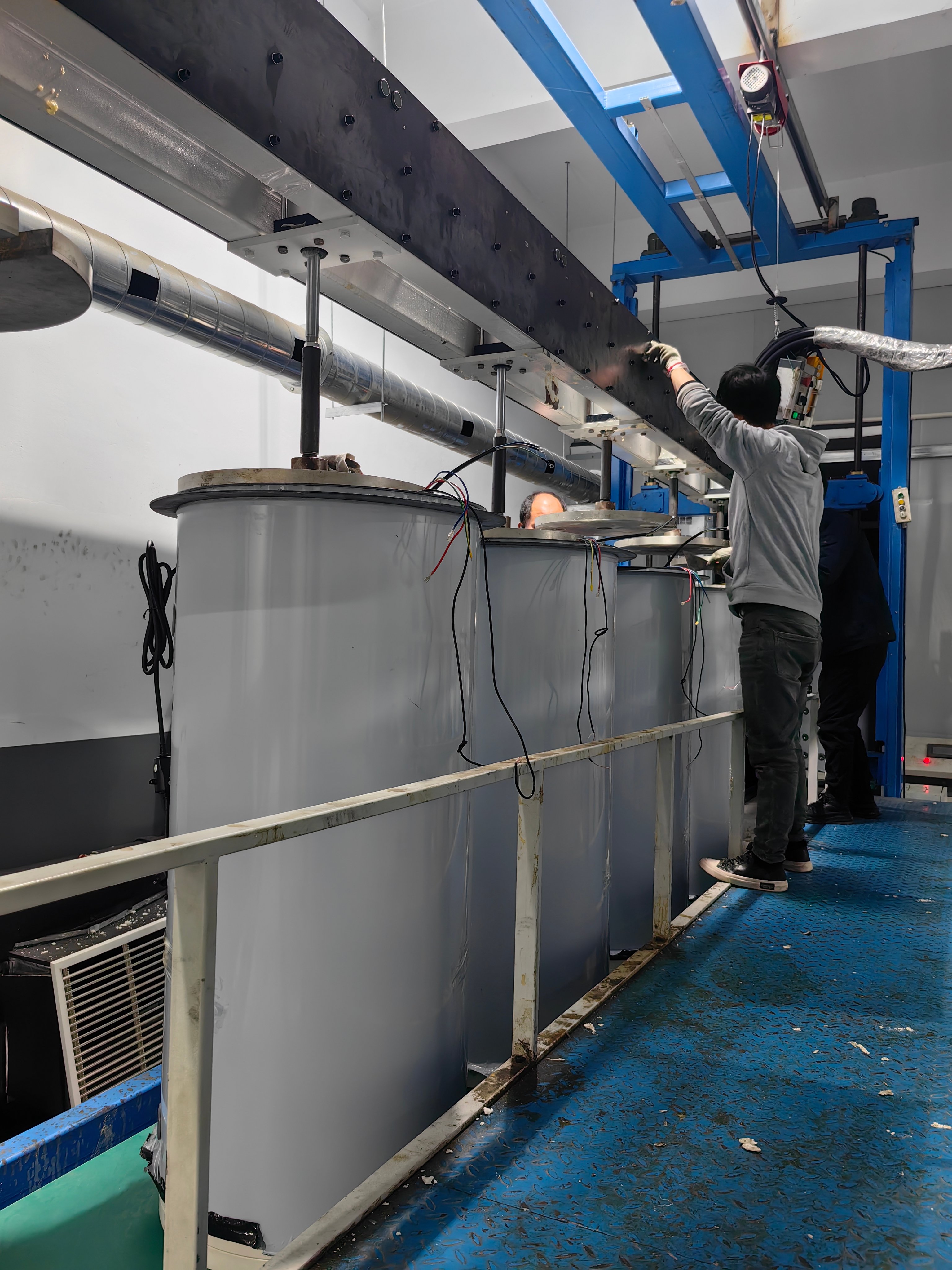
When selecting a hydronic buffer tank, it’s essential  to  consider the specific requirements of your heating  system. Buffer tanks are  designed to store hot water and help  stabilize the temperature in hydronic heating systems.  Key factors  to evaluate include the tank's capacity, insulation properties, and compatibility with your existing equipment.

The capacity  of the buffer tank  should align with your system’s  output to ensure optimal performance. A tank that’s too small may lead to frequent cycling of  the  heating system, reducing efficiency and lifespan. Conversely,  an oversized tank can result in unnecessary heat  loss. Therefore, understanding your project's heating load, peak demand, and system layout is critical for making the right choice.

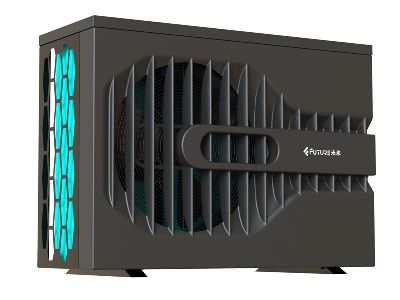
Moreover, ensuring compatibility  with your energy source—whether it's solar thermal,  biomass, or heat pumps—is vital.  For instance, the  temperature and pressure ratings of the  buffer tank must match those of your heating system. Always consult with your  heating system supplier to identify the most suitable tank specifications, such as those found in the R290 Pool Heat Pump Warmhouse Hot and Cold Water Inverter.

Why choose JIADELE hydronic buffer tank

We provide ou customer high quality product

primary production equipment the company is mainly imported , well as some of its manufacturing equipment. However, company has staff with more than 15 years extensive experience in production process and guarantees the quality and reliability of products from mechanical equipment operators. has loyal and steady Monoblock heatpumpboth the US and around the world.

One-stop full customization service

We are an organization for air to water heat pump with a strong professional background. To meet the requirements of various customers, we provide a type of business models, including wholesale, retail and custom processing. We can offer users suitable solutions and high-quality things that meet up with the diverse demands associated with the different customers. We provide a wide assortment of product provider solutions, through the assortment of products to equipment design manufacturing, installation and until landing.

Zhejiang JIADELE Professional team

company employs group more than 10 professional designers engineers from R D who each have more than 20 years of knowledge in the field of water heater development and research, and is able customize a variety of professional products based on different customer air to water heat pumpto meet the needs of customers. the same time have a range professional after-sales service teams other countries to offer customers professional after-sales support assist customers solve product after-sales problems promptly manner.We have Poland Branch,can Provide Technical guides the product, a test report, and other documentation assist in marketing.

Rich industry experience and price advantage

Our JIADELE happens to be centering on the hot-water industry for more than 23 years. We provide possibilities for customers who require commercial and household hot water, cooling in addition to heating systems. The business has solid expertise in production, procurement and product sales, and has amassed the trust of its customers with more than 20 ages of industry expertise. We might offer our clients the top-quality services and products in the affordable price most to your huge-scale procurement along with standard production.

Our Blog Posts

Why is Everyone Talking about Heat Pumps?

02

Sep

Why is Everyone Talking about Heat Pumps?

When talking about sustainable living and energy efficiency, heat pumps currently require global attention. Climate change is a major issue on the horizon and people are now in-Force searching for alternative heating and cooling systems to help reduc...
View More
R134A all in one heat pump‘s refined processes

10

Jan

R134A all in one heat pump‘s refined processes

R134A all in one heat pump combines the advantages of efficient heating, environmental protection, and energy saving. Its production encompasses multiple refined processes. In the cutting process, high-precision CNC equipment accurately cuts high-qu...
View More
What Is the ROI of an Evaporative Air Conditioner?

29

Sep

What Is the ROI of an Evaporative Air Conditioner?

Understanding the ROI of an evaporative air conditioner is essential for buying managers and project planners looking to optimize their cooling solutions while managing costs effectively. These evaporative air conditioner systems offer energy-efficie...
View More
What Is the Most Energy-Efficient Pool Heater?

29

Sep

What Is the Most Energy-Efficient Pool Heater?

Understanding what is the most energy-efficient pool heater is crucial for purchasing managers, distributors, and engineers looking to optimize their investment in pool heating solutions. Energy-efficient pool heaters not only reduce operational cost...
View More

Get In Touch

Have questions about JIADELE?

Our professional sales team are waiting for your consultation.

GET A QUOTE