 EN
 AR
 BG
 HR
 CS
 DA
 NL
 FI
 FR
 DE
 EL
 HI
 IT
 JA
 KO
 NO
 PL
 PT
 RO
 RU
 ES
 SV
 ID
 LV
 LT
 SR
 SK
 SL
 UK
 VI
 SQ
 ET
 HU
 TH
 TR
 MS
 HY
 HA
 LO
 MY
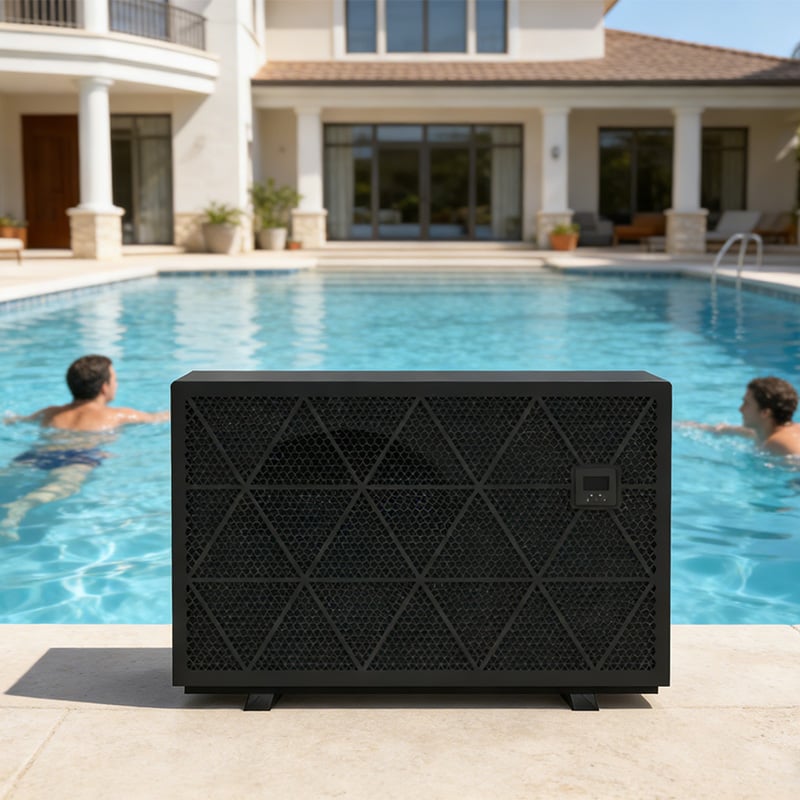
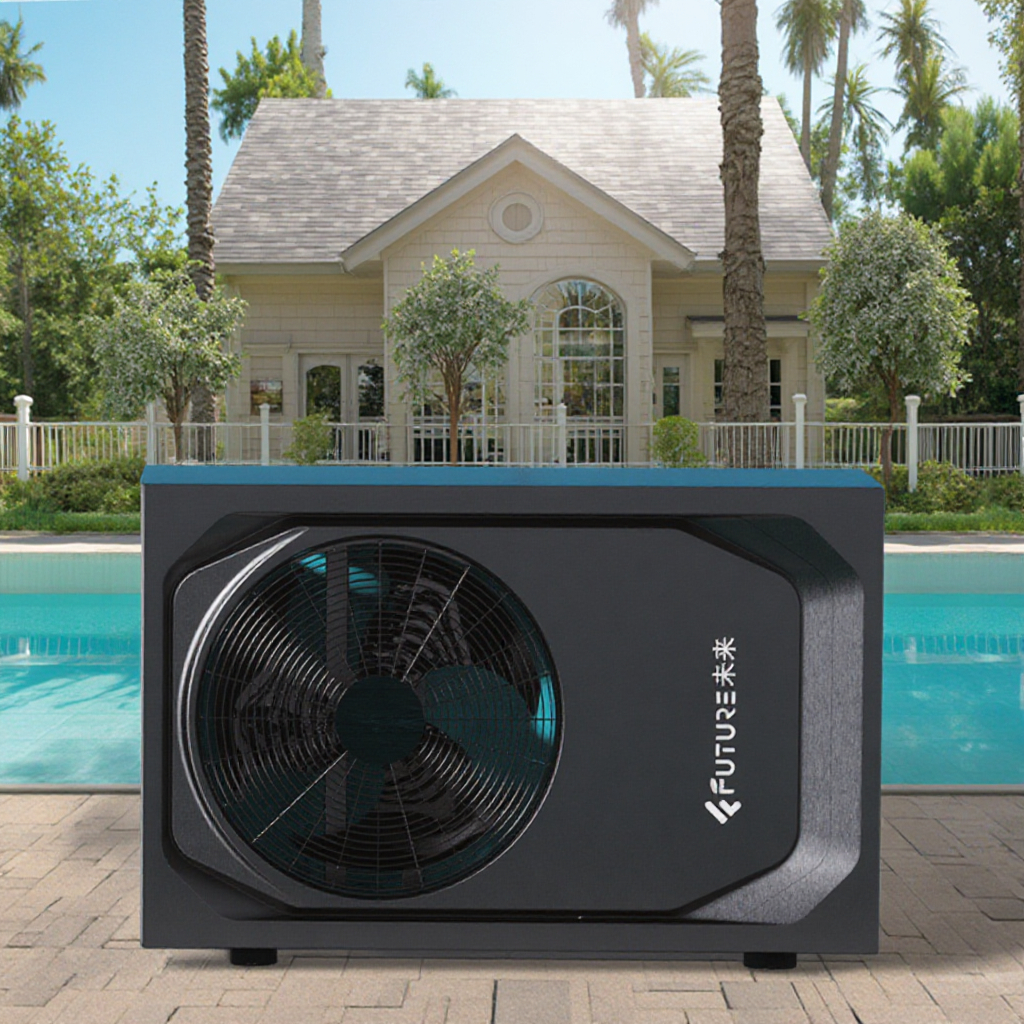
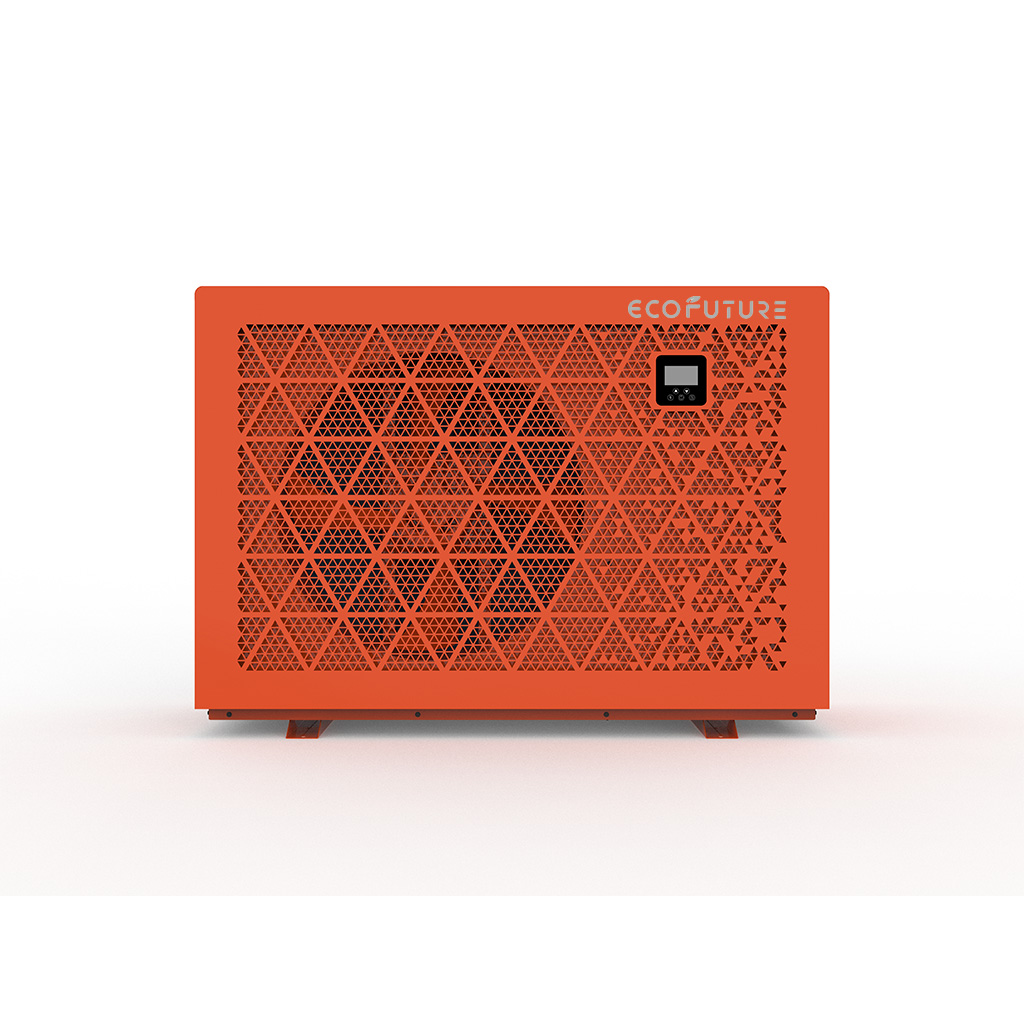
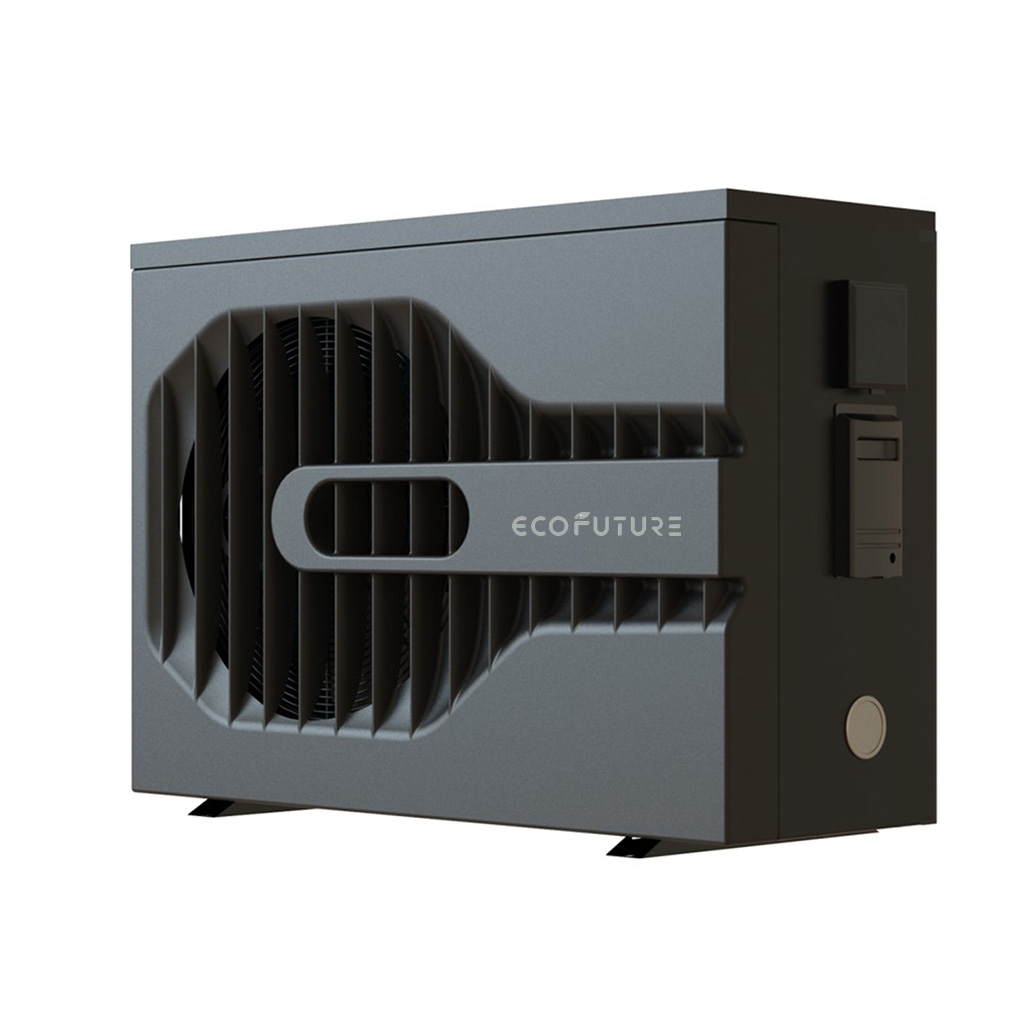
Air source heat pumps are a vital component of modern renewable energy systems, providing efficient heating and cooling solutions for both residential and commercial applications. For purchasing managers and engineers, selecting the right air source heat pump manufacturers is essential for ensuring product quality, energy efficiency ratings, and reliability. This article aims to provide insights into choosing the right air source heat pump 16kw, evaluating key specifications, understanding quality control processes, identifying common installation problems, and exploring various applications.
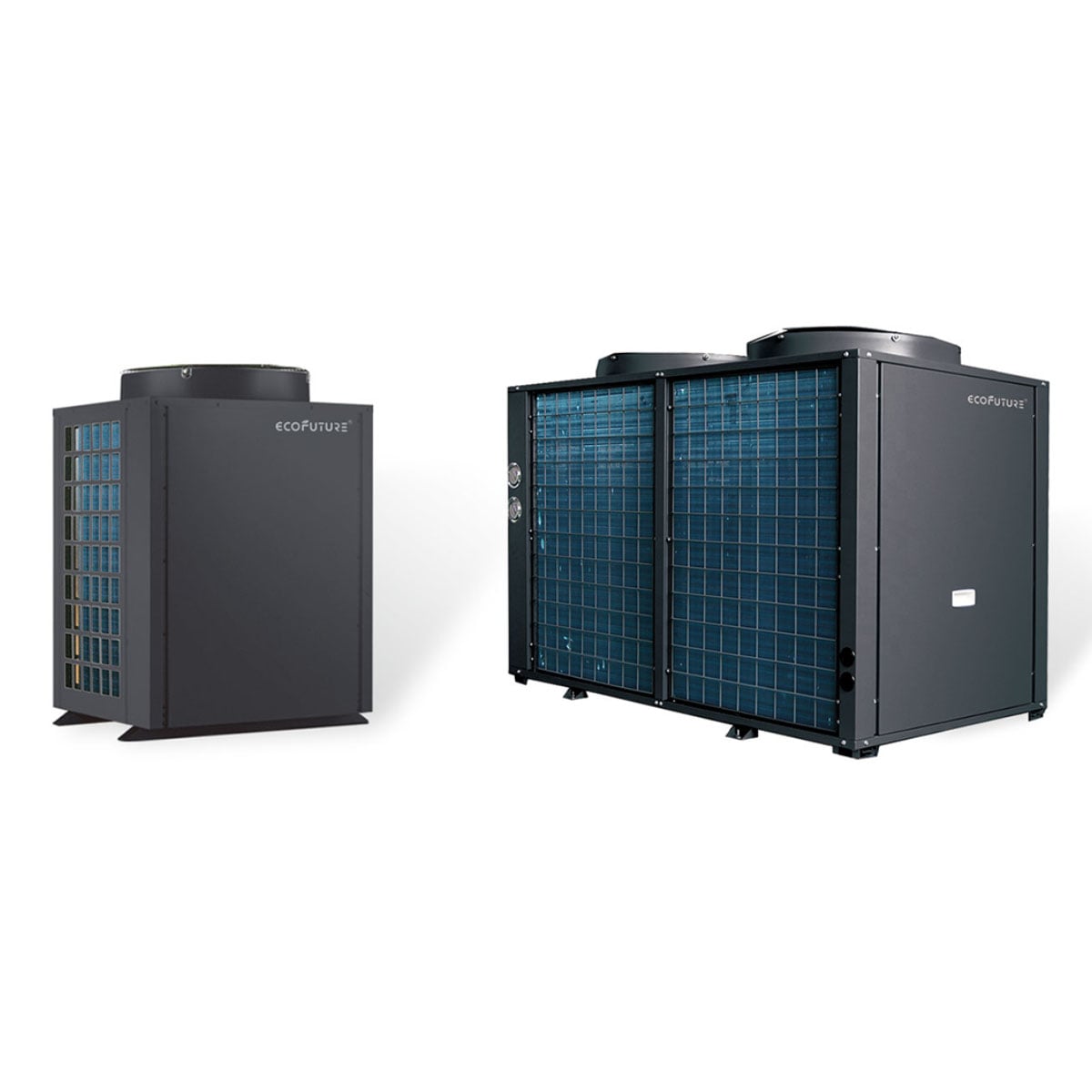
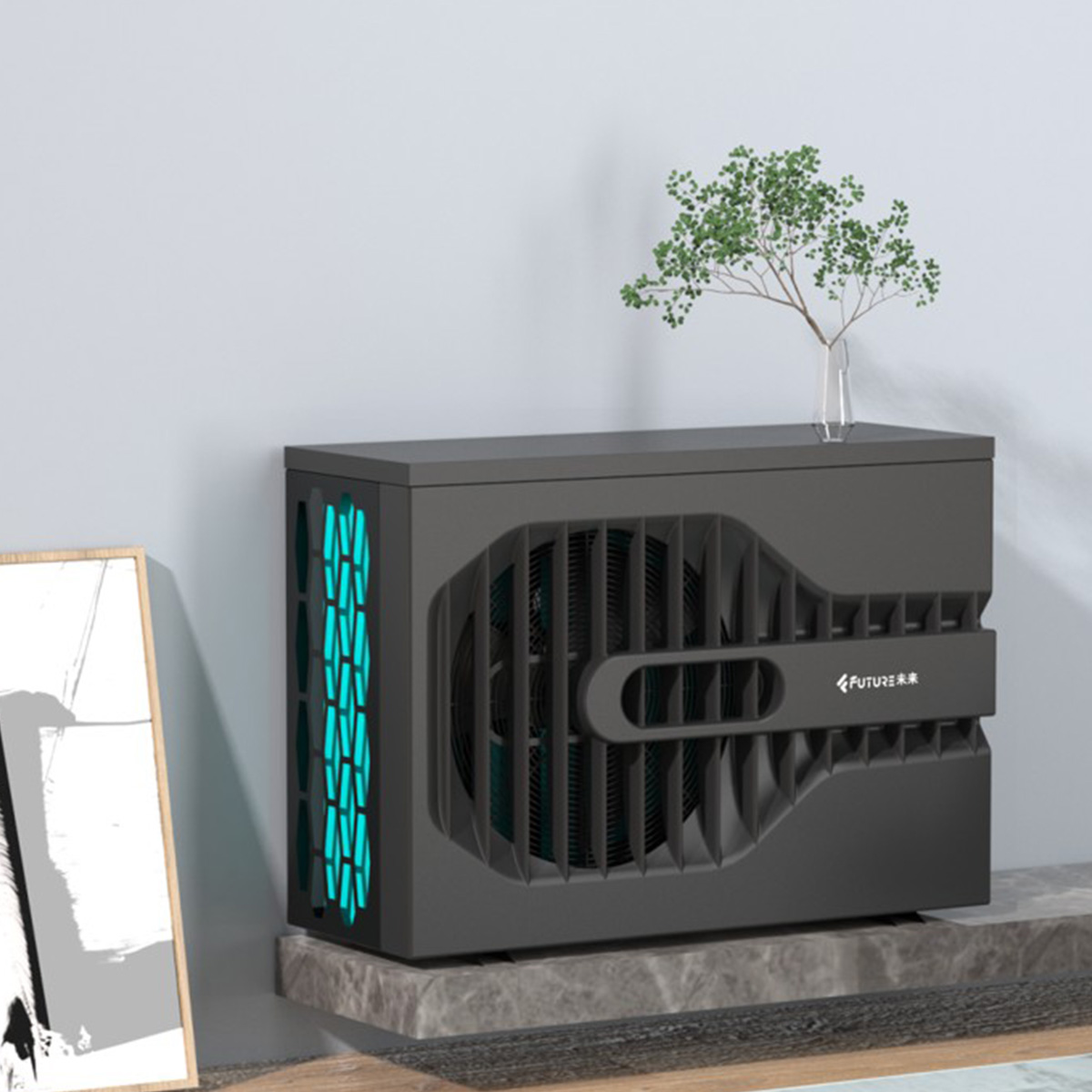
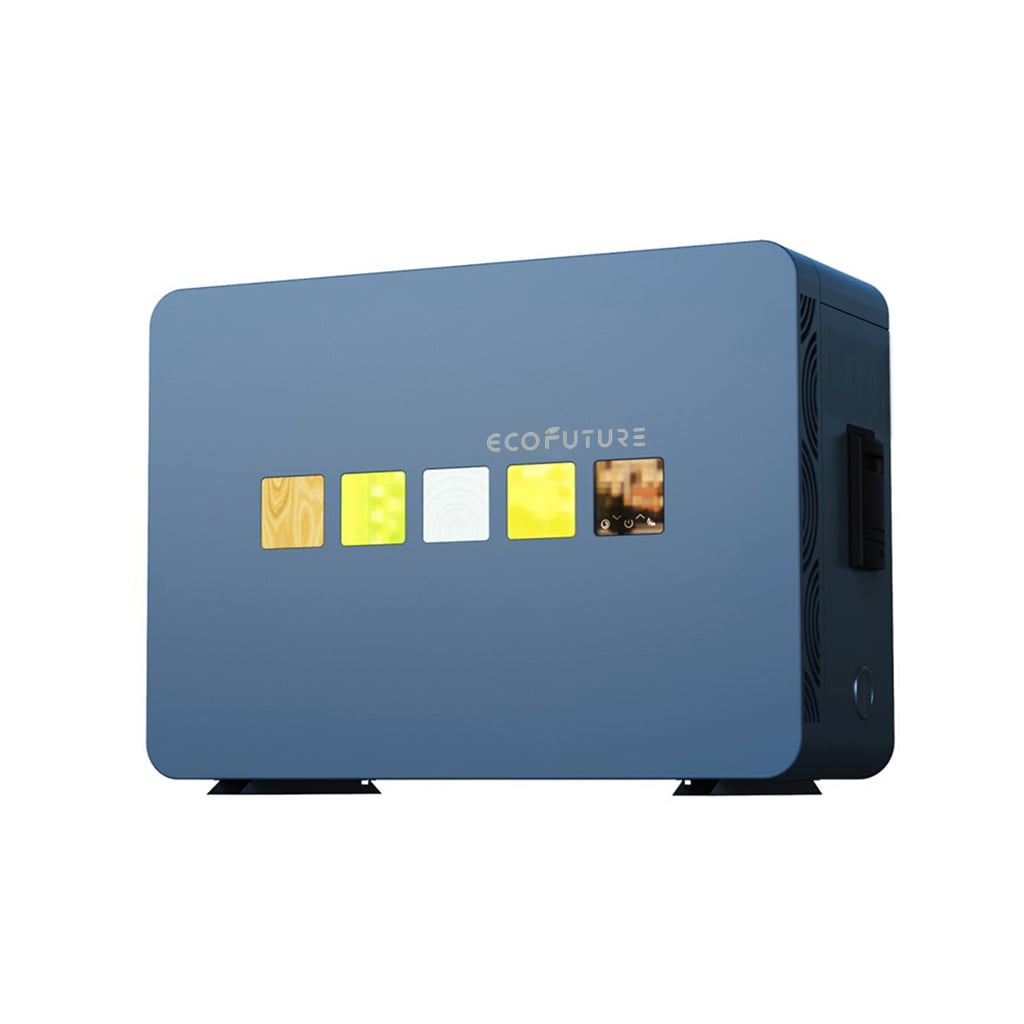
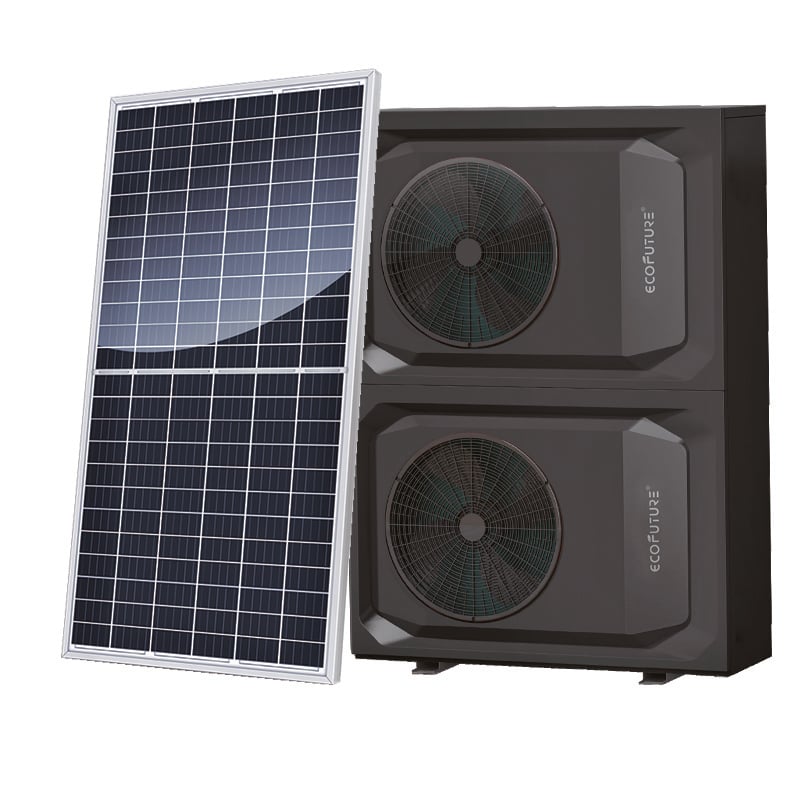
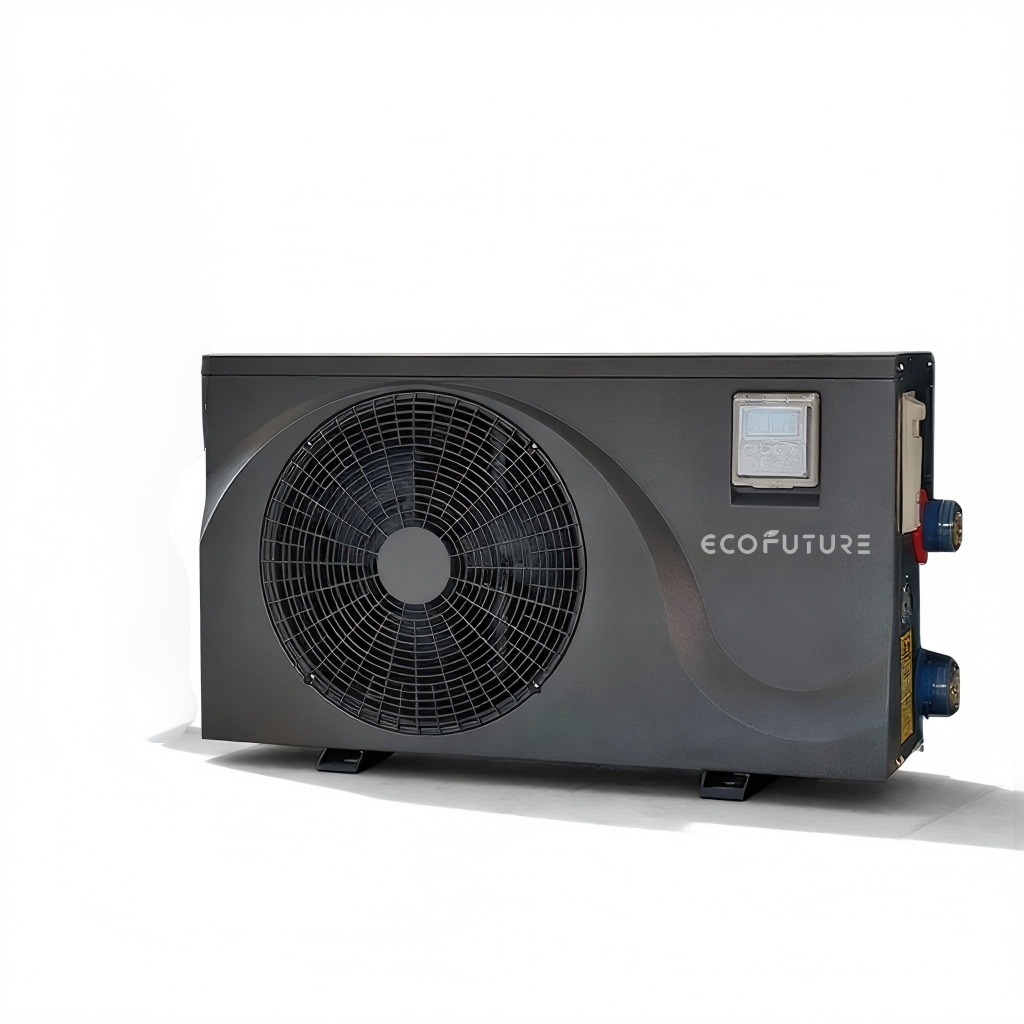
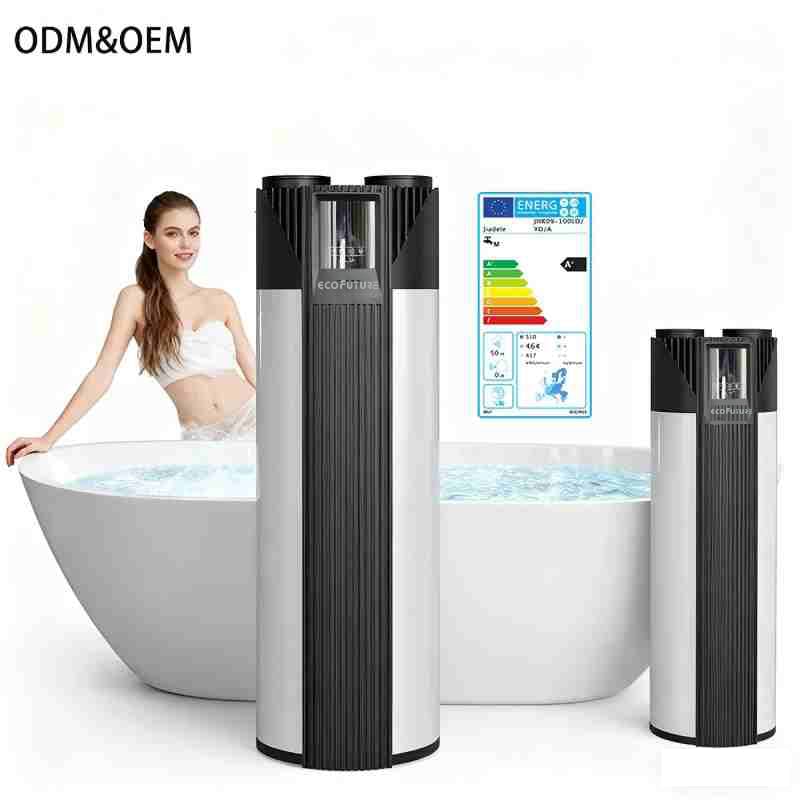
Key Specifications to Evaluate When Sourcing Air Source Heat Pumps
When sourcing air source heat pumps, several specifications warrant careful evaluation:
Capacity: Ensure that the heat pump's capacity aligns with your heating and cooling needs, as undersized or oversized units can lead to inefficiencies.
Energy Efficiency Ratings: Look for EER and SEER ratings to gauge the unit's efficiency. A higher SEER rating indicates better energy efficiency ratings during the cooling season, which can significantly impact long-term operational costs.
Noise Levels: Pay attention to the decibel (dB) ratings, especially for installations in residential areas. Quieter units enhance comfort and reduce disturbances.
Refrigerant Type: Check whether the heat pump uses environmentally friendly refrigerants, such as R-410A, which have lower global warming potential.
Defrost Cycle: The defrost cycle is essential for maintaining efficiency in colder climates. Ensure the heat pump has an effective defrost mechanism to prevent ice buildup.
Warranty and Support: Confirm the warranty terms and after-sales support offered by the manufacturer. A robust warranty indicates confidence in the product's durability and performance.