 EN
 AR
 BG
 HR
 CS
 DA
 NL
 FI
 FR
 DE
 EL
 HI
 IT
 JA
 KO
 NO
 PL
 PT
 RO
 RU
 ES
 SV
 ID
 LV
 LT
 SR
 SK
 SL
 UK
 VI
 SQ
 ET
 HU
 TH
 TR
 MS
 HY
 HA
 LO
 MY
Industrial AC units are essential components of modern manufacturing and commercial operations, providing efficient climate control for various environments. As a purchasing manager or engineer, understanding the intricacies of these systems is crucial for making informed decisions that impact operational efficiency and cost-effectiveness. This article will guide you through evaluating the quality of industrial AC units, key specifications to consider, suitable applications across different industries, installation guidance, and common problems along with their solutions.

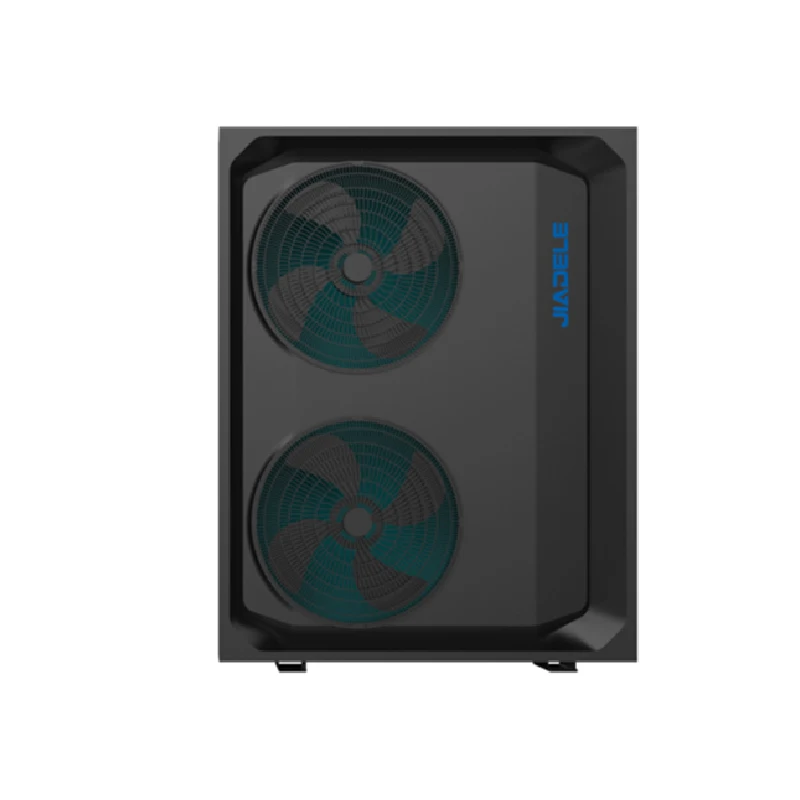
Specifications to Look for in High-Performance Industrial AC Units
When evaluating industrial AC units, several key specifications should be prioritized to ensure high performance:
Cooling Capacity: Measured in BTUs or kW, this indicates the unit's ability to remove heat from a space. Ensure the capacity matches the specific cooling load requirements of your facility.
Energy Efficiency Ratio (EER): A higher EER indicates better energy efficiency, reducing operational costs over time. Check for the unit’s seasonal energy efficiency ratio (SEER) as well, which reflects performance over an entire cooling season.
Refrigerant Type: Modern units often use eco-friendly refrigerants like R-410A, which have lower environmental impact compared to older refrigerants. Confirm compatibility with existing systems and regulations.
Noise Levels: Sound output is an important consideration, especially for units installed in noise-sensitive environments. Look for specifications that detail sound levels in decibels (dB).
Durability and Build Quality: Materials used in construction, such as corrosion-resistant metals and high-quality insulation, can affect the unit's longevity and performance. Inspect the unit’s design features that enhance durability, such as protective coatings or robust casings.
Control Systems: Advanced control systems that allow for precise temperature regulation can enhance comfort and efficiency. Features like programmable thermostats or remote monitoring capabilities are beneficial.