 EN
 AR
 BG
 HR
 CS
 DA
 NL
 FI
 FR
 DE
 EL
 HI
 IT
 JA
 KO
 NO
 PL
 PT
 RO
 RU
 ES
 SV
 ID
 LV
 LT
 SR
 SK
 SL
 UK
 VI
 SQ
 ET
 HU
 TH
 TR
 MS
 HY
 HA
 LO
 MY
Air source heat pumps (ASHPs) are an increasingly popular choice for efficient heating and cooling solutions in both residential and commercial applications. These systems utilize renewable energy from the air, making them eco-friendly and cost-effective. For B2B buyers, understanding the specifications, quality control, installation, and applications of air source heat pump system underfloor is essential for making informed purchasing decisions. This article will provide a comprehensive overview of these systems, helping purchasing managers, engineers, and product managers better navigate their options.

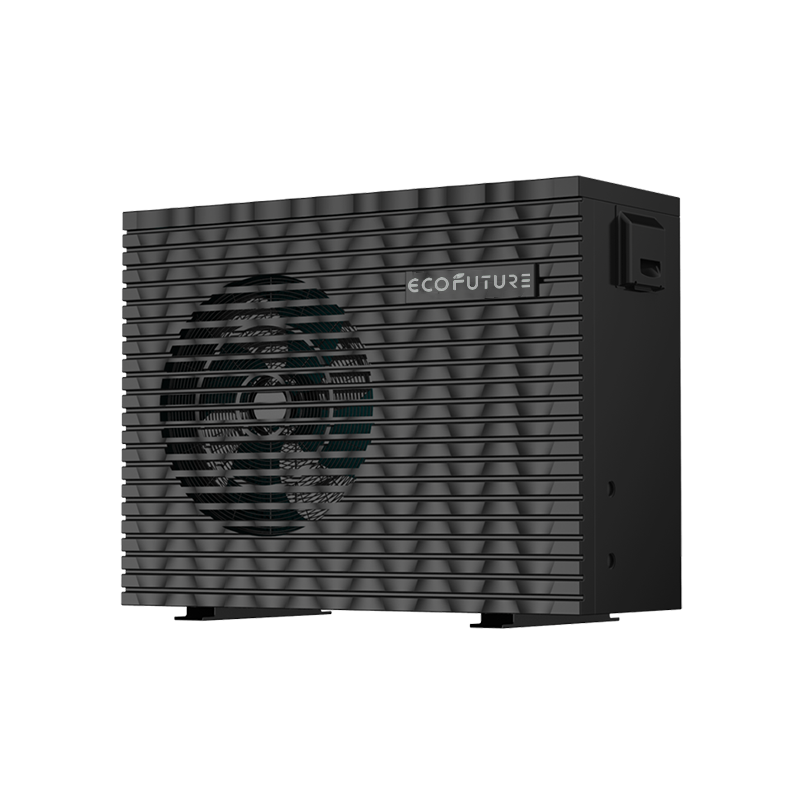
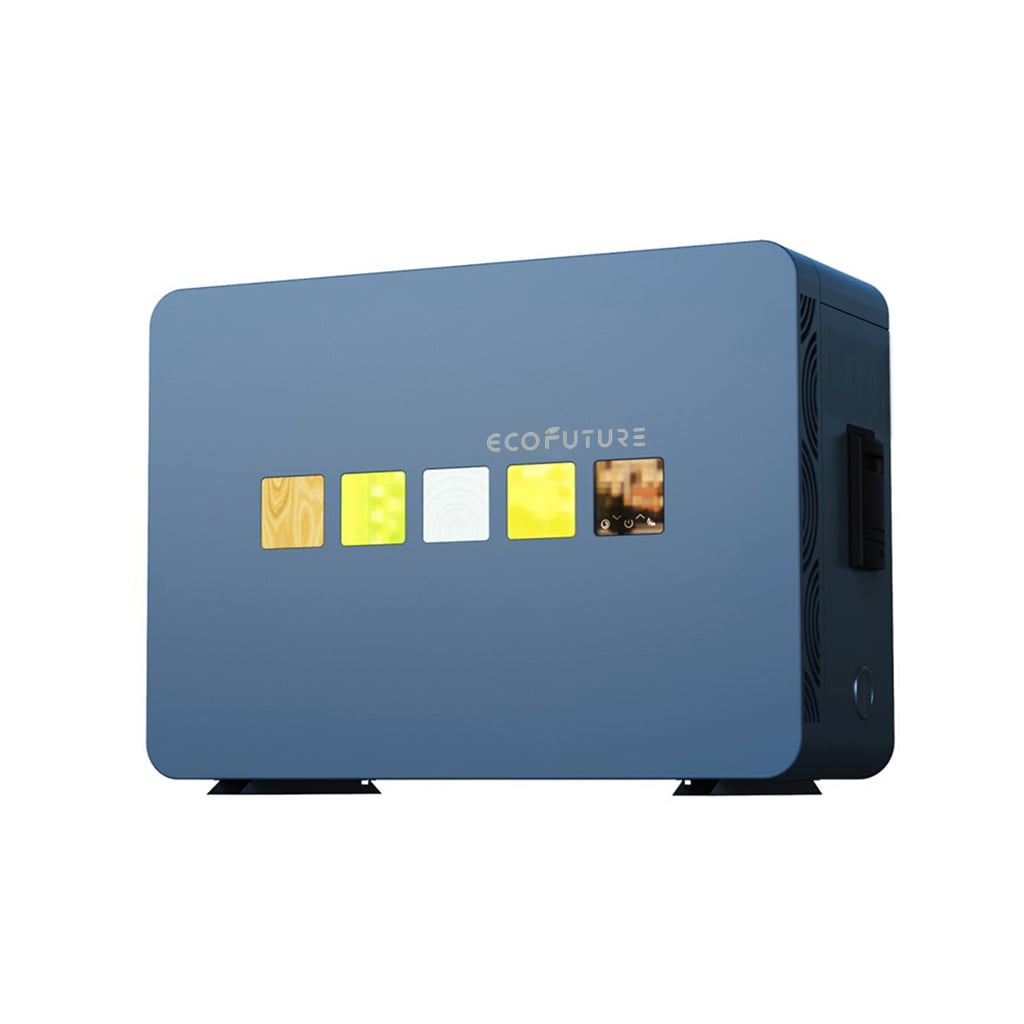

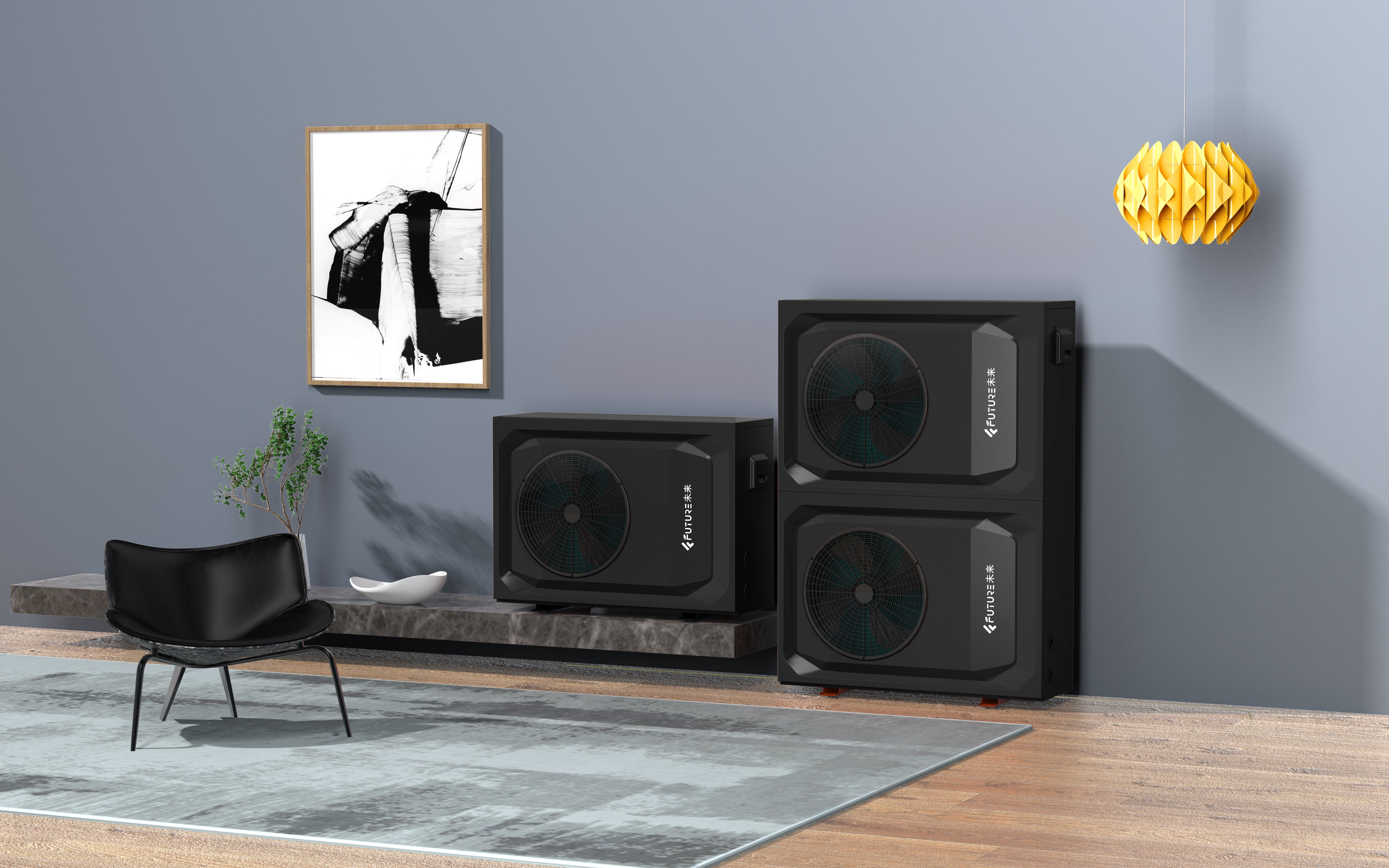
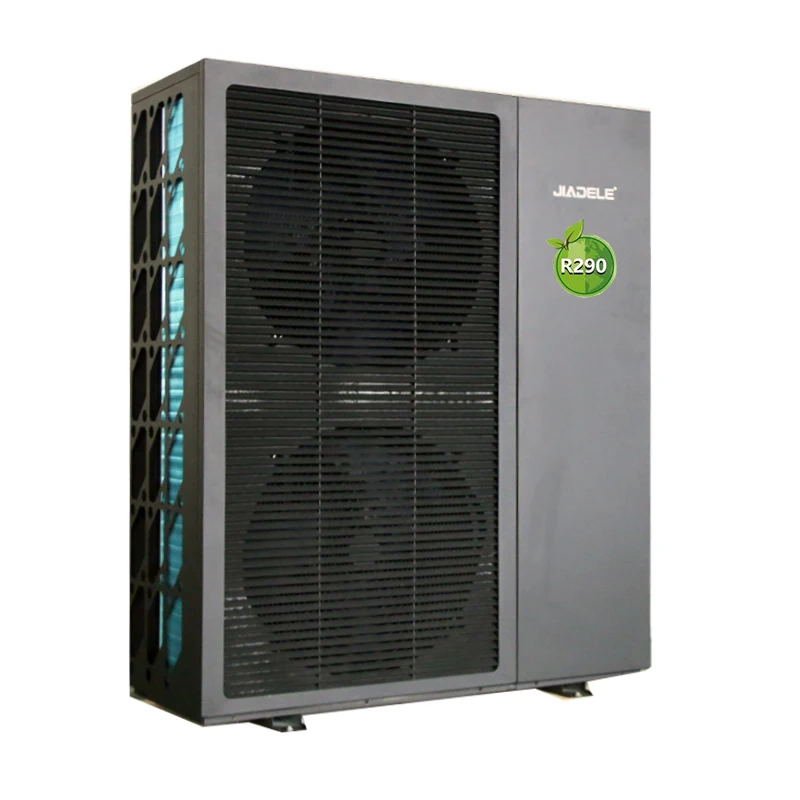
Comparing Specifications of Air Source Heat Pumps for Wholesale Buyers
When evaluating air source heat pumps, buyers should focus on several critical specifications:
Heating Capacity: Measured in kilowatts (kW), this indicates how much heat the pump can provide. It should meet the specific requirements of the installation area.
Energy Efficiency Ratio (EER) and Seasonal Energy Efficiency Ratio (SEER): These metrics gauge the pump's efficiency in cooling mode and are essential for understanding operational costs.
Operating Temperature Range: Different models can operate efficiently in varying ambient temperatures. Ensure the selected model can function effectively in the expected climate conditions.
Noise Levels: Measured in decibels (dB), this is particularly important for installations in noise-sensitive areas. Look for models designed with sound reduction features.
Refrigerant Type: The choice of refrigerant can affect both performance and environmental impact. R-32, for example, has a lower global warming potential compared to older refrigerants.
Understanding these specifications allows wholesale buyers to compare different models and select the best air source heat pump boiler option for their customers.