 EN
 AR
 BG
 HR
 CS
 DA
 NL
 FI
 FR
 DE
 EL
 HI
 IT
 JA
 KO
 NO
 PL
 PT
 RO
 RU
 ES
 SV
 ID
 LV
 LT
 SR
 SK
 SL
 UK
 VI
 SQ
 ET
 HU
 TH
 TR
 MS
 HY
 HA
 LO
 MY
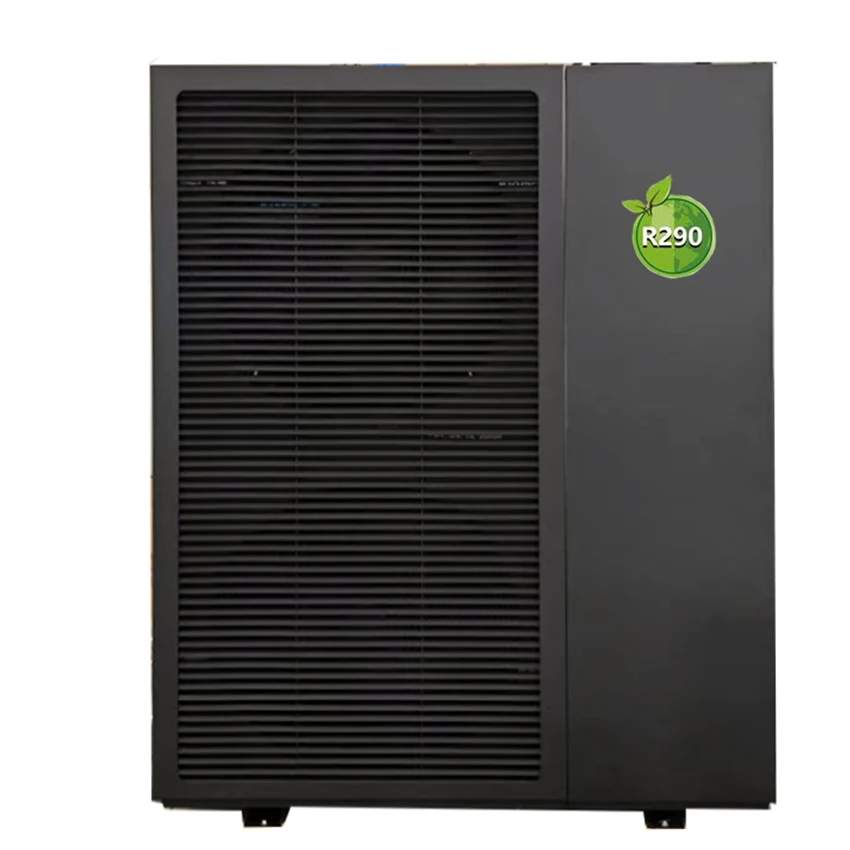
Industrial air conditioning units (AC units) play a crucial role in maintaining optimal working conditions in various commercial and industrial environments. These industrial AC units not only provide cooling but also improve air quality, contributing to a healthier workspace. However, sourcing the right industrial AC unit can be a daunting task for purchasing managers and engineers. This article will guide you through the essential considerations for selecting and evaluating air conditioning hvac, focusing on how to find reliable suppliers, compare specifications, and understand key performance indicators.

How to Compare Specifications of Different Industrial AC Units
When evaluating different industrial AC units, it’s crucial to compare specifications that directly influence their performance and suitability for your application. Key specifications to consider include:
Cooling Capacity: Measured in BTUs or kilowatts, this indicates the unit's ability to cool a space. Ensure the capacity matches your facility's size and cooling load requirements.
Energy Efficiency Ratio (EER): A higher EER indicates better energy efficiency, which can lead to significant cost savings in electricity bills over time.
Airflow Rate: This is typically measured in cubic feet per minute (CFM). Adequate airflow is necessary to ensure even cooling throughout the space.
Noise Level: Depending on the installation location, the noise produced by the industrial AC units may be a critical factor. Look for specifications that indicate sound levels in decibels (dB).
Dimensions and Weight: Ensure the industrial AC units fits within the designated installation space without compromising airflow or access for maintenance.
By systematically comparing these specifications, you can make an informed decision that aligns with your operational needs.