 EN
 AR
 BG
 HR
 CS
 DA
 NL
 FI
 FR
 DE
 EL
 HI
 IT
 JA
 KO
 NO
 PL
 PT
 RO
 RU
 ES
 SV
 ID
 LV
 LT
 SR
 SK
 SL
 UK
 VI
 SQ
 ET
 HU
 TH
 TR
 MS
 HY
 HA
 LO
 MY
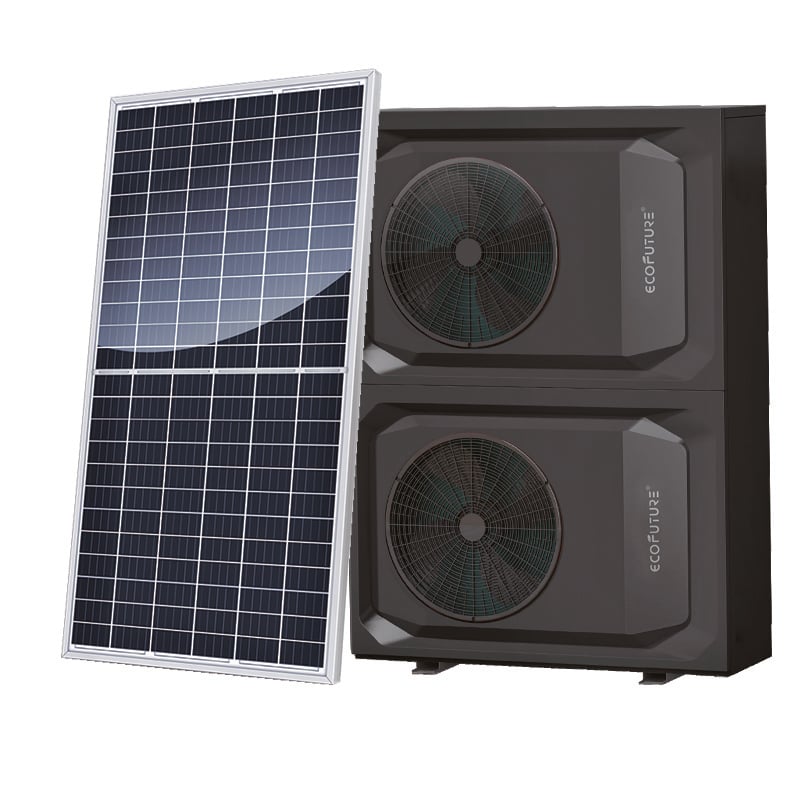
Solar collectors are essential components in renewable energy systems, designed to harness solar energy for heating applications. They are a critical consideration for B2B buyers such as purchasing managers, distributors, and engineers involved in residential and commercial solar water heating projects. This article will address key factors to consider when selecting solar collector materials, provide installation guidance, explore common issues, and discuss the advantages of different materials. By understanding these aspects, buyers can make informed decisions that align with their project requirements and operational needs.

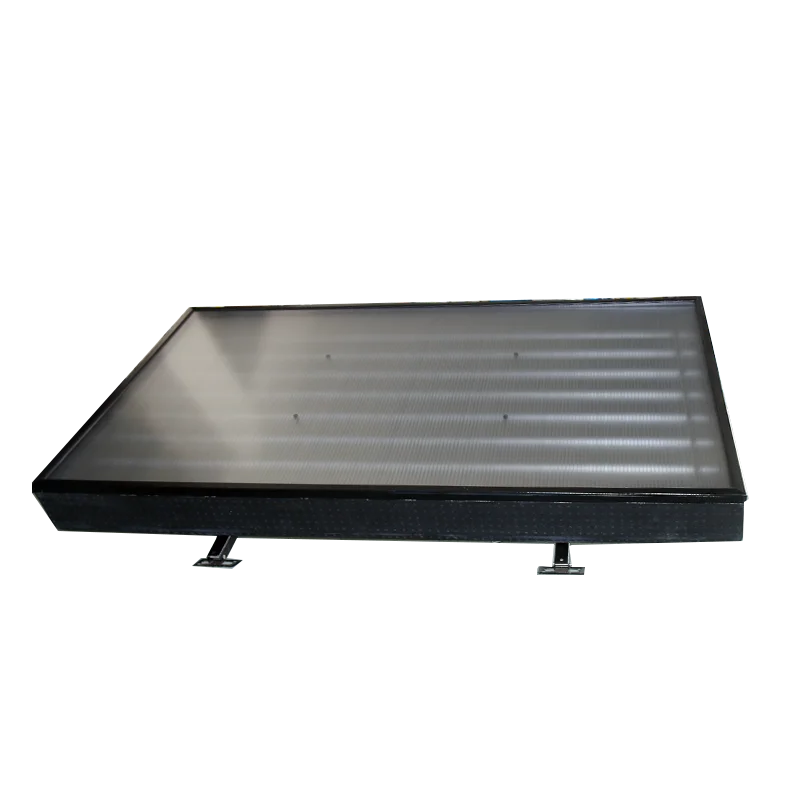
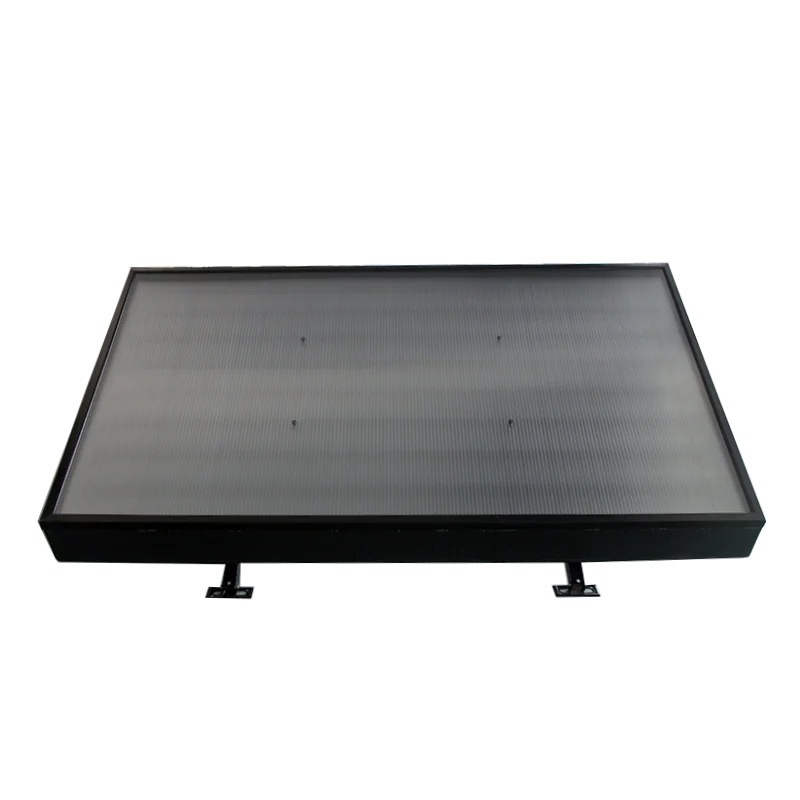

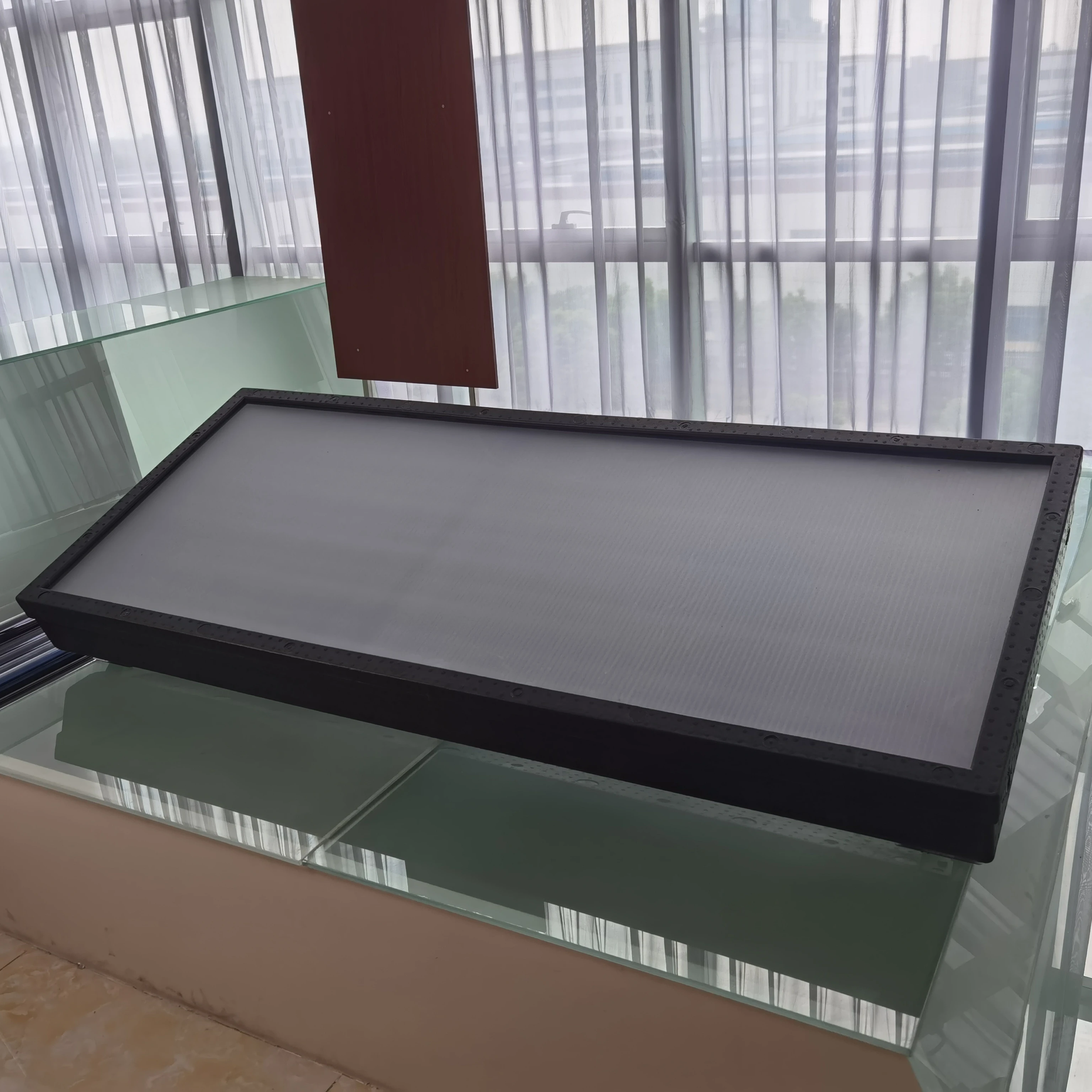


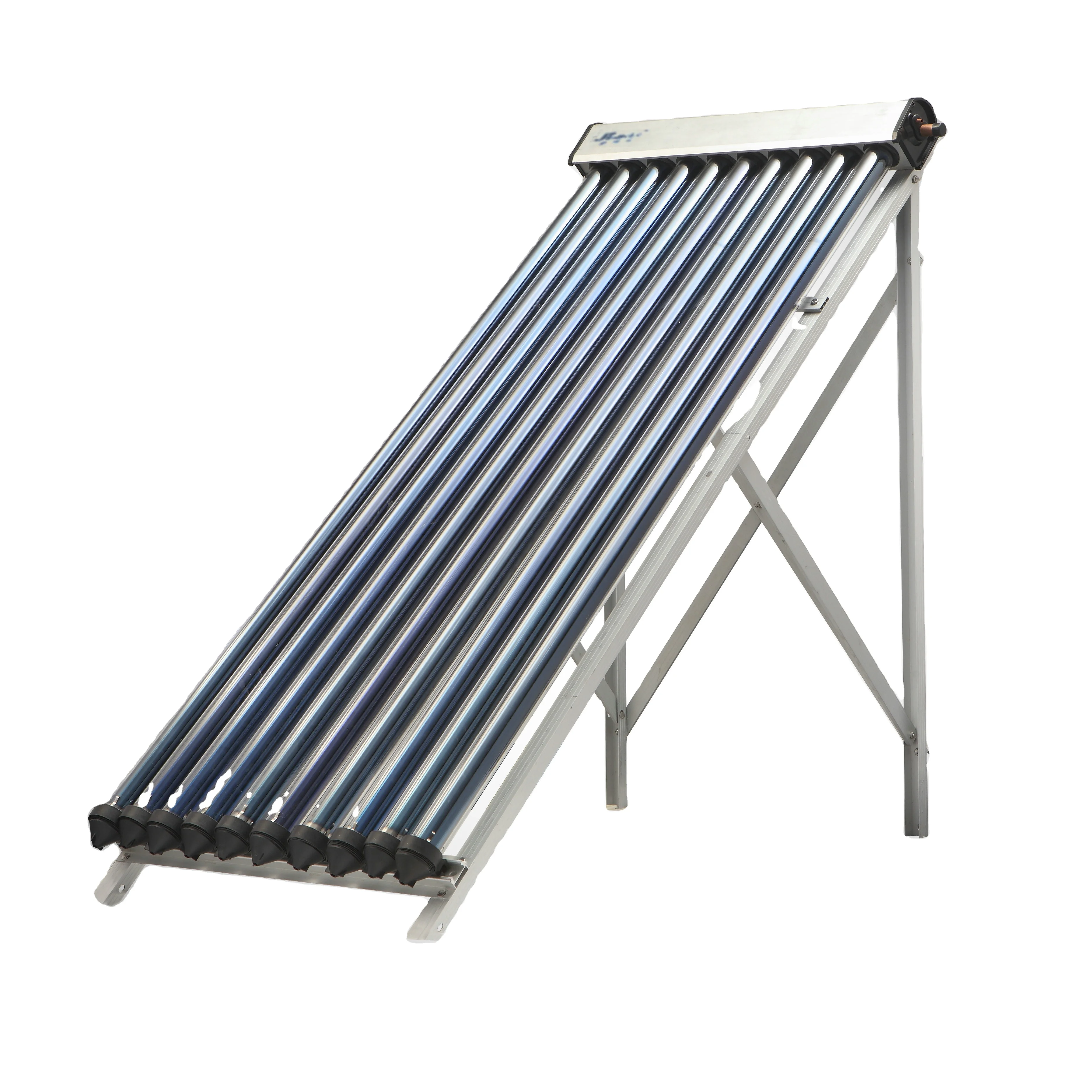
Key Specifications to Evaluate When Selecting Solar Collectors
Selecting the right solar collector materials involves evaluating several key specifications that directly impact performance and thermal efficiency. Important factors include: Thermal Efficiency: This indicates how well a solar collector materials converts sunlight into usable heat. Higher thermal efficiency ratings are desirable for maximizing energy output. Material Composition: Solar collector materials can be made from various materials, including copper, aluminum, and selective coatings. Each material affects heat retention and durability. Dimensions and Surface Area: The size of the collector should match the heating requirements of the application. Larger surface areas typically capture more sunlight but may require more structural support. Pressure Rating: This specification is critical for systems that operate under pressure, especially in commercial applications. Ensure the collector can withstand the expected operating conditions. Evaluating these specifications helps ensure that the selected solar collector materials meets the specific needs of the installation guidance site and application.