 EN
 AR
 BG
 HR
 CS
 DA
 NL
 FI
 FR
 DE
 EL
 HI
 IT
 JA
 KO
 NO
 PL
 PT
 RO
 RU
 ES
 SV
 ID
 LV
 LT
 SR
 SK
 SL
 UK
 VI
 SQ
 ET
 HU
 TH
 TR
 MS
 HY
 HA
 LO
 MY
Large water storage tanks play a crucial role in various industries, providing essential solutions for managing water supply and storage needs. As a B2B buyer, your primary concerns likely include product specifications, material durability, supplier reliability, and installation requirements. This article will help you navigate these considerations, offering insights into sourcing large water storage tanks effectively.

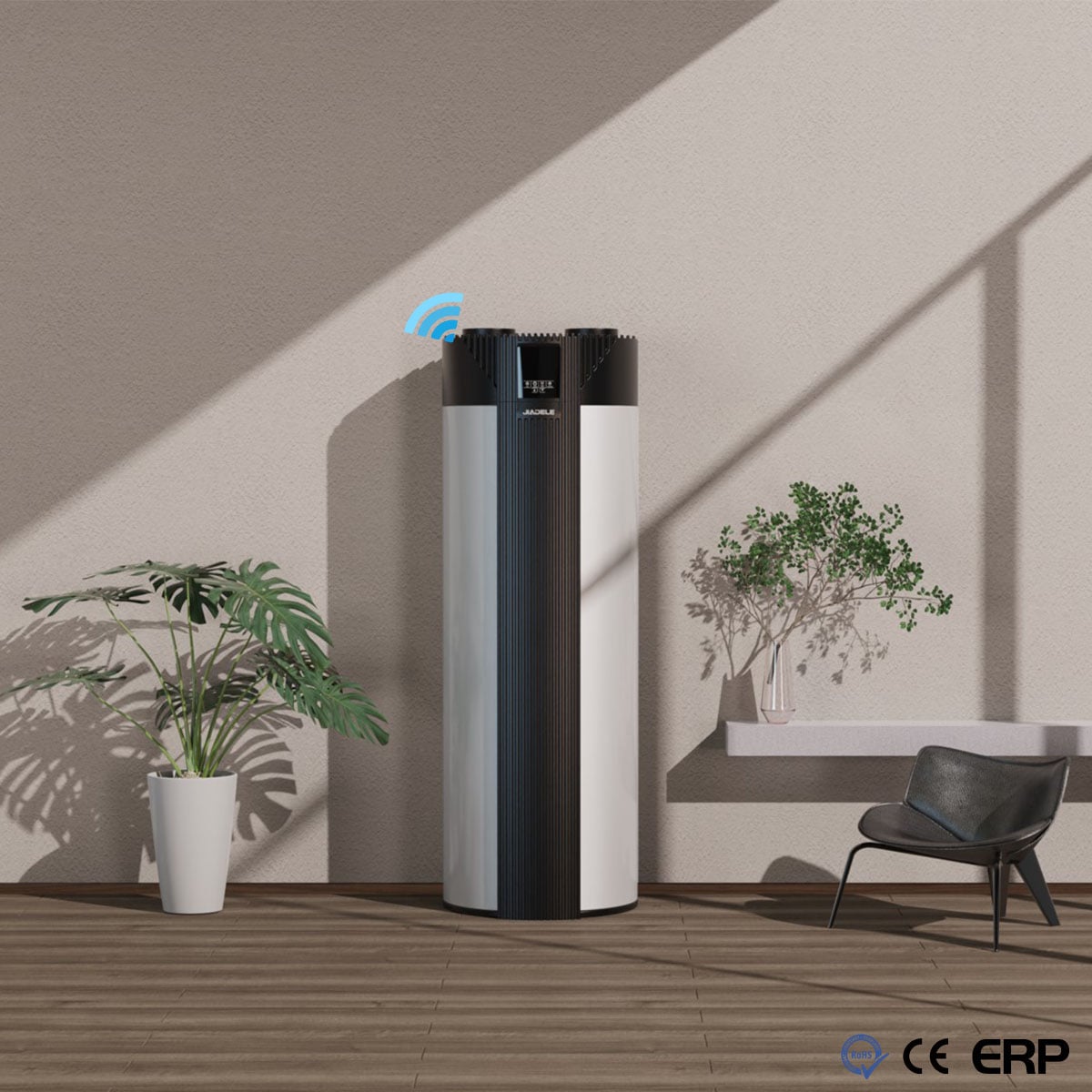

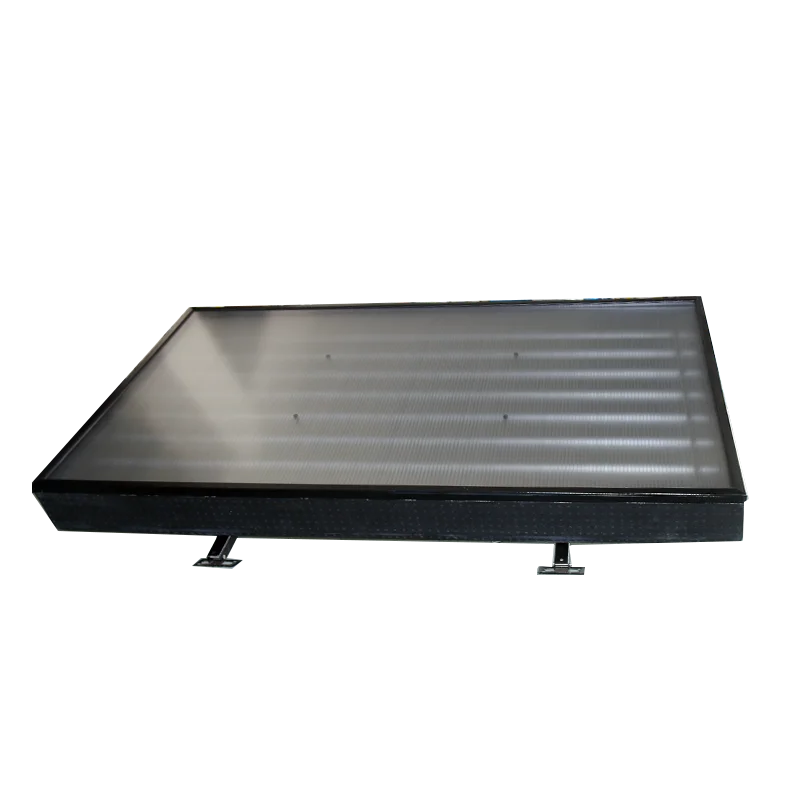
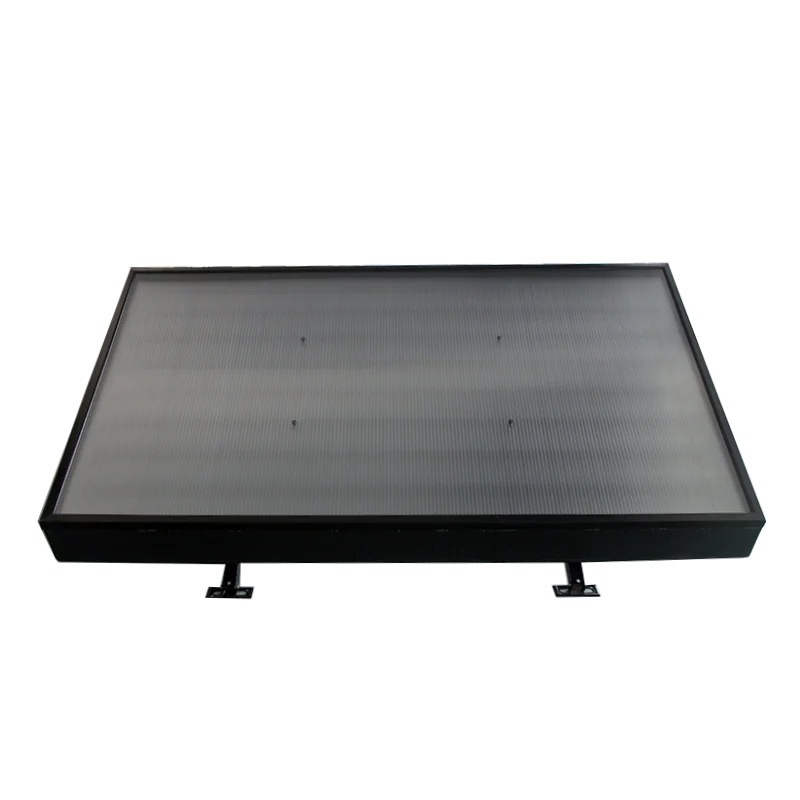

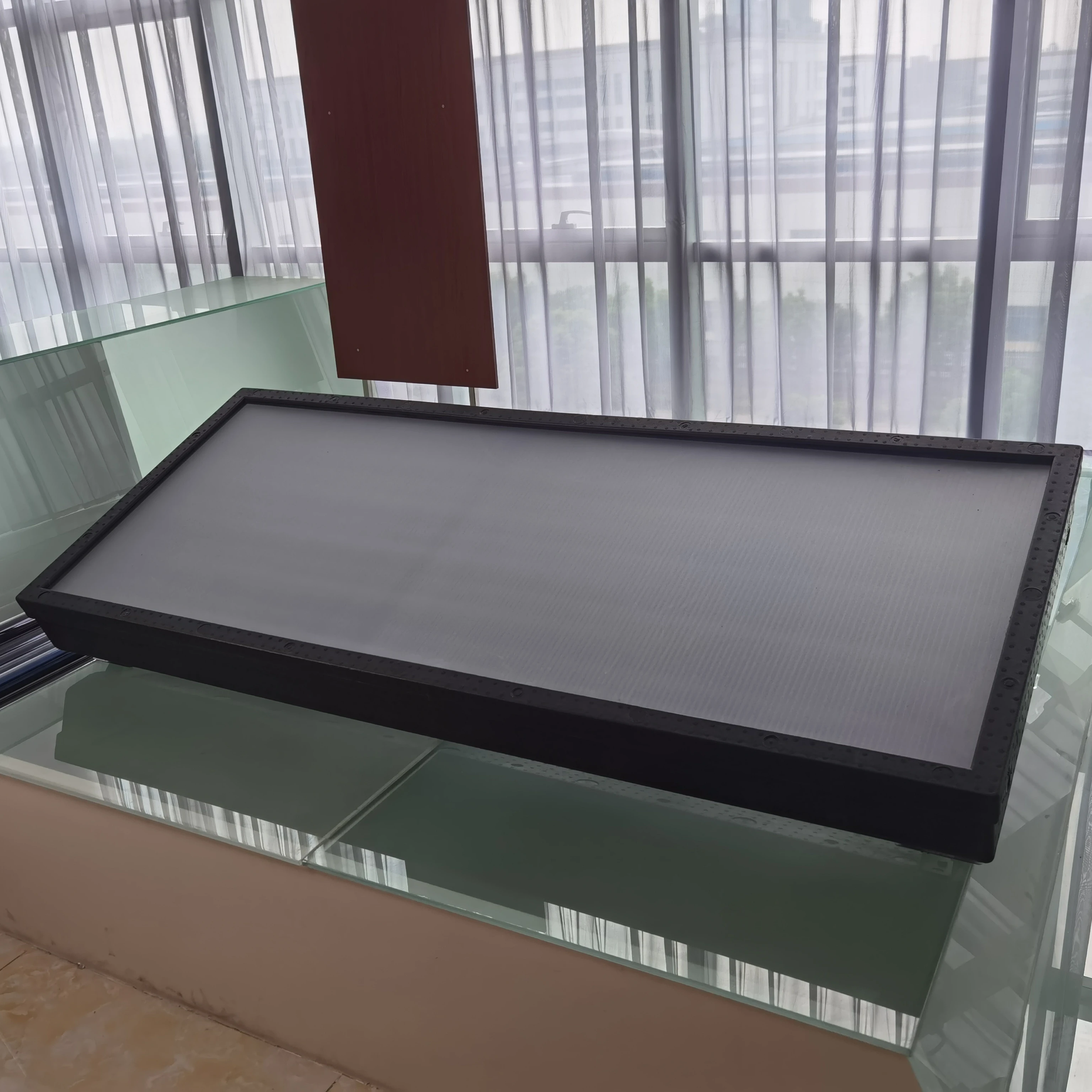

Comparing Material Advantages of Large Water Storage Tanks
When choosing JIADELE large water storage tanks, the material significantly influences performance, durability, and cost-effectiveness. Here’s a comparison of the most common materials:
Polyethylene:
Advantages: Lightweight, resistant to corrosion, and UV-stabilized, making it suitable for outdoor applications.
Disadvantages: May not withstand high temperatures or extreme weather conditions as well as metal tanks.
Fiberglass:
Advantages: Excellent corrosion resistance and lightweight, making it suitable for both above-ground and underground installations.
Disadvantages: Generally more expensive than polyethylene and can be prone to cracking if not handled properly.
Stainless Steel:
Advantages: Highly durable, resistant to corrosion, and able to handle high pressures and temperatures. Ideal for applications requiring strict hygiene standards, such as potable water storage.
Disadvantages: Higher initial cost and heavier than plastic alternatives, which may affect installation logistics.
Concrete:
Advantages: Extremely durable and suitable for large volumes, often used for permanent installations. Good for underground applications.
Disadvantages: Difficult to transport and install, and can be prone to cracking if not properly reinforced.