 EN
 AR
 BG
 HR
 CS
 DA
 NL
 FI
 FR
 DE
 EL
 HI
 IT
 JA
 KO
 NO
 PL
 PT
 RO
 RU
 ES
 SV
 ID
 LV
 LT
 SR
 SK
 SL
 UK
 VI
 SQ
 ET
 HU
 TH
 TR
 MS
 HY
 HA
 LO
 MY
Evacuated tube collectors are essential components in solar thermal systems, designed to harness solar energy for heating applications. As a B2B buyer, you may have concerns regarding quality, specifications, and supplier reliability. This article will guide you through the critical factors to consider when sourcing solar collector, helping you make informed purchasing decisions.


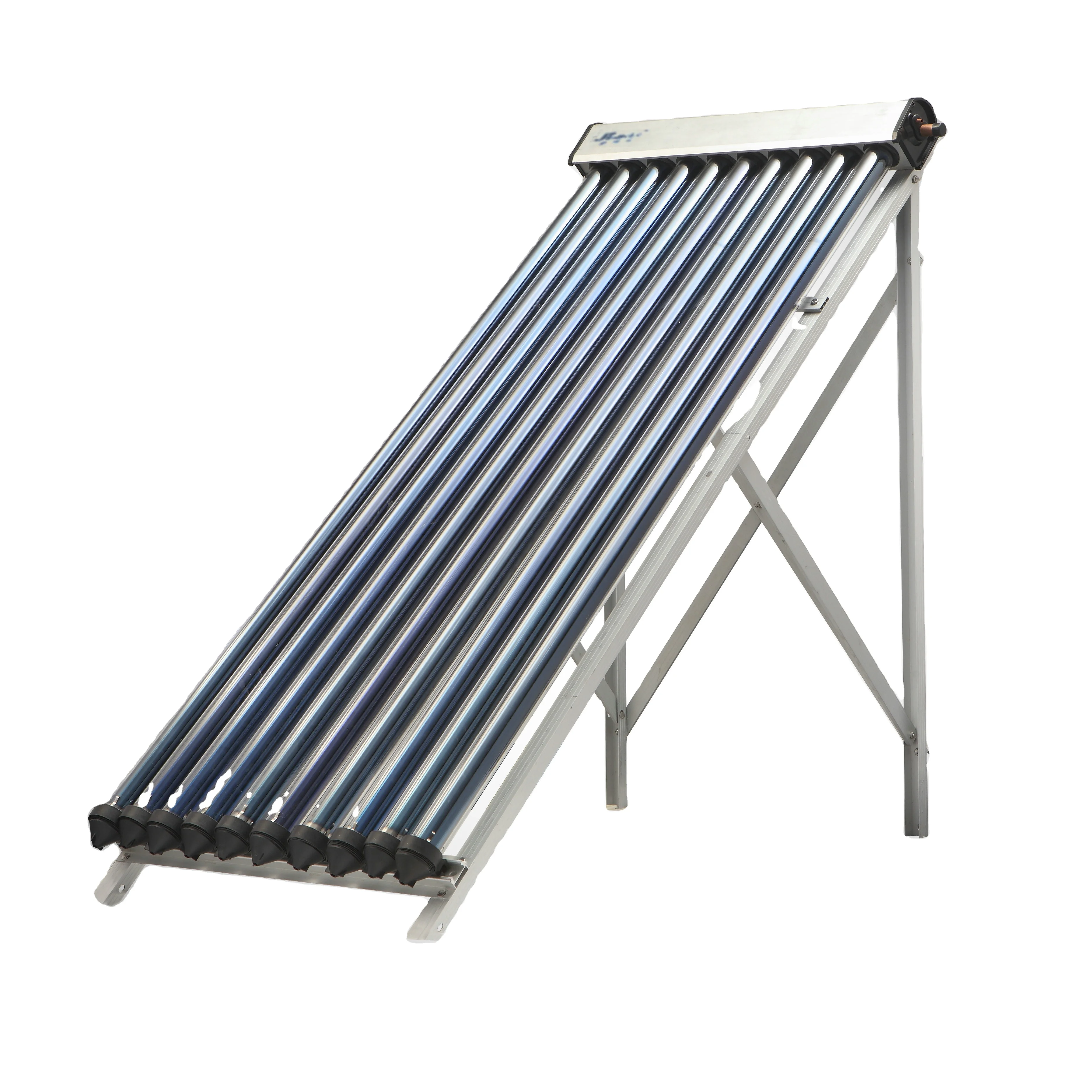
Key Specifications for High-Quality Evacuated Tube Collectors
Understanding the key specifications of evacuated tube collectors is critical in evaluating their quality and performance. Here are some primary specifications to consider:
Material: The most common materials used in evacuated tube collectors include borosilicate glass for the outer tube and aluminum or copper for the absorber plate. Borosilicate glass is favored for its durability and thermal efficiency.
Diameter and Length: Standard evacuated tubes typically have a diameter of 58 mm and lengths that can vary, commonly between 1.6 to 2.1 meters. The dimensions affect the evacuated tube collectors surface area and, consequently, its heat absorption capacity.
Thermal Efficiency: This is typically expressed as a percentage and indicates how effectively the evacuated tube collectors converts solar energy into usable heat. Higher thermal efficiency ratings mean better performance, especially in cooler climates.
Pressure Rating: Ensure that the evacuated tube collector can withstand the operational pressure of your system. High-quality collectors often have a pressure rating of at least 6-10 bar, depending on the application.
Sealing and Insulation: Look for collectors evacuated tube collectors with high-quality sealing and insulation materials to minimize heat loss and ensure longevity. Poor sealing can lead to reduced efficiency and premature failure.