
 EN
 AR
 BG
 HR
 CS
 DA
 NL
 FI
 FR
 DE
 EL
 HI
 IT
 JA
 KO
 NO
 PL
 PT
 RO
 RU
 ES
 SV
 ID
 LV
 LT
 SR
 SK
 SL
 UK
 VI
 SQ
 ET
 HU
 TH
 TR
 MS
 HY
 HA
 LO
 MY

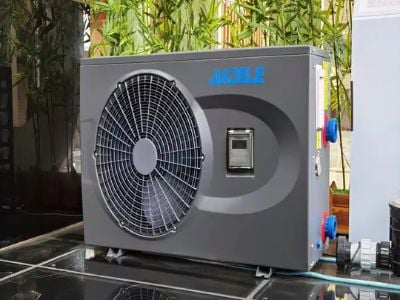
Selecting the right heat pump for HVAC projects is crucial for maximizing energy efficiency and ensuring optimal performance. Given the range of options available, B2B buyers—including purchasing managers, engineers, and project managers—often face challenges in identifying the most suitable model for their specific application. This article will guide you through the essential considerations for selecting the best heat pump, focusing on key specifications, supplier reliability, and quality control measures.
How to Choose the Right Heat Pump for Your HVAC Project
Choosing the correct heat pump involves evaluating several critical factors that affect performance and efficiency. Start by assessing the specific heating and cooling demands of the space. Consider the size of the area, the insulation quality, and the climate conditions, as these will dictate the required capacity of the heat pump.
Another important aspect is the type of heat pump—air source, ground source, or water source. Each type has its advantages depending on the installation environment and energy efficiency goals. For example, air source heat pumps are generally more cost-effective and easier to install, while ground source heat pumps offer higher efficiency but require more extensive ground work.
Additionally, verify the energy efficiency ratings, such as the Seasonal Energy Efficiency Ratio (SEER) and Heating Seasonal Performance Factor (HSPF). Higher ratings indicate better efficiency, which translates to lower operational costs over time.
Finally, consider the noise levels and refrigerant type, especially if the unit will be installed in noise-sensitive areas or if environmental regulations require specific refrigerants.
Key Specifications to Evaluate When Selecting Heat Pumps
When selecting a heat pump, several key specifications must be evaluated to ensure it meets your project requirements. Here are the primary specifications to consider:
Capacity: Measured in BTUs (British Thermal Units), this indicates the amount of heating or cooling the unit can provide. It’s essential to match the capacity to the heating and cooling load of the building to avoid inefficiency or inadequate temperature control.
Energy Efficiency Ratings: Look for SEER and HSPF ratings to gauge the unit’s efficiency. A higher SEER rating indicates better energy efficiency for cooling, while a higher HSPF rating reflects better heating efficiency.
Refrigerant Type: The type of refrigerant used can impact efficiency and environmental impact. Modern units typically use R-410A, which is more environmentally friendly compared to older refrigerants.
Operating Temperature Range: Evaluate the temperature range within which the air to water heat pump operates efficiently. This is critical in climates with extreme temperatures.
Airflow and Noise Level: The airflow capacity can affect the performance of the heat pump, and noise levels should be considered for residential installations.
Control Options: Smart controls and programmable thermostats can enhance efficiency and user comfort by allowing for precise temperature management.
Understanding these specifications will help you make an informed decision that aligns with your project's requirements.
Identifying Reliable Heat Pump Suppliers
Finding a reliable supplier is key to ensuring the quality and performance of the heat pumps you choose. Start by researching potential suppliers' credentials. Look for manufacturers with relevant certifications, such as CE and ISO, which indicate adherence to international quality and safety standards.
Evaluate their product range, including the number of models and customization options. A manufacturer like Zhejiang Jiadele Technology Co., Ltd. offers a wide selection of over 120 models, which can cater to various applications, from residential to commercial needs.
Next, assess the supplier’s track record. Look for reviews, testimonials, and case studies that demonstrate their experience and reliability in delivering quality products. Additionally, inquire about their customer service and support capabilities, as effective communication is crucial during the purchasing process.
Finally, consider their manufacturing capabilities. Suppliers with advanced production equipment and quality control measures in place are more likely to deliver consistent and reliable products.
What to Look For
When evaluating heat pump suppliers, several factors should be prioritized:
Quality Assurance: Ensure the supplier has robust quality control measures. This includes regular testing of products during and after production, as well as adherence to international standards.
Customization Options: Depending on your project needs, a supplier that offers customization can be advantageous. This may include modifications in size, capacity, or features to better suit your specific requirements.
Lead Times and Availability: Inquire about the lead times for production and delivery. A reliable supplier should provide clear timelines and have a good inventory management system to ensure timely fulfillment of orders.
Post-sale Support: Consider the level of support offered after the sale. This includes warranty terms, maintenance services, and technical assistance, which can be invaluable during installation and operation.
Pricing Structure: While cost should not be the sole determinant, understanding the pricing structure—including any additional costs for shipping or customization—can help you make a more informed decision.
Quality Control Measures in Heat Pump Manufacturing
Quality control is a critical aspect of heat pump manufacturing that directly impacts performance and reliability. A reputable manufacturer will implement stringent quality control processes throughout the production cycle.
Incoming Material Inspection: Quality begins with sourcing. Raw materials should be inspected for compliance with specifications to ensure they meet necessary standards.
In-Process Testing: Regular testing during production helps identify defects early. This may include checking for proper assembly, operational efficiency, and performance metrics.
Final Product Testing: Before shipment, each unit should undergo thorough testing to verify performance parameters, efficiency ratings, and safety standards. This ensures that only products meeting the high standards expected by the industry are delivered.
Feedback and Continuous Improvement: A commitment to continuous improvement through customer feedback can enhance product quality over time. Manufacturers that actively seek input from users and incorporate it into their processes tend to produce more reliable and efficient products.
Compliance with Regulations: Ensure that the manufacturer complies with local and international regulations, which can include environmental and safety standards. Compliance not only reflects a commitment to quality but also minimizes potential liabilities.
By focusing on these quality control measures, buyers can ensure they select a product that meets their performance expectations and provides long-term reliability.
With the right knowledge and considerations, selecting the best floor heating heat pump for your HVAC project becomes a systematic process, allowing you to make informed decisions that enhance energy efficiency and performance.