
 EN
 AR
 BG
 HR
 CS
 DA
 NL
 FI
 FR
 DE
 EL
 HI
 IT
 JA
 KO
 NO
 PL
 PT
 RO
 RU
 ES
 SV
 ID
 LV
 LT
 SR
 SK
 SL
 UK
 VI
 SQ
 ET
 HU
 TH
 TR
 MS
 HY
 HA
 LO
 MY

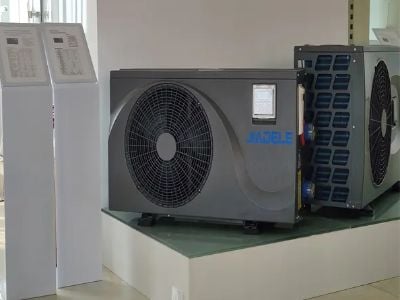
Commercial heat pump systems are an efficient solution for businesses looking to reduce energy costs while enhancing their heating capabilities. By utilizing renewable energy sources, these systems can significantly lower the operational expenses associated with traditional heating methods, we will explore how commercial heat pump systems help reduce energy costs, delve into the specifications of energy-efficient systems, compare them with traditional heating methods, provide installation guidance, and discuss common problems along with effective solutions. This comprehensive understanding will assist purchasing managers, engineers, and product managers in making informed decisions about integrating heat pump technology into their operations.
How Commercial Heat Pump Systems Help Reduce Energy Costs
Commercial heat pump systems work by transferring heat rather than generating it, making them highly energy-efficient. They extract heat from the air, water, or ground, and transfer it to the building, using significantly less energy than traditional heating systems. This process not only cuts down on energy consumption but also reduces greenhouse gas emissions, aligning with sustainability goals.
The financial benefits are compelling. Businesses can experience a reduction in energy bills by as much as 50% compared to conventional heating methods. Moreover, many regions offer incentives or rebates for implementing energy-efficient technologies, further decreasing the overall investment cost. As commercial operations often run for extended hours, the cumulative savings on energy costs can be substantial over time.
Understanding Specifications of Energy-Efficient Heat Pump Systems
When evaluating energy-efficient heat pump systems, several specifications are critical to ensure optimal performance. Key parameters include:
Coefficient of Performance (COP): This measures the efficiency of the heat pump; a higher COP indicates better efficiency. For commercial systems, a COP of 3.0 or higher is generally considered effective, meaning for every unit of electricity consumed, three units of heat are produced.
Heating Capacity: This is measured in kilowatts (kW) and should match the heating demands of the facility. Under-sizing may lead to inadequate heating, while over-sizing can lead to increased operational costs.
Noise Levels: Especially important in commercial settings, noise levels should be evaluated to ensure they meet local regulations and do not disturb occupants.
Operating Temperature Range: Understanding the temperature range in which the heat pump operates efficiently is vital, particularly in regions with extreme weather conditions.
Refrigerant Type: The choice of refrigerant impacts efficiency and environmental sustainability. For instance, R-410A is commonly used due to its efficiency and lower ozone depletion potential.
When selecting a heat pump, it’s essential to consult with manufacturers like Zhejiang Jiadele Technology Co., Ltd., which offers a range of certified products tailored to meet these specifications.
Heat Pumps vs. Traditional Heating Methods
The fundamental difference between heat pumps and traditional heating methods, such as gas or electric boilers, lies in their operational efficiency. Traditional systems typically generate heat by burning fuel or consuming electricity, resulting in higher energy costs and greater carbon emissions.
Heat pumps, in contrast, leverage ambient heat and require less energy for operation. For example, while a traditional electric heater converts electricity directly into heat (often with an efficiency of about 100%), a heat pump can achieve efficiencies exceeding 300%. This means that for every unit of energy consumed, significantly more heat is delivered.
Additionally, heat pumps can also provide cooling in summer, offering year-round functionality that traditional heating systems lack. This dual functionality can lead to further cost savings, as businesses can reduce expenditures on separate heating and cooling systems.
Installation Guidance for Commercial Heat Pump Systems
Installing a commercial heat pump system requires careful planning and consideration. Here are some key guidelines:
Site Assessment: Conduct a thorough assessment of the installation site to determine the best type of air to water heat pump based on available space, environmental conditions, and heating requirements.
Sizing: Properly size the heat pump by calculating the heating load of the building. This often involves conducting a Manual J calculation, which considers factors such as building materials, insulation levels, and occupancy.
Ductwork and Distribution: Ensure existing ductwork (if applicable) is compatible with the heat pump system. Poorly designed or leaky ductwork can negate energy savings.
Electrical Considerations: Verify that the electrical supply meets the heat pump’s requirements and ensure that proper circuit breakers are installed.
Professional Installation: Engage certified technicians for installation to ensure compliance with local codes and manufacturer specifications. A poorly installed system can lead to inefficiencies and void warranties.
By following these guidelines, businesses can ensure that their investment in heat pump technology yields the maximum return in energy savings and operational efficiency.
Common Problems with Heat Pumps and Effective Solutions
While heat pumps are reliable, some common issues can arise, potentially impacting their efficiency:
Insufficient Heating: If the heat pump isn’t providing adequate warmth, it may be due to improper sizing or inadequate insulation in the building. Conducting a thorough inspection and ensuring proper insulation can rectify this issue.
Frost Build-up: In colder climates, frost may accumulate on outdoor units. Most heat pumps come with a defrost cycle, but if frost build-up persists, it could indicate a malfunction or that the unit is improperly sized.
Increased Noise: Unusual noises can indicate mechanical issues. Regular maintenance checks can help identify and resolve noise problems before they escalate.
Refrigerant Leaks: Low refrigerant levels can hinder performance. Regular inspections are necessary to detect leaks early and maintain refrigerant levels.
Control System Issues: Faulty thermostats or control systems can lead to inefficient operation. Ensure that these components are regularly checked and calibrated.
By recognizing these potential issues and addressing them promptly, businesses can maintain their air water heating pump systems effectively, ensuring optimal performance and energy efficiency.
commercial heat pump systems present a significant opportunity for businesses to reduce energy costs while promoting sustainability. By understanding their operational principles, specifications, and installation best practices, purchasing managers and engineers can make informed decisions that lead to long-term benefits.